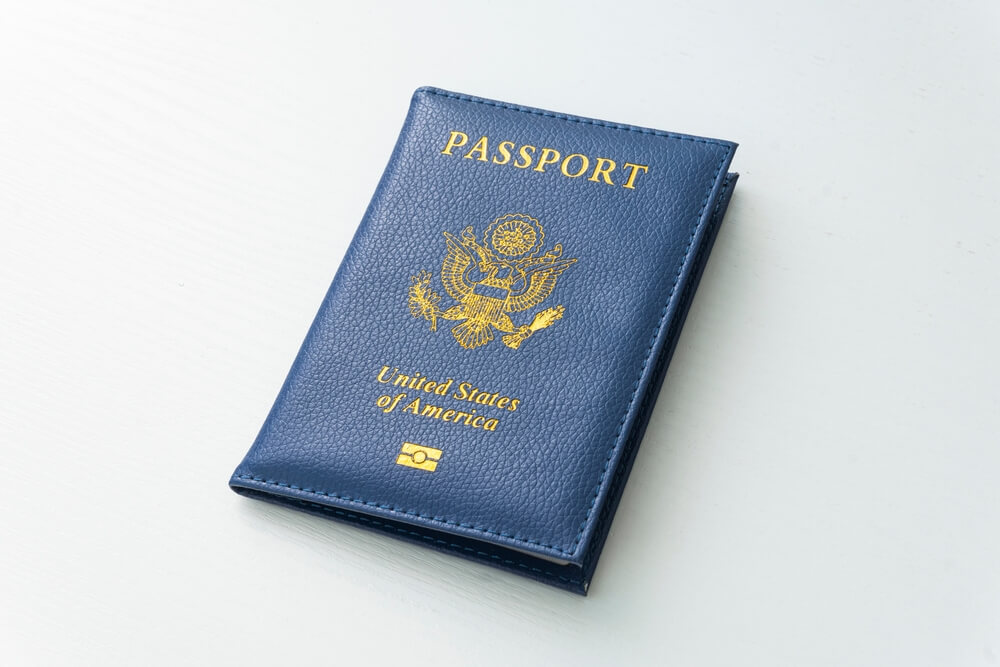
In an ideal world, everyone who applies for a passport would get one. However, that is not the case with U.S. passports. You may have all the required documents and pay the passport application fee only to get rejected. Often, this owes to failure to meet some legal requirements, e.g., people with unpaid child support can face passport denials. And sometimes, it comes down to criminal charges. So, can a felon get a passport?
Can a Felon Get a Passport?
You may have heard of people who have applied for passports and faced rejections because of felonies. At the same time, some felons have gotten passports and visas. This grey area often confuses passport applicants who are unsure of their approval chances. Let’s discuss felonies and their effects on passport applications.
Felonies in the U.S.
Minor crimes, also known as misdemeanors, often do not hinder passport applications. Instead, once you have served your sentence or paid the fine, you can continue life as you did in the past. On the other hand, felonies have repercussions that affect the rest of your life, including passport applications. For example, a convicted felon cannot own a firearm, while someone with a misdemeanor can. But what kinds of felonies exist in the U.S.?
- Drug Crimes: Being in possession, making, trafficking, or using illegal drugs qualifies as a felony. Moreover, misusing prescription drugs has the same classification.
- Driving Under the Influence: Did you know that DUIs are felonies? Often, drunk driving is the most common felony in this category. If you are under the influence of alcohol, the felony charges are less than if you are under the influence of illegal drugs.
- Property Destruction: Such crimes include stealing or destroying someone’s property, e.g., arson. Larceny theft also falls in this category.
- Assault: Causing bodily harm or threatening someone with violence can result in a felony conviction.
- Violent Crimes: Anyone convicted of violent crimes like rape, sexual assault, and murder is subject to heavy felony charges as these are some of the most discouraged crimes due to their societal effects.
- Disorderly Conduct: Causing public commotion or interfering with other people’s rights can be grounds for a felony, e.g., fighting in public.
- Violating Liquor Laws: People operating liquor businesses must have the proper licenses, adhere to opening hours, and only serve people who meet the age requirements. Failure to do this results in felony charges.
- Fraud: Engaging in fraudulent behaviors can result in a felony conviction. The degree of the charges depends on the effects of the fraudulent activities, with some classifying as Class B felonies.
Felonies feature ratings from Class E to A. Class E has the lowest imprisonment and penalty charges, often one to five years, while class A felonies can result in a life in prison or a death penalty. As such, while they are all serious crimes, the severity of the charges determines your passport application.
Can you get a passport with a felony? The good news is that most felons can get passports and will not face any challenges during their applications. However, the passport restrictions for felons depend on various factors as follows:
- Were the charges dropped? If yes, you can qualify for a passport.
- Are you legally free? Your chances of getting a passport are high.
- Have you completed your sentence or met your penalty requirements? You may have a good chance of getting a passport.
As such, while you may have faced criminal charges in the past, you can still get a passport. But as we mentioned, this is a grey area as not all felonies allow you to get a passport.
Other Passport Disqualification Grounds
When applying for a passport for felons, there are many other factors (besides the felony) that affect the outcome, as follows:
- You owe more than $2,500 in unpaid child support: The child support agency will list your name among the defaulters, barring you from successful passport applications,
- You owe more than $50,000 in federal loans or tax debt: You will automatically be on the passport denial list unless you work out a payment plan with the government,
- You are awaiting trial, on probation, or parole: While you might not be in jail, these conditions restrict your movement outside the U.S. and the state where you have committed the crime.
- You are facing a valid, unsealed warrant.
Additionally, if any of the above apply to you, leaving the country is impossible as your passport will be flagged.
What Felonies Disqualify You From Getting a Passport?
Can a convicted felon get a passport? Felonies are different; some carry higher penalties even after serving your sentence. What felonies disqualify you from getting a passport?
- Kidnapping or human trafficking,
- Drug charges, including trafficking and manufacturing,
- Cybercrimes,
- Animal cruelty,
- Financial fraud,
- Child pornography, and
- Assault or sexual assault.
Anyone accused of the above crimes is considered to have committed a heinous crime and is thus not eligible for a passport. However, you may still be eligible for a passport in some cases. But you should consult your attorney about your chances before making an application.
How Long Before a Felon Can Get a Passport?
Serving your sentence or completing the terms of your penalty often allows you to apply for a passport. But how long after a felony can you get a passport? The answer depends on several factors:
- The felony charges: People charged with heinous crimes, e.g., sexual assault, are not eligible for a passport even after serving their sentences.
- The sentence terms: You can often apply for a passport after you have provided sufficient documentation that proves you no longer have outstanding charges or warrants.
As such, the question of how long before a felon can get a passport has a complex answer. Some can get a passport six months after their sentence, while others must wait at least five years. In some cases, you may not be eligible at all.
Can a Felon Get a Passport To Leave the Country?
Traveling the world is a great way to move past your legal woes. But can a felon get a passport to leave the country? The answer depends on the following:
- The kind of crime committed: If you are guilty of class E felonies, you can likely get a passport. But a class B felon will likely not get a passport.
- If you have served your sentence: Before applying for a passport for felons, you must have fulfilled your conviction requirements, e.g., serving your term or paying the fine.
So, can you get a passport with a felony on your record? If you are guilty of a felony that does not hinder passport applications and have met the legal requirements, you can qualify for a passport.
Can a Non-Violent Felon Get a Passport?
Assault, whether sexual or otherwise, often results in felonies that bar successful passport applications. But can a non-violent felon get a passport? In most cases, the restrictions on a passport for felons apply to violent felons. However, even non-violent crimes like financial fraud can bar you from leaving the country, thus affecting your passport application. As such, even if the crime is not violent but classifies as heinous, your passport chances are slim.
How Can a Felon Get a Passport?
Can a felon get a passport in the U.S.? Yes! Most felons qualify for a passport. So, how can a felon get a passport? Consider the steps below:
1) Fill out the passport application form: The form you fill out depends on the passport application type as follows:
- Form DS-11: This document applies to first-time applicants,
- Form DS-82: If you have held a passport before, you can renew it if you meet the conditions below:
– The passport was issued less than 15 years ago,
– You have the passport,
– The passport is in good condition, i.e., undamaged and unaltered,
– You got the passport when you were at least 16, and
– You have not changed your name or have legal documentation to show the change, e.g., a marriage certificate.
2) Attach proof of U.S. citizenship: First-time applicants can use documents like birth certificates, while passport holders can use their current passports.
3) Include your photo identity: You must present a valid photo ID, e.g., a driver’s license, an expired passport, etc.
4) Present court documents to show you are no longer serving your sentence: You only qualify for a passport for felons if you have met your legal requirements, e.g., completed your prison sentence.
5) Add two recent passport photos: The pictures should comply with the U.S. passport photo guidelines.
6) Verify the documents at a local acceptance agent: This step applies to first-time applicants who must sign the DS-11 form at a local acceptance agency.
7) Pay the passport application fee: The fees vary based on the application, e.g., a new passport versus a passport renewal.
8) Submit your application: Renewals can be done via mail, while new passport applications should be done in person.
Getting a passport for felons is that easy! And with Travel Visa Pro, you can get one in just days, thanks to our expedited passport processing. We also offer consultations to help you determine if you are eligible for a passport.
Can a Felon On Probation Get a Passport?
People on probation enjoy suspended sentences, which might make you think you can leave the country. But can a felon on probation get a passport? Per probation terms, you are still under the jurisdiction of the sentencing judge. As such, while you may not be in prison, you are only free to leave the country once you have finished your probation. But some judges may allow you to apply for a passport, depending on your felony conviction.
Can I Get a Passport On Parole?
Being on parole allows you to leave prison before your court-imposed release date. You are free to be part of the community. However, you are subject to parole conditions, and violating these can result in going back to prison. As such, you might ask, “Can I get a passport on parole?” In most cases, parolees must complete their parole before applying for a passport.
Can a Felon Get a Visa?
Suppose you qualify for a passport. Can a felon get a visa? Visas do not fall under the U.S. government and are subject to foreign rules. So, while the U.S. government may issue you a passport, some countries will not allow you entry. It is thus important to refer to the visa guidelines in your destination to check if felons can gain entry.
Can You Get a Passport If You Have a Felony From 20 Years Ago?
The nature of your felony determines how long you should wait before making a passport application. Can you get a passport if you have a felony from 20 years ago? Yes and no. If your crime was heinous, e.g., murder, you will likely not get a passport even if two decades have passed. But if the felony had a lower charge, you would likely qualify for a passport.
Can a Convicted Felon Get a Passport To Go On a Cruise?
Cruises differ in the ports they access. Some start and stop at U.S. ports, e.g., from mainland U.S. to Alaska. Others start or stop at non-U.S. ports, e.g., mainland U.S. to Mexico. But can a convicted felon get a passport to go on a cruise? Most felons qualify for a passport they can use even for non-U.S. ports. But your entry hinges on the destination country permitting felons to enter.
Can You Get a Passport With an Old Felony?
What if you committed a crime ten years ago? Can you get a passport with an old felony? The degree of the felony affects your eligibility for a passport. For example, someone with a drunk driving DUI will likely get a passport, but someone convicted of child pornography will likely get barred.
Can a Felon Get a Passport In Texas?
States differ in their passport eligibility criteria. So, can a felon get a passport in Texas? Felons who have served their sentences and do not have outstanding warrants qualify for a passport if they were not convicted of felonies like drug trafficking and kidnapping. You need to consult your attorney about the effects of your charges on your travel plans.
Can a Felon Get a Passport In Florida?
Most states allow felons to apply for passports. But can a felon get a passport in Florida? You qualify for one if you meet the conditions below:
- You were not convicted of a heinous crime, e.g., murder,
- You have served your sentence, and
- You do not have outstanding federal warrants.
Note that some felonies will affect your domestic travel plans, too.
Which Countries Prohibit Convicted Felons From Entry?
Can you get a passport if you have a felony? In most cases, yes. But you might not get a visa to these countries:
- Argentina,
- Australia,
- Canada,
- China,
- Cuba,
- India,
- Iran,
- Israel,
- Japan,
- Macau (Province of China),
- New Zealand,
- Taiwan (Province of China), and
- United Kingdom.
Depending on your visa type, other countries may also deny you entry.