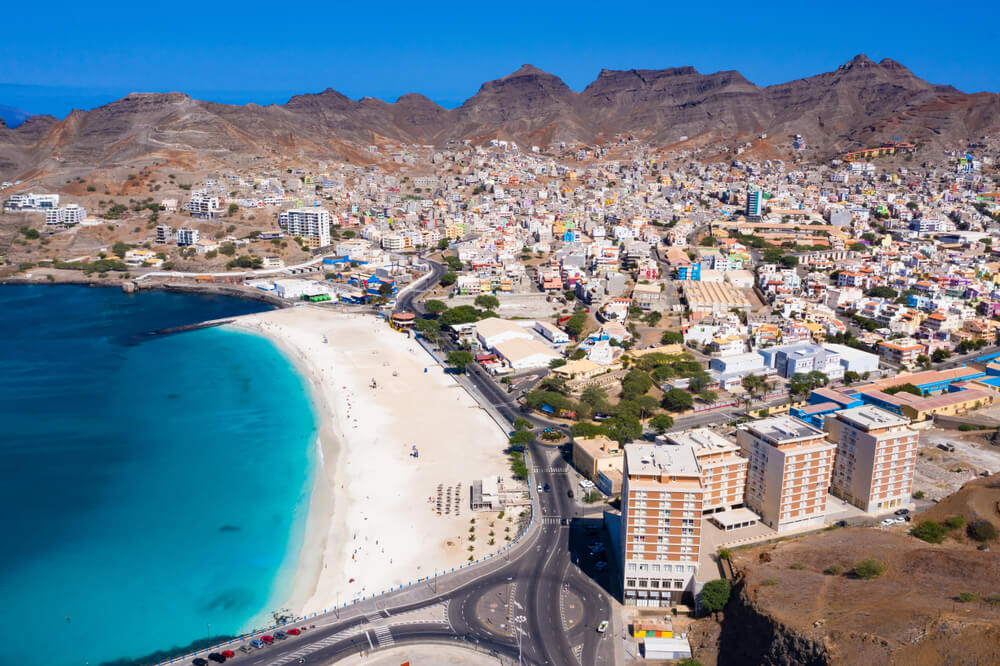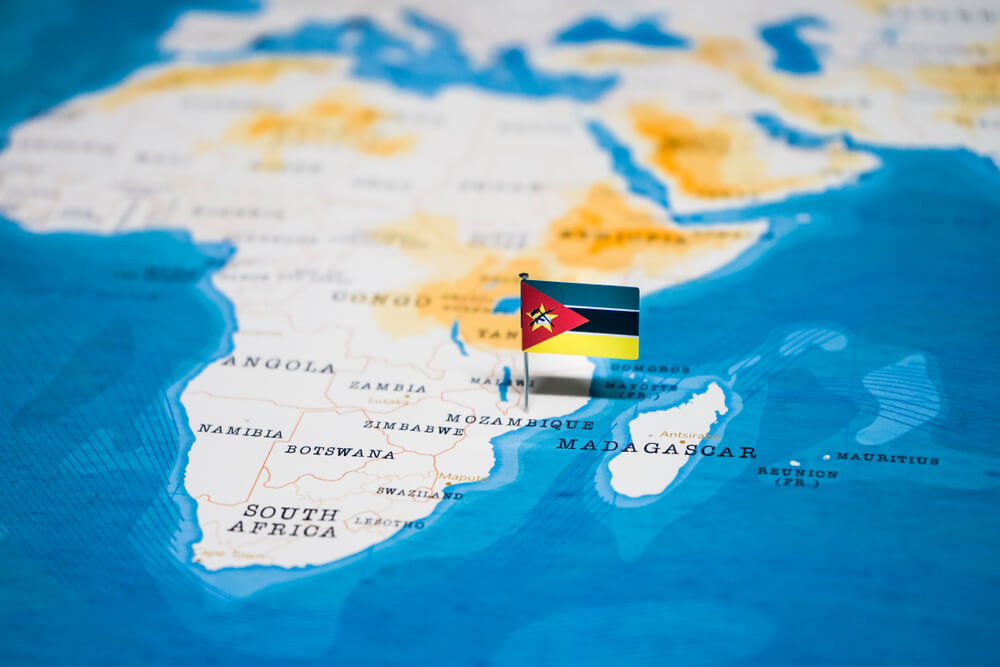
The reefs in Mozambique are not only great for picturesque moments, but they also provide ideal diving sites. And with thousands of kilometers of beaches, there are many sites to find and enjoy. Finding remote yet safe beach spots is easy, enabling you to enjoy some time away from the hustle and bustle of the rest of the world. Mozambique also boasts beautiful cultures, tantalizing foods, a thriving arts and culture industry, and unique wildlife. But do you need a passport to go to Mozambique?
Do You Need a Passport to Go to Mozambique?
The rich history of Mozambique makes it a great choice for anyone who wants to walk down memory lane. But before you gather your books, do you need a passport to go to Mozambique? Yes! All U.S. citizens entering and leaving Mozambique must present passports that meet the criteria below:
- The passport must have at least six months of validity. People with onward tickets must have passports whose validity matches their destination’s requirements. Moreover, people on visa status may require more validity. Immigration officers will consider this when processing your entry. Thus, you should renew any expired passport or any passport with limited validity.
- The passport must have at least two blank pages for the entry and exit stamps. These pages should be completely blank, not including the endorsement pages. Anyone with an onward ticket should also meet the blank page requirements at their destination. You should renew any passport with insufficient pages.
- The passport should be in good condition. Normal wear and tear often exhibits in passports and is acceptable. But significant damage and alteration are not acceptable. So, if your passport has missing pages, tears, or other damage, you should replace it.
- The passport should be valid. The government can invalidate passports, e.g., for people with ongoing criminal cases. Moreover, it also invalidates passports reported lost or stolen. So, if you have found your passport after reporting it lost or stolen, you should still get a new passport.
Do you need a passport to go to Mozambique? Travel Visa Pro offers passport processing for all passport types. And with our expedited options, you can get a new passport in days!
Do You Need a Visa to Go to Mozambique?
Visa requirements for U.S. travelers to Mozambique depend on your travel purpose, duration, and accommodation. Consider the options below:
- No visa required: Tourists and businesspeople can enter Mozambique for up to 90 days without a visa. This 90-day limit is an annual cap that includes all visits. However, your visa requirement depends on where you stay. If you book a hotel or other accommodation, you enter visa-free. But if you stay with a Mozambique resident or citizen, you must get a visitor visa.
- Visa required: Traveling for non-tourist or non-business reasons, staying with a Mozambique resident or citizen, or staying for more than 90 days necessitates a visa. You can get a visa in the categories below:
- Tourist,
- Family reunion,
- Work,
- Business,
- Study, and
- Investment
Residence permits are also available to people seeking long-term stays in the country. Do you need a visa to go to Mozambique? Travel Visa Pro can help you determine the right visa type. We also expedite visa applications and will get you a visa in days!
Can U.S. Citizens Travel to Mozambique?
Mozambique is open to U.S. travelers. However, you must be aware of the following restrictions, which can bar their entry and exit:
- Yellow fever vaccinations: People who have traveled to yellow fever endemic countries must have vaccination certificates. The immigration officials sometimes require that all travelers have a certificate regardless of past destinations. And vaccination at the port will be at your cost.
- Traveling with minors: While Mozambique does not have stringent minor entry regulations, U.S. travelers transiting through South Africa are subject to extra scrutiny. South African child protection policies will apply, and extra documentation will arise.
- Fines and detentions: Traveling without a valid visa results in entry denials. If you overstay your visa, you are subject to a fine for each day you violate the visa policies. And further penalties may apply. Note that the visa validity differs from the authorized duration of stay.
The above restrictions are subject to change, and you should consult immigration officials before you travel.
Mozambique Entry Requirements for U.S. Citizens
Entry requirements differ based on one’s visa status. Consider the options below:
a. No Visa Required
Tourists and businesspeople can enter for up to 90 days a year without a visa if they have the documents below:
- A valid passport with at least six months with two blank pages,
- An onward or return travel ticket,
- Evidence of enough funds to support your stay,
- Proof of accommodation, and
- Documents justifying the visit, e.g., a travel itinerary for tourists and a conference invitation for a businessperson.
Immigration authorities assess the above documents and determine if and how long you can stay in the country.
b. Visa Required
U.S. travelers with visas should present the following documents on arrival:
- A valid passport with at least six months with two blank pages,
- An onward or return travel ticket,
- Evidence of enough funds to support your stay, and
- Proof of accommodation.
Additional documentation is also mandatory when processing your visa, which depends on the visa type. For example, student visa applications require enrolment and educational institution invitation letters. Yet work visas require work contracts and an employer’s business records. Travel Visa Pro can guide you on what to provide for your visa application.
Is It Safe to Travel to Mozambique Right Now?
While Mozambique is safe, some areas are prone to terrorism, violent crimes, and health issues. Thus, you should avoid such areas and instead stick to tourist spots with higher security measures. You should also stay updated on the news, share your itinerary with your loved ones, avoid divulging sensitive details and safeguard your travel documents. Having a contingency plan for emergencies such as illnesses is important.