

Exotic is the word that best describes Fiji, an island that encompasses all you need for a relaxing yet adventure-filled holiday. This South Pacific getaway boasts hundreds of islands, each with secluded beautiful beaches, pristine waters, warm weather, lovely landscapes, incredible jungles and waterfalls, and remote lifestyles. You can slip away from the hustle and bustle of big cities and embrace a life of strolling barefoot, drinking kava, watching cultural dances, kayaking in the sea, enjoying sunset cruises, and taking picturesque photos. This tropical paradise might be what you need for a complete reset. But here is one thing that affects your overall Fiji experience – timing.
Visitors who travel to this island during the wet seasons have a different story to that shared by people who visit it when the sun is high up in the sky. We take you through this country’s climate and how you can use seasons and tourist crowds to determine the best time to visit Fiji:
Climate Overview
One of the main reasons people love Fiji is its warm sub-tropical climate, which is ideal for outdoor activities. Moreover, while some countries have extreme variations in their climate, Fiji boasts a relatively constant climate. The temperatures in the dry and wet seasons have a few degrees Celsius differences. However, the precipitation is quite different, as the wet seasons receive more rainfall – this is especially true in the main island, which sees a lot of rainfall in the wet months. In some cases, tropical cyclones occur, making the wet season unsuitable for some outdoor activities owing to comfort and safety reasons.
When is the best time to go to Fiji? Due to the relatively constant climate, the country boasts two main seasons: dry and wet. The dry months start towards May and last until October, give or take a few weeks. The wet ones begin in November and last till April and witness more downpours, which may be accompanied by cyclones. As a result, most people describe the dry season as the best time to visit Fiji as it allows you to engage in more adventures.

Photo: shutterstock.com
Temperature and Weather Conditions
Precipitation and temperatures affect outdoor activities and are thus important to consider when planning a trip to Fiji. Let’s consider what you can expect in the two seasons:
- The Dry Season: This period is also known as the winter and is known for its cooler temperatures with averages of 23-24°C. July and August witness the lowest temperatures, which can range between 19-24°C. Besides the fall in temperatures, dry months also experience a reduction in rainfall. For example, August averages 58 mm of rainfall and only five rainy days a month. The days in this season are short and sunny with cool evenings.
- The wet season: As the name suggests, this period has the highest rainfall and accounts for most of the downpours in the country. While you would think the high rainfall would lower the temperatures, wet months have the highest temperatures and average 25-26°C, with most days reaching 30°C. Take January as an example. It boasts 299 mm rainfall with an average of 18 rainy days coupled with an average maximum temperature of 31.6°C. The days in this season are long and warm, followed by rainy evenings.
Based on this, when is the best time to go to Fiji? This question is highly relative as the country has a relatively constant climate. For one person, the best month to visit Fiji might be January because of the high temperatures. But for someone who wants to enjoy water activities, the best time to visit Fiji would be the dry season when afternoon downpours are few and far between.
Dry Season (May to October)
This season features short, sunny days and low precipitation, with most months averaging only five rainy days. As a result, it boasts pleasant weather and is the best time to visit Fiji if you want to enjoy the following:
- Watersports: Due to the low precipitation and reduced chance of cyclones, this is the best time to get into the water.
- Hiking: The dry trails and predictable weather make hiking easier.
- Picnics and day tours: The pleasant weather makes it possible to organize outdoor activities such as these.
In addition to these things, most cultural experiences fall within this window.
Practical Advice for the Dry Season Traveler
The low humidity in this season also means you will deal with some pretty cool evenings. Here are some traveling tips:
- Pack enough warm clothes for evenings as the temperatures tend to drop,
- Carry some water-resistant clothes, as rain still pours on some days,
- Pack enough sunscreen as the temperatures average 23-24°C on most days, and
- Stay hydrated – while this is Fiji’s winter, the temperatures are high enough to dehydrate you.
Carrying outdoor gear like boots and jackets is also advisable to help you enjoy your hikes more.
Wet Season (November to April)
Once the rain starts pouring, the temperatures soar in Fiji, resulting in higher humidity. With heavy downpours and long, warm days, this is the best time to visit Fiji if you want to enjoy the following:
- Beautiful landscapes: Now is a great time to explore the flora on the islands as it will be in full swing.
- Bird watching: What better time to track those birds?
- Visit the markets, cathedrals, and galleries,
- Enjoy the hot springs for a spa day.
You can also enjoy watersports in the mornings as rain falls in the evenings most days.
Practical Advice for Wet Season Travelers
Since the wet season has a high chance of tropical storms, it’s best to play it safe by embracing the following tips:
- Follow weather updates for any alerts,
- Embark on hikes or water activities with trusted guides,
- Pack enough sunscreen for the warm weather,
- Hydrate a lot to keep up with the humidity, and
- Carry wet weather clothes.
On the plus side, this might be the best time to visit Fiji, as you will have most places to yourself as most tourists visit during the dry season.
Crowd Levels
The dry season witnesses the highest number of tourists due to its low precipitation and humidity levels. Visiting during this time is best for anyone looking for a vibrant atmosphere and pleasant weather. On the other hand, the wet season sees fewer tourists due to the high humidity and precipitation levels. As a result, you can enjoy more secluded experiences and pay less for flights, accommodation, activities, food, and transport. Thus, the best time to visit Fiji will depend on your preferences.
Special Events and Festivals
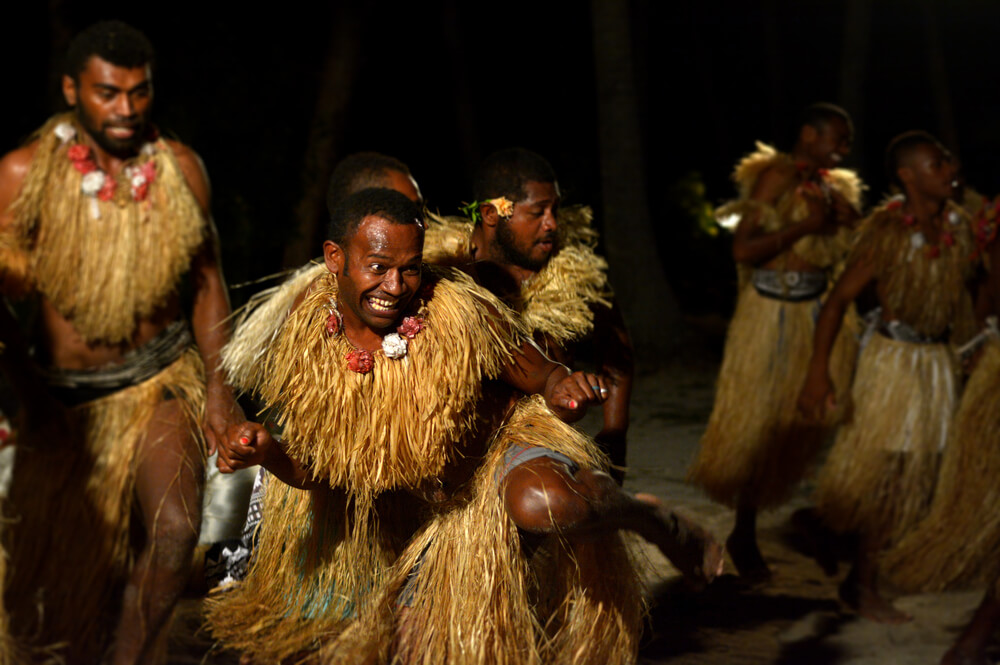
Photo: shutterstock.com
Fiji is known for its unique cultural festivals that pull crowds from far and wide. As such, besides weather and crowds, you should also plan your trip around such events, enabling you to get an authentic Fiji experience. Below are some of the most notable celebrations and when they take place:
- The Bula Festival – July to August
As the year enters its second phase, things heat up in Viti Levu, the main island. This festival introduces Fiji culture to foreigners and is a great way to learn about the islanders. Here, you can enjoy authentic cuisines, unique cultural dances, floats that will wow you, and historical tidbits. Of course, the crowning of “Miss Bula” epitomizes this event.
- The Fire Walking Festival – July to August
If you think you enjoy adrenaline, wait till you see what this festival has in store for you! As the name suggests, participants walk on hot coals. But while this may seem dangerous, only devotees go through the process after meditating and praying about what is to come.
- The Hibiscus Festival – August
For the last five decades, communities have come together to showcase their music, food, sports, dances, and more at this festival. It takes place over nine days on the main island of Viti Levu, allowing you to engage with the local festivities as much as you would like. And the best part? – It also includes a beauty pageant.
Besides these festivals, you may also want to plan your trip around the following events:
- Holi: This festival of colors takes place in March and is one of the most vibrant events on the island. If you have ever wanted to dance in clouds of colored powders, this is your chance.
- Fiji Day: In October, Fijians celebrate their independence day with parades, street parties, dances, and, of course, fantastic food. The event lasts about a week.
- Diwali: Towards November, Fijians come together to celebrate their Indian heritage with this festival of lights. Not only is the setting beautiful, but you also get to be part of the sweet and gift-giving culture.
Attending any of these events will give you a truly immersive Fiji experience you would not have had if you had visited any other time. So, as you think about the best time of year to go to Fiji, think about what unique opportunity it presents.
Travel Documents
As you plan the perfect trip to Fiji, ensuring you have all the documents necessary to enter and leave the country is important. So, what will you need?
A Passport
Fiji’s immigration rules dictate that all US citizens arriving in the country must present a passport that meets the following criteria:
- Validity: Your passport must be valid for at least six months past your intended departure date. So, while your passport may not be expired, it may not be valid for travel to Fiji, thus necessitating passport renewal.
- Pages: You will need at least one blank visa page on your passport if you have a return ticket. However, if you have an onward ticket, you must present a passport with enough pages for Fiji and the next destination. Where your passport is short on pages, you should renew it.
- Physical Condition: Immigration officials understand that passports suffer wear and tear after years of use. But they will not accept damaged or altered passports. You will thus have to replace any passport whose condition exceeds the normal wear and tear threshold.
You must also have the actual passport, as copies are not acceptable. If you need a passport for Fiji, the TVP team will be happy to get you a new one in just days with our expedited passport processing.
A Visa
If you are traveling as a tourist, you will not need a visa for a stay that does not exceed four months. Immigration officials will allow you to enter the country provided you have the following documents:
- A valid passport,
- A return or onward ticket,
- Proof of accommodation, and
- Evidence of enough funds to support your stay.
The officials will determine how long you can stay based on this documentation. If you are not a tourist or want to stay longer than four months, you will need a visa, e.g., traveling for work. Travel Visa Pro handles Fiji visas and can guide you on the best visa for your stay.
Other Travel Documents
The documents below may or may not apply to you, depending on your travel purpose:
- Travel Insurance: Good coverage enables you to cover expenses arising from flight issues, baggage loss or theft, injuries, and illnesses.
- Apostilles: If you will engage in any official business, e.g., getting married, you will need an apostille to verify the integrity of your official documents. This certification is also necessary for most visa types.
- Notarized parental consent: Anyone traveling with a minor and is not their legal parent or guardian should have this document to establish their relationship with the minor to avoid issues at customs.
It’s also advisable to carry secondary identification documents, e.g., driver’s licenses, to help you identify yourself to the nearest US embassy if you lose your passport.
The best time to visit Fiji depends on your activity preferences, how comfortable you are with wet weather, what events you want to attend, and whether you enjoy crowds. Factoring in all these aspects helps you determine what will work best for you, thus enabling you to have a successful trip!

