

An Australian trip makes its way into many people’s bucket lists. After all, it has everything you would need for an adventure-packed trip. Most people make their way around the country to take in the sounds at the Sydney Opera House, watch marine life in the sea, take road trips along the Great Ocean Road, gaze at the natural beauty of the Great Barrier Reef, marvel at the unique mammals in the country, and enjoy hearty cuisines they cannot find back home. And while indulging in these and other activities sounds like a dream, knowing the associated expenses is always good. So, how much does it cost to go to Australia?
How Much Does It Cost to Go to Australia?
Eleven thousand beaches, diverse landscapes, natural wonders, island-hopping, sand islands, incredibly tall waterfalls, and deserts are just the tip of the iceberg for Australian attractions. But before creating your itinerary, how much is a trip to Australia?
The best way to determine the cost to visit Australia is to consider the following main factors:
- Where will you stay? Hotels and hostels charge different rates based on location and amenities. The average 3- or 4-star hotel stay will cost about $100 daily. A hostel will average about $20 a night. Note that short-term rentals are also available, and these can be cheaper.
- What will you do? Most activities cost anything from $10 to $20 per person. However, some activities may cost up to $100 a person, e.g., sailing adventures. We average about $50 daily for activities for a traveler who does not embark on high-adrenaline activities, as these often cost more.
- How will you get from one point to the other? You have several options when traveling through Australia. A common choice is the Greyhound WHIMIT pass. The costs start at $399 for a 15-day pass and increase per your stay such that a 90-day pass will set you back $719. Car rentals start at $20 a day for a standard car and increase based on the type of car, such that luxury cars often cost $40 to $50 a day.
- What and where will you eat? The good news is that eating out is quite affordable in Australia. Average restaurant meals will cost you anything from $10 to $20, while more varied menus can cost as much as $40. If you cook at home, you can spend half this amount on food.
So, how much does it cost to go to Australia? Based on this, we average a daily spend of anything from $100 to $300 for the average traveler. Of course, the above figures are averages, and they can differ based on your location, when you travel (season), and your individual preferences. For example, the cost to visit Australia is higher in the summer due to higher tourist numbers.
How Much Does It Cost to Go to Australia for 2 Weeks?
An ideal Australian itinerary that covers most attractions takes about two weeks. But how much does it cost to go to Australia for 2 weeks? Let’s consider the main expenses:
- Where you stay: Hotel costs average $100 for single occupancy and $150 for double occupancy. Hostels cost about $20 per person. Short-term rentals are also available, costing anything from $50 to $1,000 a night. Owners often stipulate the minimum number of nights you can stay, with longer stays attracting lower nightly rates.
- How you move from one point to another: Transport can cost you anything from $20 to $40 daily, depending on your preferred transport mode.
- What and where you eat: The average restaurant meal costs anything from $10 to $20, which amounts to $30 to $60 daily.
- What you do: Touring different attractions is another significant travel cost. Most people spend about $50 a day on average, which includes admission to attractions, sightseeing tours, and day activities, e.g., hikes.
Is Australia expensive? The average tourist will spend $2,200 for a two-week stay. Of course, the cost to visit Australia ranges such that a budget traveler can spend as low as $900, while a luxury traveler can spend as much as $6,500.
1 Week Trip to Australia Cost
What if you can only tour Australia for a week? Here is the average 1 week trip to Australia cost:
- Accommodation: A single occupant would spend $100 nightly in a hotel, while a couple would spend $150. Hostels charge about $20 a room, and short-term rentals average $50 to $1,000 nightly.
- Food: A meal costs anything from $10 to $20 in a restaurant, though you can spend less by eating fast foods or cooking at home.
- Transport: Car hires cost anything from $20 daily, a taxi costs about $40 a day, and a public pass costs $399 per 15 days, which is $30 a day.
- Activities: Tours and admissions average $50 per person daily.
Averaging all these, the average cost of a trip to Australia for one week is $1,050. Budget travelers can spend as low as $500, while luxury travelers can spend as much as $3,000 for seven days.
Flights and Transportation
Besides accommodation, food, transport, and activities, tourists must also consider the costs of flying in and out of Australia. So, what are the figures? Let’s consider different Australian destinations and US departure points:
1) Melbourne: The average cost to fly to Melbourne is as follows:
- Los Angeles: $1,600
- San Francisco: $2,100
- Dallas, Texas: $2,500
2) Sydney: Average prices are:
- Los Angeles: $1,200
- San Francisco: $1,800
- Dallas, Texas: $2,700
3) Brisbane: Travelers can expect to pay the following averages:
- Los Angeles: $1,600
- San Francisco: $1,600
- Dallas, Texas: $2,000
These flights average 30 to 50 hours, depending on the number of stops. Direct flights are much faster and can take 3 to 5 hours. The best way to determine your flight cost and time is to search for flights during your preferred travel window and see what is available.
How to save money on flights?
Flight prices often account for a huge chunk of the total trip to Australia cost. For example, an average traveler spending $1,000 for a 1-week trip might spend another $1,000 on flights. How can you reduce your trip to Australia cost?
- Travel during the low season: Instead of booking a flight during peak times like the summer, travel in seasons with fewer tourists. Not only will you spend less on flights, but you can also save money on accommodation, tours, and private transport.
- Book your seat early: Airlines use dynamic pricing, increasing prices closer to the travel date. You can get an early bird discount by booking a seat months before you travel.
- Use airline offers: Many airlines offer codes that travelers can use to offset some of their ticket fees. You can be on the lookout for these by signing up for email marketing ads.
- Cash in on your points: Frequent flier miles can help you travel more for less.
It also helps to compare travel times and airlines to ensure you get the best possible rates.
Accommodation
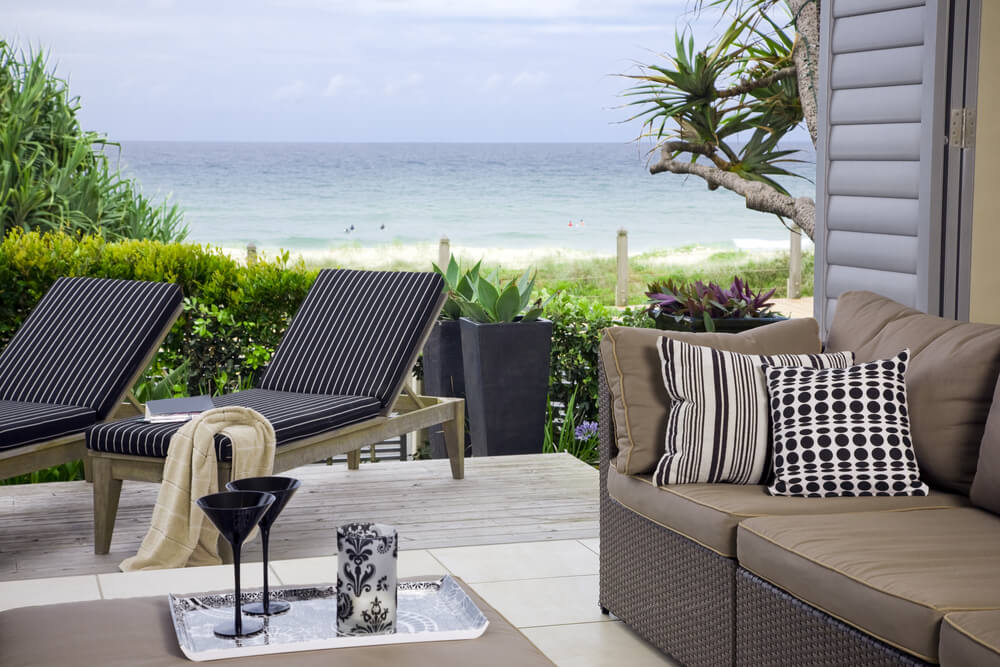
Photo: shutterstock.com
Australia offers various accommodation options, from five-star hotels to hostels and short-term rentals. The difference lies in the amenities and the pricing. So, how much can you expect to spend on each? Let’s consider the averages:
- 5* hotels: $200 a night per person and $300 a night per couple
- 4* hotels: $100 a night per person and $150 a night per couple
- 3* hotels: $70 a night per person and $100 a night per couple.
- Hostels: $20 a night per person.
- Short-term rentals: $50 to $1,000 a night, depending on the contract length.
Your choice depends on your budget and preferences.
How to Find Budget-Friendly Accommodation?
Budget travelers spend as little as $20 daily on accommodation. How can you achieve the same?
- Travel in the low season: Like flights, accommodation prices also increase during peak travel seasons. You can avoid these hikes by traveling in the low-traffic months.
- Use booking sites for deals: Most hotel and hostel booking sites offer discounts to help you pay as much as half of the listed prices.
- Book accommodation early: The closer you are to your travel date, the more you will pay.
- Choose long-term contracts: Most places will give you a deal if you stay long. e.g., 90 days.
You can also opt to share your room or house with a friend to reduce your trip to Australia cost further.
Travel Documents

Photo: shutterstock.com
You must present several documents at the airport to get past customs and board the flight to Australia. Besides flight tickets, below are the documents you will need:
- A passport: US citizens must present a valid passport with at least one blank visa page. It should also be in good condition and valid for the duration of your stay. If your passport does not meet these criteria, you should have it renewed or replaced with a new one. Travel Visa Pro handles passport processing and offers expedited timelines to help you get your passport in days. The total passport cost depends on your chosen timeline when placing an order.
- An entry permit: You should enter Australia with an electronic travel authority(ETA) or a visa. The ETA applies to tourist or business visits for 90 days, while a visa applies to other travel reasons or durations. Travel Visa Pro can help you determine the right visa for your stay to help you get through customs. The costs depend on the type of visa and your preferred processing time.
Besides the above documents, you may also want to consider the following:
- Travel insurance: Baggage loss, accidents, scams, and theft are some of the issues you may encounter during your trip. Travel insurance helps indemnify you in these cases and offers you peace of mind during your stay. On average, travel insurance costs 5% to 15% of your total trip costs. However, you can always determine what insurance you need based on your needs.
- Apostilles: If you’re getting married or engaging in any official business in Australia, you will require apostilles to verify the integrity of your official documents. The cost of apostilles depends on the type of document and the timeline during which you need it. Travel Visa Pro offers nationwide apostille services and can get you one within days.
Currently, there are no vaccination requirements in Australia, and such documentation is thus not necessary.
Food and Dining
Eating out is quite affordable in Australia, as most restaurants charge $10 to $20 for an average meal. Breakfast is usually cheaper than lunch and dinner, with most options costing less than $10. Of course, there are several ways you can save money on food:
- Avoid sit-down dinners and instead opt for street food: Fine dining comes at an extra charge, and you could pay up to $40 per person per meal.
- Embrace fast foods: You can enjoy pizzas, burgers, and other such foods for much less than $10, enabling you to eat more for less.
- Cook at home: If you are staying in a short-term rental, you can make your own food, which saves you a lot of money.
- Don’t buy water in hotels: You can save a lot of money by getting water from stores instead of paying double or more at restaurants.
Consider paying for BB and FB options in your hotel if these are much cheaper than eating out.
Activities and Attractions
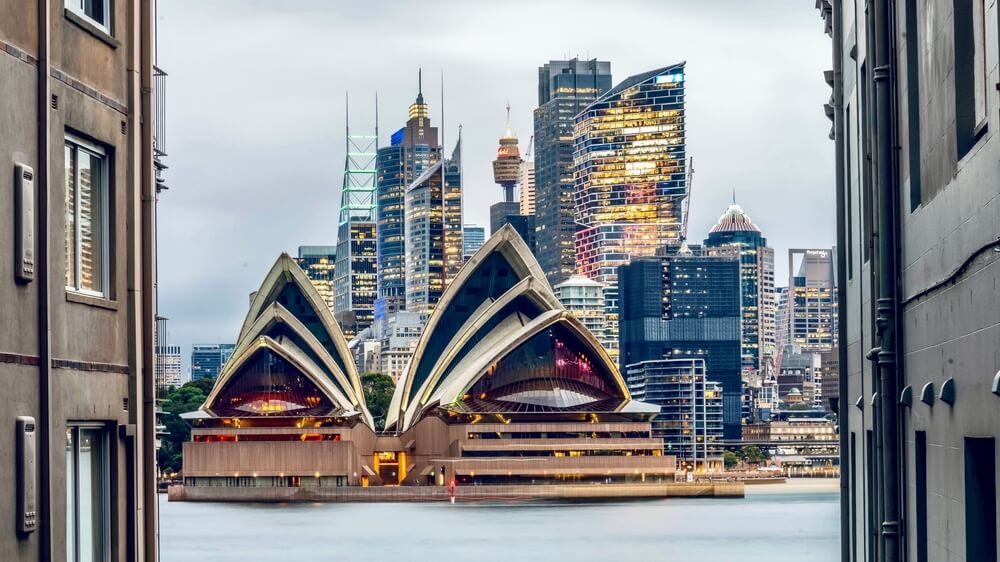
Photo: shutterstock.com
Tourist attractions incur different costs based on popularity and accessibility. Consider some of the popular options below and their costs:
- Cruising to the Great Barrier Reef from Cairns: $60
- A walking tour of Sydney: $10 for a group and up to $60 for a private tour
- A trip to Ayers Rock: $50 if you are part of a group
- Surfing lessons: $50 per lesson
- Hunting safaris: Up to $3,000 per tour
Luckily, Australia has so many free and cheap attractions which can enable you to have a fantastic trip no matter your budget. Consider the following:
- Touring the Sydney Harbor: Free
- Visiting the Sydney Opera House: Tickets start at $30
- Bus tours: From $30 per person
- Sunset cruises: From $20 per person
- Natural hiking trails: Free without a guide
- Spending a day at the beach: Free
- Visiting most museums, e.g., Powerhouse Museum: From $10 per person
- Touring wineries: From $10 per person
These are just a fraction of things to do in Australia, proving that you can have fun even without spending a dollar!
Local Transportation
There are many ways to move around in Australia, including taxis and public buses. Consider your options below:
- Taxis: You will spend about $40 a day on rides, more than what you would pay for public transport.
- Public buses: The 15-day pass costs $399 per person, about $30 daily.
- Rental cars: Rates start at $20 per day for standard cars and increase per the vehicle’s features.
How to Save Money on Local Transportation?
You can spend less than average on transport by following the tips below:
- Walk where possible, e.g., in cities,
- Embrace ride shares and carpools,
- Use public transport where possible, and
- Travel in the low season, where rental prices and taxi fares are affordable.
You can also spend less by touring one city at a time to avoid long commutes.
Miscellaneous Expenses
Extra expenses such as SIM cards, tips, soft drinks, internet, and unforeseen costs can also affect your total trip to Australia cost. Consider the following:
- Tips: These amount to 5% to 15% of your total spending,
- Drinks: Soft and alcoholic drinks cost about $15 a day,
- SIM cards: About $1 a day. WIFI is usually free.
If you want to buy souvenirs such as emu oil and macadamia nuts, here are some ways to spend less on these items:
- Shop around for prices and options to ensure you know what is available,
- Go shopping with a local to avoid paying more than the market rate,
- Leave shopping until the end of your trip to avoid buying things and regretting the purchases when you see other options, and
- Avoid buying things in tourist shops.
Also, look for unique items you cannot find back home to get value for your money.
Cheapest Time to Go to Australia
Flight, accommodation, and activity costs vary based on the time of year. The low season between June and August is the cheapest time to go to Australia. You can get good offers during this window as most tour operators and hotels will have low traffic.
Australia is a diverse continent that allows you to enjoy the best of several worlds in one place. But to have a good time, it is best to have a solid budget that accounts for flight, accommodation, transport, documents, food, activity, and miscellaneous costs. These vary based on the travel season, how long you stay, and your individual preferences. With these figures down to an art, you can avoid surprises and instead focus on making memories in this country cum continent.

