

World heritage sites, unique foods, castles, Buddhist temples, breathtaking landscapes, friendly people, pop culture, and cultural festivals are the top reasons people visit Japan. Add its adventures and friendly people, and tourists cannot get enough of this country that also takes spring blossoms to the next level. Like many tourists, you may be after an experience that helps you immerse yourself in these adventures. But before doing so, knowing how much you will spend on such an itinerary is always good. So, how much does it cost to go to Japan?
How Much Does It Cost to Go to Japan?
Most tourists in Japan stop at its castles, gardens, and temples for photo ops and historical facts. But how much does this experience cost? How much does it cost to go to Japan?
To answer this question, we must look at all the expenses you will incur during your trip. We break these down into two: the pre-Japan costs and what you will spend once you have arrived. Consider the categories as follows:
Pre-Japan Costs
Before arriving in Japan, you will need to make the following arrangements that will add to your overall cost to visit Japan:
- Flights: Most people spend anything from $1,000 to $1,500 on round flight tickets. However, this amount depends on when you travel, where you depart from, where you land in Japan, and the airline you use.
- Travel documents: US citizens traveling to Japan must have valid passports. Visas are also necessary for non-tourist stays. Processing these documents incurs charges based on the processing timelines, government fees, and supporting documentation.
- Travel insurance: You can expect to pay anything from 5% to 15% of your total trip costs in insurance.
Apostilles may also be necessary for travelers on official business, e.g., people getting married in Japan.
Costs During Your Stay
While flights and documentation account for a big part of your spending, the categories below also add to the final cost. We have broken them down into what you can spend each day, giving you an idea of the total amount:
- Accommodation: Hostels average $15 to $50 a night, hotels cost anything from $100 to $400 a night, and short-term rentals cost about $25 to $80 per night.
- Food: Tourists can enjoy various food and dining options, from cooking at home to eating at mid-range restaurants. The costs range from $2 to $30 a meal, bringing the daily average to about $30 for people eating at local restaurants.
- Activities: The average tourist spends about $50 to $100 a day on guide-led activities.
- Transport: Private options average $40 a day, while public transport averages $20 a day.
- Miscellaneous Expenses: Most tourists spend about $20 to $50 a day on other arising costs, including drinks, communication, and souvenirs.
So, how much is a trip to Japan? The actual expenses may differ from what’s above based on location, season and individual preferences.
How Much Does It Cost to Go to Japan for 2 Weeks?
With the daily trip to Japan cost out of the way, calculating the cost of your stay is easy. So, how much does it cost to go to Japan for 2 weeks?
- Budget trip: $1,200
- Average trip: $1,800
- Luxury trip: $4,500
1 Week Trip to Japan Cost
What if you stay in Japan for one week? Let us break down the 1 week trip to Japan cost:
- Budget trip: $600
- Average trip: $900
- Luxury trip: $2,200
This trip to Japan cost does not include pre-Japan expenses.
Flights and Transportation
Your flight will account for a big part of your trip to Japan cost. Consider the options below for round flights between the US and Japan from different locations:
- Los Angeles to Tokyo costs anything from $400 to $1,000 for a 12-hour flight on average,
- Chicago to Tokyo costs $1,000 to $1,500 for an 18-hour flight on average,
- New York to Tokyo costs about $1,200 to $1,600 for a 24-hour flight on average.
Let’s use a different destination for context:
- Los Angeles to Osaka costs anything from $800 to $1,300 for a 19-hour flight on average,
- Chicago to Osaka costs $1,200 to $1,800 for a 24-hour flight on average,
- New York to Osaka costs about $1,200 to $1,600 for a 24-hour flight on average.
The flight prices and durations depend on your destination, departure airport, airlines, stops, and travel season.
How to save money on flights?
The average flight to Japan costs anything from $1,000 to $1,500. Luckily, you can spend below this range by using the tips below:
- Book your flight months in advance: Airlines use surge pricing and thus increase their prices closer to the departure dates.
- Shop for price comparisons: Look at what other airlines charge before booking any flight.
- Use discounts: Look for airline discount codes and discounts; you could spend less than a third of the stated prices.
- Travel during the low season: Avoid surge pricing by choosing periods with less traffic.
You can also book flights that leave early in the morning or late at night during weekdays as these have lower demand and thus are cheaper.
Accommodation
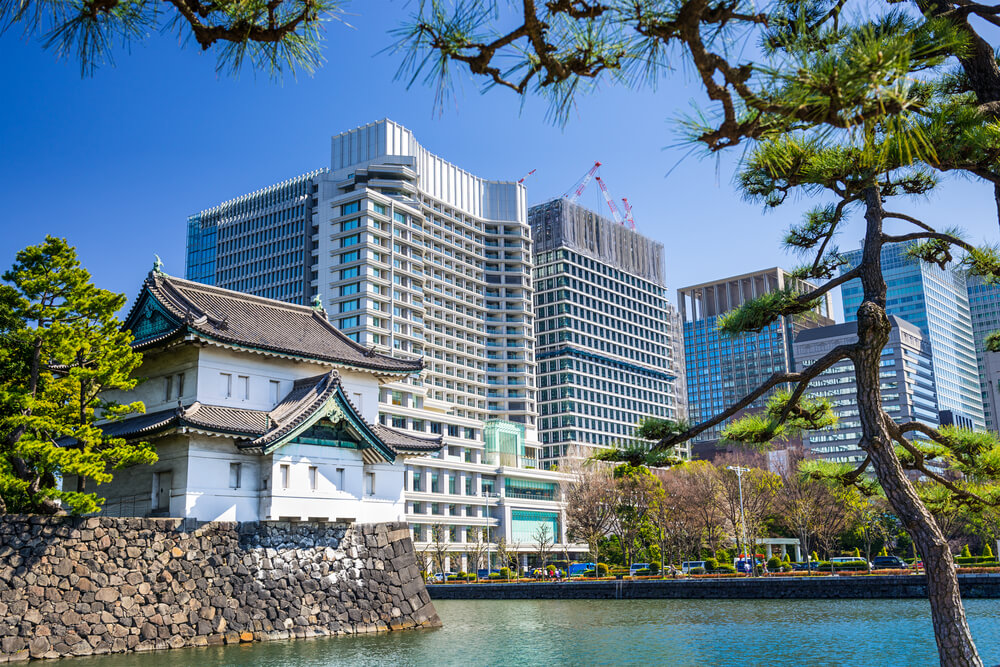
Photo: shutterstock.com
Tourists often spend a lot of money on accommodation when visiting different countries. Is Japan expensive when it comes to accommodation? Consider your options below:
- Hotels: 3* hotels charge about $100 a night, 4* hotels average $200 a night, and 5* hotels can charge up to $400. Of course, as you travel further from the cities, the nightly rates reduce.
- Hostels: Nightly rates vary from $15 to $50 in cities.
- Short-term rentals: Furnished apartments average $25 to $80 a night, with rates reducing the longer you stay.
Most tourists stay in hotels, bringing the average nightly cost to $100, though it can be much cheaper.
Tips on finding budget-friendly places to stay
While accommodation costs in Japan are relatively low compared to most tourist regions, you can always cut back on your trip to Japan cost by using the tips below:
- Travel in the low season: When hotels, hostels, and rentals have high demand, they increase their prices to make the most out of the traffic. You can pay much less by traveling when the demand is low.
- Try alternative living options: Instead of staying at a hotel, you can enjoy hostel living or book a short-term rental to save money.
- Stay away from the city: The closer you are to the main cities, the more you pay.
You can also book a longer stay in one place, allowing you to discuss potential discounts for extended occupancy.
Travel Documents

Photo: shutterstock.com
Focusing on flights and accommodation when calculating the cost to visit Japan is the norm. But have you secured the correct travel documents? Consider the following:
- Passport: You must have a valid passport with at least one blank visa page. It must be valid for the duration of your stay and should be in good condition. You should get a new passport if your current one does not meet these criteria or you don’t have one. The costs will depend on government fees, additional documentation (e.g., passport photos), and your chosen processing timeline. The Travel Visa Pro website helps you calculate what you will pay based on your preferred timeline, which can be days or weeks.
- Visa: Tourists don’t need visas. However, non-tourist visitors should process the relevant visa to get through customs. Travel Visa Pro handles Japan visa processes and can help you get one in days. The total costs depend on your chosen timeline, as our expedited processing enables you to get a visa within days to weeks.
- Travel insurance: This document is not necessary at customs. However, insuring your trip against unforeseen events such as baggage loss and sickness is always a good idea. Most travel insurance companies charge anything from 5% to 15% of the total trip costs.
If you will engage in official business in Japan, you will also need an apostille to verify the integrity of your documents. The costs of getting one depend on the document type and how soon you need the apostille. The TVP team can walk you through these costs in detail.
Food and Dining
Culinary experiences rank high among the reasons to visit Japan. After all, the chance to eat authentic sushi, sashimi, donburi, tempura, and ramen is one that most people would not forego. But will this affect your trip to Japan cost by a great deal? Let’s consider your food and dining options:
- Local restaurants: Meals range from $5 to $10 per person, allowing you to spend anything from $15 to $30 daily.
- Mid-range restaurants: The average meal costs $20 to $30, which can accrue to $60 to $90 daily.
- Fast-food restaurants: Combo meals cost about $4 to $8 per person, which comes to $12 to $24 a day.
- Street food: Food can cost between $2 to $10 per person, with most options costing about $5 or less.
- Cooking at home: People in short-term rentals can choose this option, which reduces food prices to about $5 per meal per person.
Japan has many cheap food options, which brings the daily food and dining cost to about $30 a day for people eating at restaurants. Those enjoying street food and home-cooked meals have lower averages.
How to save money on food?
While eating out in Japan is quite affordable, the costs can rack up fast, amounting to hundreds of dollars. Here are ways to stay full while reducing your spending:
- Embrace street food and local restaurants: Tourist restaurants will charge you tourist prices for the same foods you can eat on the street or local restaurants. You can pursue these options instead.
- Cook at home: If you want to save money while exercising control over the ingredients in your food, you can buy groceries and cook at home.
- Combine meal options: Eating out at fancy restaurants can quickly result in a lot of spending. You can mix your options, e.g., breakfast at a local restaurant, lunch at a fast food restaurant, and dinner at a sit-down restaurant.
Buying snacks from the store is another way to deal with hunger pangs without eating at restaurants. For example, you can snack on a sandwich during tours and then eat at a restaurant later in the day.
Activities and Attractions
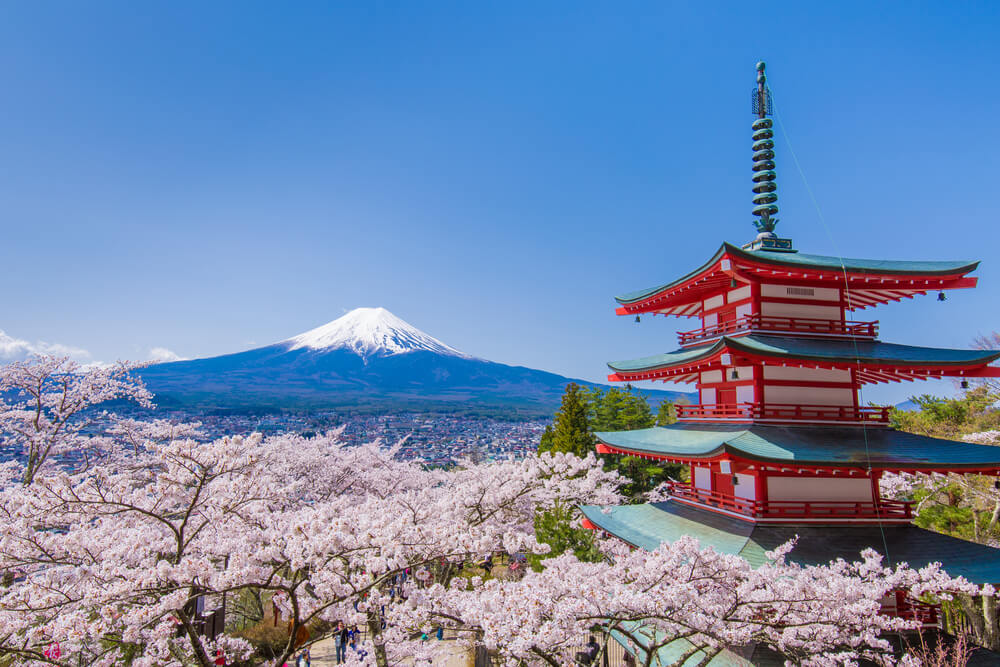
Photo: shutterstock.com
There is a lot to do and see in Japan. But how much will visiting these attractions cost? We break down the most popular attractions and their fees:
- Hiroshima bus tours: The costs start at $200 for a 12-hour tour,
- Walking and sightseeing tours: These range from $50 to $100 per adult,
- Sushi-making experiences: These average $50 to $100 per person,
- City night tours: These start at $100 per adult and allow you to indulge in street food and bar experiences with locals, and
- Himeji tours: Costs start at $200 per person for an 8-hour tour to Himeji Castle and other highlights.
Shrine tours and cooking classes are available in most tours and account for most tourist traffic.
Free or low-cost experiences for budget-conscious travelers
Travelers can still enjoy a lot in Japan without spending much money. Consider the following affordable and free options:
- Tour the Fushimi Inari-taisha Shrine,
- Visit the Senso-ji Temple for a spiritual experience,
- Take a walk in Nara Park with deer,
- Go see the Atomic Bomb Dome, and
- Take a tour of the Yokohama Kirin Beer Factory.
Street food experiences and market tours are also relatively cheap, enabling you to enjoy a lot more for less. You can spend even less than $50 a day on these visits.
Local Transportation
You will need to figure out the best way to move around Japan based on your travel needs and budget. Consider the options available:
- The Rail Pass: This ticket allows you to board nationwide trains and the Hiroshima-Miyajima ferry. The rates depend on the number of days, with 7 days costing $350 per person.
- Rental cars: Another option is to hire a car, allowing you to travel conveniently. A standard car costs about $40 daily, about $280 weekly.
- Taxis: Drivers charge passengers based on time and distance, with an hour’s ride amounting to $20 to $40.
- Subway: Tickets start at about $6.50 per adult every 24 hours.
- Cycling: Bicycles for hire are available starting from $6.50 per bike daily.
With these many options, you will easily navigate the country.
How to Save Money on Local Transportation?
Saving money when traveling helps you explore more activities. So, how can you do this?
- Cycle within cities: Instead of getting a taxi or driving a car, you can cycle, thus saving money and spending less time commuting.
- Use subways when possible: The savings from using the subway system are so huge that you can use less than half your transport budget in Japan.
- Share cars: You can opt to share taxis, rental cars, and other means to reduce your overall costs. Of course, this usually works better with family and friends.
Walking in walkable areas also helps as you can enjoy more sightseeing while saving some bucks!
Miscellaneous Expenses
No matter how strict your budget is, you will likely encounter other costs that affect your overall cost to visit Japan. Consider the following categories:
- Communication: SIM cards cost about $12 in Japan and come with data plans. You can also use your international phone provider and get a custom rate which will likely be about $100 a month.
- Drinks: Water, soft drinks, and alcohol average about $10 to $30 a day.
Tips are generally not expected and are often considered impolite.
Souvenirs. Top Tips for Purchasing Budget-Friendly Souvenirs
Japan has so many unique products that heading home without a souvenir feels foreign. Here is how you can get a good bargain:
- Shop at the local markets instead of tourist shops,
- Get price advice from a local you can trust, and
- Compare different products and prices to know what is available.
Also, shop when you are about to leave as you will have enough time to figure out what to buy and at what price.
Cheapest Time to Go to Japan
Traveling during peak seasons results in higher accommodation, activities, flights, and transport costs. The easiest way to avoid these price increases is to travel when the traffic reduces. So, what is the cheapest time to go to Japan? Winter, which lasts from mid-January to March, has the lowest temperatures and, thus, the least tourist traffic. Bagging discounts during this period is fairly easy.
A trip to Japan is an opportunity to visit some of the most notable UNESCO world heritage sites while taking in beautiful landscapes and enjoying some of the most tantalizing cuisines. But to be part of these and other adventures, you must know the average cost of a trip to Japan and apply this per your preferences. Not only does this make planning easy, but it also equips you with the tools to deal with unforeseen events.

