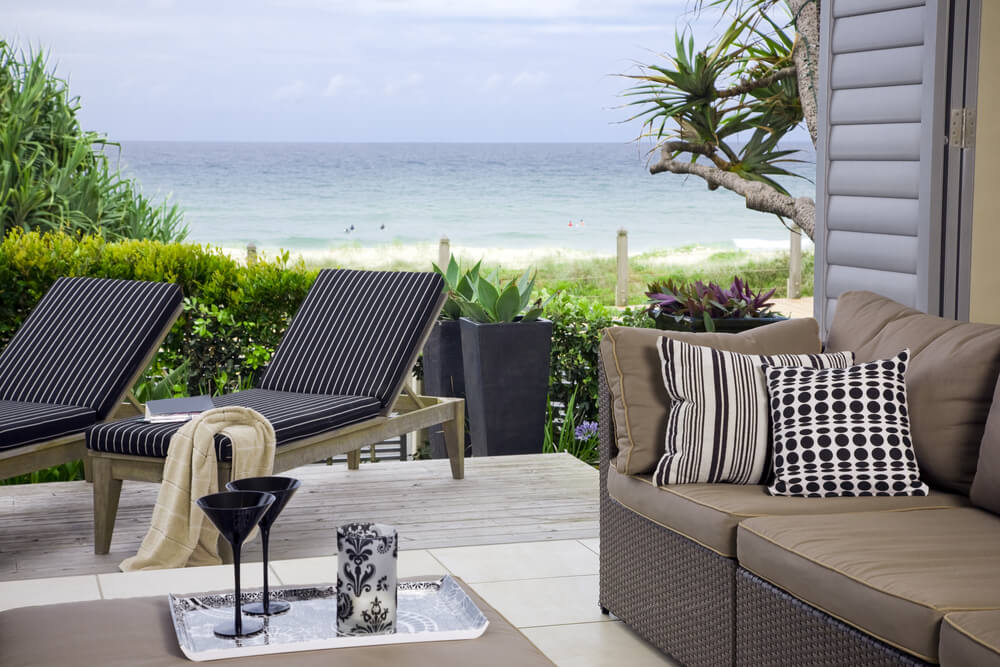
New Zealand Entry Requirements: A Comprehensive Guide

Adventure tourism tops the many reasons people visit New Zealand – people cannot get enough of bungee jumps, ski planes, and jet boats! But besides the adrenaline-rush opportunities, this country is home to many other attractions. These include beautiful landscapes, unique cultural ceremonies, magnificent natural parks, delicious foods, hot springs, lovely mud pools, and friendly people. To be part of these experiences, you must meet all the New Zealand entry requirements. These rules determine the criteria you should meet for your travel purpose, e.g., studying. We explain what the requirements to enter New Zealand entail and how you can meet them for a successful trip:


Visa Requirements

All U.S. citizens traveling to New Zealand must have a valid entry permit. Below are the categories to consider when reviewing New Zealand visa requirements:

  1. Tourist visa or New Zealand Electronic Travel Authority (NZeTA): The NZeTA applies to people traveling to New Zealand for less than 3 months and is available online. People who do not qualify for this permit or need to stay longer should get a tourist visa.
  2. Work visa: This New Zealand visa for U.S citizens applies to people who wish to secure employment in New Zealand, e.g., people who want a skilled migrant category resident visa.
  3. Business visa: People visiting for business purposes, e.g., to set up a business, should get this visa type. Sub-categories include working holidaymaker extensions and diplomatic visas.
  4. Study visa: If you want to embark on research studies or join a school in New Zealand, getting this visa is important.
  5. Visitor visa: US citizens visiting family and friends can get this permit that allows them to remain in the country for a specific period. It also applies to people on medical treatment visits.
  6. Family visa: If you have family living in New Zealand, you can get this permit, allowing you to join them, e.g., a spouse.
  7. Resident visa: This permit applies to people who wish to live in New Zealand and enjoy residency perks, e.g., retirees.

Other visa types include refugee and interim visas. Travel Visa Pro can guide you on the right visa option for your stay.


New Zealand Visa Requirements

The New Zealand visa requirements applicable to you will depend on the purpose of your travel. However, some of the criteria apply to all applicants, as follows:

  • A valid passport,
  • Two passport photos,
  • Proof of sufficient funds to support your stay,
  • Proof of accommodation, and
  • An onward or return travel ticket.

Other requirements that apply to non-tourists include the following:

  • Medical records, and
  • An FBI background check.

Supporting documentation per your visa type is also important. For example, if you want a family visa to join your spouse, you must present your marriage certificate, your spouse’s New Zealand identification documents and address, and other documents as required by the consulate.

Once you have compiled all the requirements, you should present them to the nearest consulate. You can apply for New Zealand visa online at Travel Visa Pro by completing the New Zealand application form. Our team will then guide you on how to provide your documents for review, after which we will expedite the process, enabling you to get a visa in just a few days!


Passport Validity

Besides a visa, you will need a passport when going through customs or boarding a flight. Here are the criteria for acceptable passports:

  1. Your passport must be valid at least three months past your intended departure date: Not only should it be valid upon entry, but its validity should also exceed three months past your planned departure date. Immigration officials will consider this and look at your next destination to ensure you have sufficient validity. Failure to meet this requirement will result in visa denial. The best approach is to renew any expired passport or one close to expiry to avoid getting turned away at customs.
  2. Your passport must have at least one blank visa page: While New Zealand only needs one page, you may need additional pages if you have an onward ticket. Otherwise, customs officials can refuse to stamp your passport as the lack of additional pages will hinder your departure. To avoid such a situation, renew any passport that has limited pages.
  3. Your passport must be in good condition: Immigration officials will not accept a passport that has been damaged or altered, e.g., one with torn pages. If your passport has such damage, you should replace it and get a new one.

Do you need a passport? Travel Visa Pro expedites passports and enables you to get a new passport in just days. Our easy and fast process includes document review services to ensure your application goes through without any hitches. Talk to our team today about getting an acceptable passport for your travel plans.

Get Your Passport Here


Health Requirements and Vaccination

Most countries have strict vaccination requirements for travelers to protect their citizens. But will you encounter such New Zealand entry requirements? We will look at this in two prongs: vaccination and health requirements.


Vaccination Requirements

Presently, the country does not require visitors to present any vaccination certificates. However, it is advisable to get vaccinated against the following diseases:

  • Hepatitis A: If you will be in rural areas or plan to eat street food when traveling, getting this vaccine is a good idea.
  • Hepatitis B: This vaccine is especially important for travelers aged below 60.
  • Measles: People traveling with infants aged 6 to 11 months should get this vaccine in addition to their routine vaccination series.

Additional helpful vaccines include flu, chickenpox, and polio. Talk to your doctor about these before traveling.


Health Requirements

People applying for some long-term visas must provide proof of good health as part of the New Zealand entry requirements. To do this, you will need to undergo a medical examination that proves the following:

  • You are capable of fulfilling your travel purpose, e.g., working,
  • You are not a danger to the New Zealand population, and
  • You will not result in additional costs to the health organizations in New Zealand.

The immigration office will review the results and determine your eligibility for travel. Some people can get a waiver for these New Zealand entry requirements, e.g., people on visitor visas for medical treatment.


COVID-19 Entry Protocols

Many countries, including New Zealand, have imposed COVID-19 entry restrictions for the past few years to prevent this virus from spreading. Are such measures still in effect in New Zealand? Consider the following:

  • Travelers do not need to undergo pre-departure tests regardless of their vaccination status,
  • Travelers do not need proof of COVID-19 vaccination,
  • Travelers do not need to fill out quarantine forms, and
  • Travelers do not need to wear masks or abide by COVID-19 safety protocols.

While New Zealand Covid entry requirements are no longer in place, protecting yourself by maintaining social distance in public settings is always a good idea.


Travel Insurance

You have little control over what happens to you when traveling as you will depend on third parties most of the time. For example, you trust that your flight will depart as planned and you will not face delays or cancellations. You hope that you will be safe during your trip. These are all things that travelers hold dear to their hearts. But since you cannot influence their outcomes, getting good travel insurance is important. A good cover provides the following benefits:

  • It covers your medical expenses, e.g., if you get injured,
  • It insures your luggage and travel documents,
  • It meets your flight amendment, delay, missed connections, and cancellation costs,
  • It gives you an allowance for delayed luggage,
  • It caters to stolen or lost goods expenses,
  • It adds to your rental car insurance, and
  • It provides coverage for instances such as legal expenses, disability, accidental death, loss of income, and armed robbery.

With these and other benefits, traveling with peace of mind becomes much easier. You should also consider whether your coverage includes COVID-19 treatment expenses, as you can fall ill when traveling.


Entry for Business and Work

Business visas last anywhere from 3 to 36 months, while work visas last 6 months to three years. To get these visas, you will need to provide the following New Zealand entry requirements:

  • A valid passport,
  • Two passport photos,
  • Medical records proving good health,
  • An FBI background check,
  • Proof of enough funds to support your stay, and
  • Proof of accommodation.

If you are applying for some work visa categories, e.g., accredited employer work, you must also present the job offer and the employer’s details. Business visa categories include temporary retirement, entrepreneur, global impact, business visitor, and active investor plus. They have differing age and capital investment conditions, which you should consider when applying.


Special Entry Considerations

Some travelers may be subject to additional requirements to enter New Zealand. Consider the following people:

  • Pregnant women: Anyone traveling while pregnant should prove they have sufficient funds to provide for themselves and their unborn child if they want a temporary visa. Moreover, they should check with the airlines they will use, as some airlines will not allow you to fly past the 28th week of gestation.
  • Minors: Entry requirements dictate that children should be with their legal parents or guardians. Where this is not the case, the adult accompanying the child should present notarized travel consent from the minor’s legal parents or guardians.

You may be exempt from some New Zealand entry requirements if you have extenuating circumstances. Travel Visa Pro can review your case and advise you on the best approach.


Documentation and Checklist

Before packing for your New Zealand trip, knowing what documents are essential is important. Below is a checklist you can use as a baseline for New Zealand entry requirements:

  • A valid passport,
  • A relevant visa or NZeTA,
  • Proof of accommodation,
  • Proof of sufficient funds to cover your stay, e.g., a bank statement for the last three months, and
  • An onward or return travel ticket.

Besides the above documents, some travelers may need the following to meet the requirements to enter New Zealand:

  • An FBI background check,
  • A marriage certificate,
  • A birth certificate, and
  • Health records.

Away from immigration documents, you may want to carry the following:

  • An apostille – for official business, and
  • Travel insurance.

Supporting documentation for your visa will depend on your travel reason. For example, student visa applicants must include their acceptance letters in their documentation.

Abiding by New Zealand entry requirements is the only way to get past customs and harness all this country’s opportunities. At a minimum, visitors should have a valid passport, a relevant visa, proof of accommodation, proof of enough funds to support their stay, and a return or onward flight ticket. Additional documents will apply per your travel purpose; contact the TVP team on what to include to get the right visa type.
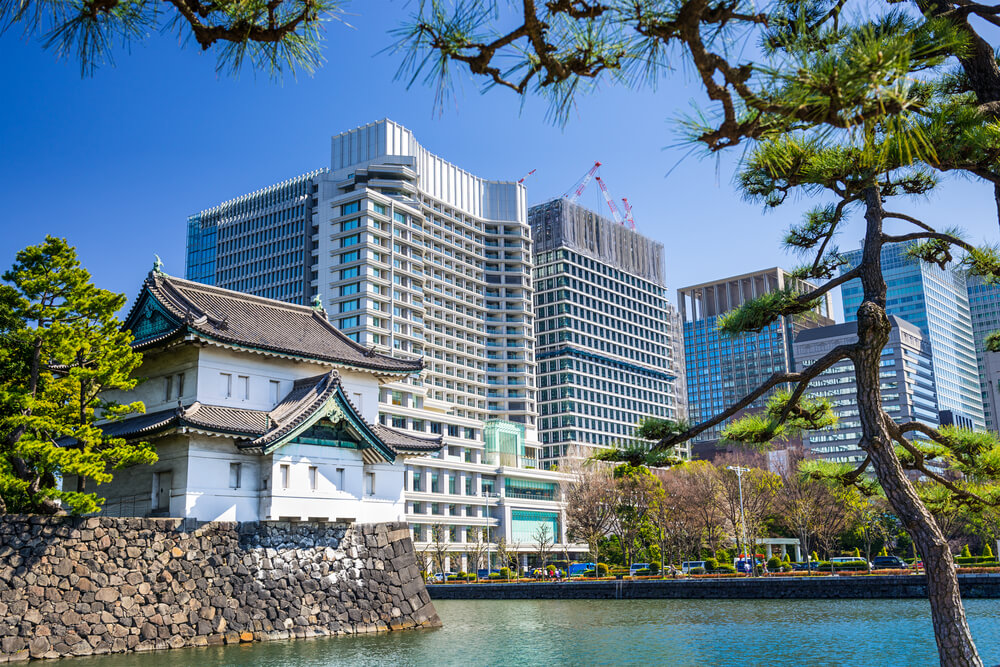
Costa Rica Entry Requirements: A Comprehensive Guide

People who want to get away and enjoy natural biodiversity coupled with unique adventures often travel to Costa Rica. This beautiful country boasts clean beaches, warm weather, tasty foods, happy people, luxurious resorts, lovely national parks, and dense jungles that will make your heart feel right at home. But before you can experience these and more attractions, you must meet all the Costa Rica entry requirements.

These requirements determine all the criteria you must meet before going through customs. For example, tourists must prove they have enough funds to support their stay. We explain all the Costa Rica entry requirements and how you can meet them to enjoy a smooth entry and exit:


Visa Requirements

Tourists staying for 180 days or less do not need a visa. However, every other travel purpose or duration necessitates an entry permit. The process of getting a Costa Rica visa for U.S citizens follows two stages:

  1. The provisional visa: At this stage, you prove your eligibility to stay in Costa Rica for an extended period, e.g., for studies. The consulate gives you a provisional visa to get past customs.
  2. The temporary permit stage: Once you have arrived in Costa Rica, you must present the specific Costa Rica visa requirements for your travel purpose to the immigration department. They will then give you a permit to stay in the country for a specific period.

Below are the visa types available:

  • Work,
  • Study,
  • Pensionado (retirement), and
  • Rentista (digital nomad).

The requirements to enter Costa Rica per these visa types are as follows:

  1. A valid passport,
  2. An FBI background check,
  3. Proof of funds to support your stay,
  4. Proof of accommodation in Costa Rica,
  5. A birth certificate,
  6. An application letter explaining your visa purpose,
  7. Two passport photos,
  8. Copies of all your passport pages,
  9. A yellow fever vaccination certificate,
  10. Supporting documentation, e.g., a school acceptance letter if you want to study in Costa Rica.

You can apply for Costa Rica visa online through Travel Visa Pro to enjoy ease and convenience. Our team reviews your application to ensure it meets all the Costa Rica entry requirements and expedites the process to help you get a visa in just days.


Passport Validity

US travelers to Costa Rica must have passports as these are the only acceptable identification documents at customs. However, having a passport is not enough to secure entry and exit. Instead, your passport must meet all the requirements to enter Costa Rica below:

  1. It must be valid for at least six months: Expired passports or those close to expiry are unacceptable and can interfere with the visa process.
  2. It must be in good condition: No damage or alteration exceeding the normal threshold is acceptable.
  3. It must have at least one blank visa page: Passports that have run out of pages require replacement.

Do you fall short in any of these criteria? Worry not! Travel Visa Pro handles expedited passport processing and can get you a new one in just days.

Get Your Passport Here


Health Requirements and Vaccination

All countries impose health requirements to protect their citizens, and Costa Rica is no exception. If you are traveling to this country soon, consider the following vaccination that may apply to you:

  • Yellow Fever: Anyone older than 9 months and who has traveled to yellow fever-endemic countries in Africa or South America must have a yellow fever vaccination certificate.

Besides this vaccination, it’s also advisable to get vaccinated against the following diseases before you travel:

  • Typhoid – you may want to get this if you will be living in a remote area,
  • Measles – this applies to infants aged 6 to 11, regardless of their routine vaccination series,
  • Malaria – you can take prescription drugs to prevent getting sick,
  • Hepatitis B – anyone under 60 years should consider getting this vaccine if they are yet to get vaccinated, and
  • Hepatitis A – This vaccine is advisable for travelers of all ages, assuming you have not been vaccinated before.

Routine vaccinations, e.g., polio, are also recommended for travelers to reduce infection chances.


COVID-19 Entry Protocols

When the COVID-19 pandemic was in full swing, many countries imposed additional entry restrictions to protect their citizens. Like most regions, the Costa Rica entry requirements changed to reflect this health concern. However, since April 1st 2022, the government has scrapped the Costa Rica Covid entry requirements, allowing foreigners to enter the country at will. As a result, you will not need any of the following:

  • A negative COVID-19 test,
  • A QR code to present your test results,
  • A quarantine stay.

Moreover, wearing masks in public is no longer necessary, and businesses no longer ask for COVID-19 vaccination proof. However, getting vaccinated and abiding by COVID-19 prevention measures is advisable to remain safe in the country.


Travel Insurance

Is travel insurance one of the requirements to enter Costa Rica? Not at all. However, when traveling to another region, it’s always a good idea to get travel insurance as it covers you in the following instances:

  • Medical issues: You can fall sick or get injured while traveling. For example, you could contract COVID-19 or another disease. Travel insurance enables you to seek medical attention as needed.
  • Evacuation: Nobody plans to have an emergency, but it can happen to anyone. A good travel insurance policy will enable you to access good medical facilities on time when you face an emergency, e.g., falling sick while on a sailing adventure.
  • Trip delays and cancellations: Airlines can sometimes have unexpected delays, flight changes, and cancellations that can affect travel plans. With travel insurance, you can get your money back, allowing you to book an alternative flight.
  • Baggage loss or theft: While you might do everything to safeguard your belongings, baggage losses can still happen. Travel insurance allows you to replace such lost or stolen belongings to ensure you still have a wonderful stay.

When buying travel insurance, consider its inclusions and ensure you get the protection you deserve to give you peace of mind.


Entry for Business and Work

Costa Rica has numerous opportunities for people who want to invest in it or secure jobs. However, the government has implemented measures to ensure that foreigners do not introduce unhealthy competition that may reduce opportunities available to citizens. As such, you must meet the following entry requirements to get past immigration checks:


Work Visa

To work in Costa Rica, you have several options. The first is to work remotely to secure your income from another country. In this case, you can get a rentista visa and apply for residency, enabling you to remain in the country without a work visa. The second is to become a permanent resident and secure a job as a resident. This option only works if you have blood relations with a Costa Rican citizen or have held a temporary residence permit for over three years. The last option is to get a work permit. In this case, you must first find a Costa Rican employer willing to hire you for a position that a Costa Rican cannot easily fill. After that, you should present the following documents to the nearest Costa Rican consulate to get a provisional visa:

  • A work permit application form addressed to the immigration department.
  • An application letter: It should have your personal details and explain why you want to work in Costa Rica.
  • A statement from your employer stating your job terms.
  • Company registration documents: You must prove that the company hiring you has been registered in the country.
  • Worker insurance from the company hiring you.
  • Proof of enough finances to support your stay.
  • An FBI background check.
  • A birth certificate.
  • A marriage certificate (if this applies to you).
  • Notarized copies of all your passport pages.
  • Translations of all the English documents.
  • Apostilles of all official documents.

Once you have this provisional visa, you can travel to Costa Rica and apply for a work permit with the same Costa Rica visa requirements.


Business Visa

You have two options if you want to set up a business in Costa Rica. The first is to become a permanent resident, which is possible if you have blood relations with a Costa Rican or have held a temporary residence permit for over three years. The second is to apply for a temporary residence permit that allows you to set up a business in the country. In the latter case, you cannot work in the company but can hire Costa Ricans as employees.


Special Entry Considerations

Costa Rica entry requirements impose guidelines on people traveling with minors (anyone under 18). Such a person must prove their relationship with the child and that both parents have consented to the travel plans. You will need notarized parental consent if you are not the child’s parent or guardian. The same applies to single parents traveling with their child when the other legal parent or guardian is absent.

While Costa Rica requires all people to have yellow fever vaccinations, the following groups may be exempt from vaccination:

  • People over 60,
  • Minors under 9 months,
  • Pregnant or breastfeeding women,
  • People with family histories of adverse reactions to yellow fever vaccines,
  • Immuno-suppressed individuals,
  • People sensitive or allergic to eggs and gelatin, and
  • People with asymptomatic HIV infections.

In these cases, doctors can carry out medical assessments that review the pros and cons of vaccinations. If the doctor decides against it, the medical report can help you get through customs.


Documentation and Checklist

Missing a vital document can have you being sent back at a customs check. It is thus important to note all the documents you will need at immigration, as follows:

  • A valid passport,
  • A visa (for non-tourists and people traveling for more than 180 days),
  • A return or onward travel ticket,
  • A financial statement that proves you have sufficient funds for your stay,
  • Proof of accommodation,
  • A yellow fever vaccination certificate (for people who have been to yellow-fever-endemic countries).

You may also need the following documents, depending on your travel purpose and needs:

  • Travel insurance,
  • Apostilles,
  • Notarized translations,
  • Notarized parental consent,
  • FBI background check, and
  • Marriage certificate.

At TVP, we know all the Costa Rica entry requirements and can help you understand what you need for your upcoming trip to ensure you leave nothing out.

Visiting Costa Rica is a memorable experience, whether you do it as a tourist, student, or even retiree. You will have enough memories to last a lifetime after trudging through the forests, swimming in the deep blue seas, and enjoying local cuisines. But to enjoy these things, you must meet all the Costa Rica entry requirements, which include valid passports, relevant visas, return/ onward travel tickets, enough funds, proof of accommodation, and yellow fever vaccination certificates. Preparing these documents before traveling is a great way to avoid surprises – and with TVP, you can get it all done under one roof!

How Much Does It Cost to Travel to Japan?

World heritage sites, unique foods, castles, Buddhist temples, breathtaking landscapes, friendly people, pop culture, and cultural festivals are the top reasons people visit Japan. Add its adventures and friendly people, and tourists cannot get enough of this country that also takes spring blossoms to the next level. Like many tourists, you may be after an experience that helps you immerse yourself in these adventures. But before doing so, knowing how much you will spend on such an itinerary is always good. So, how much does it cost to go to Japan?


How Much Does It Cost to Go to Japan?

Most tourists in Japan stop at its castles, gardens, and temples for photo ops and historical facts. But how much does this experience cost? How much does it cost to go to Japan?

To answer this question, we must look at all the expenses you will incur during your trip. We break these down into two: the pre-Japan costs and what you will spend once you have arrived. Consider the categories as follows:


Pre-Japan Costs

Before arriving in Japan, you will need to make the following arrangements that will add to your overall cost to visit Japan:

  • Flights: Most people spend anything from $1,000 to $1,500 on round flight tickets. However, this amount depends on when you travel, where you depart from, where you land in Japan, and the airline you use.
  • Travel documents: US citizens traveling to Japan must have valid passports. Visas are also necessary for non-tourist stays. Processing these documents incurs charges based on the processing timelines, government fees, and supporting documentation.
  • Travel insurance: You can expect to pay anything from 5% to 15% of your total trip costs in insurance.

Apostilles may also be necessary for travelers on official business, e.g., people getting married in Japan.


Costs During Your Stay

While flights and documentation account for a big part of your spending, the categories below also add to the final cost. We have broken them down into what you can spend each day, giving you an idea of the total amount:

  1. Accommodation: Hostels average $15 to $50 a night, hotels cost anything from $100 to $400 a night, and short-term rentals cost about $25 to $80 per night.
  2. Food: Tourists can enjoy various food and dining options, from cooking at home to eating at mid-range restaurants. The costs range from $2 to $30 a meal, bringing the daily average to about $30 for people eating at local restaurants.
  3. Activities: The average tourist spends about $50 to $100 a day on guide-led activities.
  4. Transport: Private options average $40 a day, while public transport averages $20 a day.
  5. Miscellaneous Expenses: Most tourists spend about $20 to $50 a day on other arising costs, including drinks, communication, and souvenirs.

So, how much is a trip to Japan? The actual expenses may differ from what’s above based on location, season and individual preferences.


How Much Does It Cost to Go to Japan for 2 Weeks?

With the daily trip to Japan cost out of the way, calculating the cost of your stay is easy. So, how much does it cost to go to Japan for 2 weeks?

  • Budget trip: $1,200
  • Average trip: $1,800
  • Luxury trip: $4,500

1 Week Trip to Japan Cost

What if you stay in Japan for one week? Let us break down the 1 week trip to Japan cost:

  • Budget trip: $600
  • Average trip: $900
  • Luxury trip: $2,200

This trip to Japan cost does not include pre-Japan expenses.


Flights and Transportation

Your flight will account for a big part of your trip to Japan cost. Consider the options below for round flights between the US and Japan from different locations:

  • Los Angeles to Tokyo costs anything from $400 to $1,000 for a 12-hour flight on average,
  • Chicago to Tokyo costs $1,000 to $1,500 for an 18-hour flight on average,
  • New York to Tokyo costs about $1,200 to $1,600 for a 24-hour flight on average.

Let’s use a different destination for context:

  • Los Angeles to Osaka costs anything from $800 to $1,300 for a 19-hour flight on average,
  • Chicago to Osaka costs $1,200 to $1,800 for a 24-hour flight on average,
  • New York to Osaka costs about $1,200 to $1,600 for a 24-hour flight on average.

The flight prices and durations depend on your destination, departure airport, airlines, stops, and travel season.


How to save money on flights?

The average flight to Japan costs anything from $1,000 to $1,500. Luckily, you can spend below this range by using the tips below:

  • Book your flight months in advance: Airlines use surge pricing and thus increase their prices closer to the departure dates.
  • Shop for price comparisons: Look at what other airlines charge before booking any flight.
  • Use discounts: Look for airline discount codes and discounts; you could spend less than a third of the stated prices.
  • Travel during the low season: Avoid surge pricing by choosing periods with less traffic.

You can also book flights that leave early in the morning or late at night during weekdays as these have lower demand and thus are cheaper.


Accommodation

Japan hotel

Photo: shutterstock.com

Tourists often spend a lot of money on accommodation when visiting different countries. Is Japan expensive when it comes to accommodation? Consider your options below:

  • Hotels: 3* hotels charge about $100 a night, 4* hotels average $200 a night, and 5* hotels can charge up to $400. Of course, as you travel further from the cities, the nightly rates reduce.
  • Hostels: Nightly rates vary from $15 to $50 in cities.
  • Short-term rentals: Furnished apartments average $25 to $80 a night, with rates reducing the longer you stay.

Most tourists stay in hotels, bringing the average nightly cost to $100, though it can be much cheaper.


Tips on finding budget-friendly places to stay

While accommodation costs in Japan are relatively low compared to most tourist regions, you can always cut back on your trip to Japan cost by using the tips below:

  • Travel in the low season: When hotels, hostels, and rentals have high demand, they increase their prices to make the most out of the traffic. You can pay much less by traveling when the demand is low.
  • Try alternative living options: Instead of staying at a hotel, you can enjoy hostel living or book a short-term rental to save money.
  • Stay away from the city: The closer you are to the main cities, the more you pay.

You can also book a longer stay in one place, allowing you to discuss potential discounts for extended occupancy.


Travel Documents

Japan travel documents

Photo: shutterstock.com

Focusing on flights and accommodation when calculating the cost to visit Japan is the norm. But have you secured the correct travel documents? Consider the following:

  • Passport: You must have a valid passport with at least one blank visa page. It must be valid for the duration of your stay and should be in good condition. You should get a new passport if your current one does not meet these criteria or you don’t have one. The costs will depend on government fees, additional documentation (e.g., passport photos), and your chosen processing timeline. The Travel Visa Pro website helps you calculate what you will pay based on your preferred timeline, which can be days or weeks.
  • Visa: Tourists don’t need visas. However, non-tourist visitors should process the relevant visa to get through customs. Travel Visa Pro handles Japan visa processes and can help you get one in days. The total costs depend on your chosen timeline, as our expedited processing enables you to get a visa within days to weeks.
  • Travel insurance: This document is not necessary at customs. However, insuring your trip against unforeseen events such as baggage loss and sickness is always a good idea. Most travel insurance companies charge anything from 5% to 15% of the total trip costs.

If you will engage in official business in Japan, you will also need an apostille to verify the integrity of your documents. The costs of getting one depend on the document type and how soon you need the apostille. The TVP team can walk you through these costs in detail.

Get Your Passport Here


Food and Dining

Culinary experiences rank high among the reasons to visit Japan. After all, the chance to eat authentic sushi, sashimi, donburi, tempura, and ramen is one that most people would not forego. But will this affect your trip to Japan cost by a great deal? Let’s consider your food and dining options:

  • Local restaurants: Meals range from $5 to $10 per person, allowing you to spend anything from $15 to $30 daily.
  • Mid-range restaurants: The average meal costs $20 to $30, which can accrue to $60 to $90 daily.
  • Fast-food restaurants: Combo meals cost about $4 to $8 per person, which comes to $12 to $24 a day.
  • Street food: Food can cost between $2 to $10 per person, with most options costing about $5 or less.
  • Cooking at home: People in short-term rentals can choose this option, which reduces food prices to about $5 per meal per person.

Japan has many cheap food options, which brings the daily food and dining cost to about $30 a day for people eating at restaurants. Those enjoying street food and home-cooked meals have lower averages.


How to save money on food?

While eating out in Japan is quite affordable, the costs can rack up fast, amounting to hundreds of dollars. Here are ways to stay full while reducing your spending:

  • Embrace street food and local restaurants: Tourist restaurants will charge you tourist prices for the same foods you can eat on the street or local restaurants. You can pursue these options instead.
  • Cook at home: If you want to save money while exercising control over the ingredients in your food, you can buy groceries and cook at home.
  • Combine meal options: Eating out at fancy restaurants can quickly result in a lot of spending. You can mix your options, e.g., breakfast at a local restaurant, lunch at a fast food restaurant, and dinner at a sit-down restaurant.

Buying snacks from the store is another way to deal with hunger pangs without eating at restaurants. For example, you can snack on a sandwich during tours and then eat at a restaurant later in the day.


Activities and Attractions

Mount Fuji

Photo: shutterstock.com

There is a lot to do and see in Japan. But how much will visiting these attractions cost? We break down the most popular attractions and their fees:

  • Hiroshima bus tours: The costs start at $200 for a 12-hour tour,
  • Walking and sightseeing tours: These range from $50 to $100 per adult,
  • Sushi-making experiences: These average $50 to $100 per person,
  • City night tours: These start at $100 per adult and allow you to indulge in street food and bar experiences with locals, and
  • Himeji tours: Costs start at $200 per person for an 8-hour tour to Himeji Castle and other highlights.

Shrine tours and cooking classes are available in most tours and account for most tourist traffic.


Free or low-cost experiences for budget-conscious travelers

Travelers can still enjoy a lot in Japan without spending much money. Consider the following affordable and free options:

  • Tour the Fushimi Inari-taisha Shrine,
  • Visit the Senso-ji Temple for a spiritual experience,
  • Take a walk in Nara Park with deer,
  • Go see the Atomic Bomb Dome, and
  • Take a tour of the Yokohama Kirin Beer Factory.

Street food experiences and market tours are also relatively cheap, enabling you to enjoy a lot more for less. You can spend even less than $50 a day on these visits.


Local Transportation

You will need to figure out the best way to move around Japan based on your travel needs and budget. Consider the options available:

  • The Rail Pass: This ticket allows you to board nationwide trains and the Hiroshima-Miyajima ferry. The rates depend on the number of days, with 7 days costing $350 per person.
  • Rental cars: Another option is to hire a car, allowing you to travel conveniently. A standard car costs about $40 daily, about $280 weekly.
  • Taxis: Drivers charge passengers based on time and distance, with an hour’s ride amounting to $20 to $40.
  • Subway: Tickets start at about $6.50 per adult every 24 hours.
  • Cycling: Bicycles for hire are available starting from $6.50 per bike daily.

With these many options, you will easily navigate the country.


How to Save Money on Local Transportation?

Saving money when traveling helps you explore more activities. So, how can you do this?

  • Cycle within cities: Instead of getting a taxi or driving a car, you can cycle, thus saving money and spending less time commuting.
  • Use subways when possible: The savings from using the subway system are so huge that you can use less than half your transport budget in Japan.
  • Share cars: You can opt to share taxis, rental cars, and other means to reduce your overall costs. Of course, this usually works better with family and friends.

Walking in walkable areas also helps as you can enjoy more sightseeing while saving some bucks!


Miscellaneous Expenses

No matter how strict your budget is, you will likely encounter other costs that affect your overall cost to visit Japan. Consider the following categories:

  1. Communication: SIM cards cost about $12 in Japan and come with data plans. You can also use your international phone provider and get a custom rate which will likely be about $100 a month.
  2. Drinks: Water, soft drinks, and alcohol average about $10 to $30 a day.

Tips are generally not expected and are often considered impolite.


Souvenirs. Top Tips for Purchasing Budget-Friendly Souvenirs

Japan has so many unique products that heading home without a souvenir feels foreign. Here is how you can get a good bargain:

  • Shop at the local markets instead of tourist shops,
  • Get price advice from a local you can trust, and
  • Compare different products and prices to know what is available.

Also, shop when you are about to leave as you will have enough time to figure out what to buy and at what price.


Cheapest Time to Go to Japan

Traveling during peak seasons results in higher accommodation, activities, flights, and transport costs. The easiest way to avoid these price increases is to travel when the traffic reduces. So, what is the cheapest time to go to Japan? Winter, which lasts from mid-January to March, has the lowest temperatures and, thus, the least tourist traffic. Bagging discounts during this period is fairly easy.

A trip to Japan is an opportunity to visit some of the most notable UNESCO world heritage sites while taking in beautiful landscapes and enjoying some of the most tantalizing cuisines. But to be part of these and other adventures, you must know the average cost of a trip to Japan and apply this per your preferences. Not only does this make planning easy, but it also equips you with the tools to deal with unforeseen events.

How Much Does It Cost to Travel to Bahamas?

The Bahamas is known for its unique experiences, which set it apart from other popular tourist destinations. People who enjoy adrenaline rushes go after its water sports, those who enjoy cultural tours choose the more intimate trips that help them learn more about the island, and those who want to rest can spend their days enjoying quality spa services in luxurious resorts. But whether you are after culinary experiences, a tan, or an adventure, it’s normal to have questions regarding the kind of budget you should have. So, how much does it cost to go to Bahamas? Let’s break down each cost:


How Much Does It Cost to Go to Bahamas?

While the Bahamas is often known for its luxurious experiences, it has something for everyone, enabling you to find the perfect fit for your budget. So, how much does it cost to go to Bahamas? It depends on your spending in each of the following categories:

  1. Food: The prices vary from $10 to $50 a meal, depending on where and what you eat. Someone enjoying fine dining will fork out more than someone who chooses to enjoy street food. Based on these variations, we average daily meals to $50 per person.
  2. Transport: There are different ways to move around in the Bahamas, from car rentals to bus tours. The average transport cost is $40 daily, assuming you will use private means.
  3. Activities: The Bahamas is awash with tourist activities, and it thus follows that most people head here for these unique experiences. Between the admission tickets, tour guide fees, and other costs, most people spend about $40 daily on activities.
  4. Accommodation: You can choose between hotels, hostels, and short-term rentals. Hostels average $30 to $50 a night, hotels charge anything from $80 to $700, and short-term rentals cost $100 to $1,000 a night.
  5. Miscellaneous expenses: A contingency fund is always crucial for any trip as it helps cover unforeseen expenses such as SIM cards, dry cleaning, and tips. The average cost is $100 a day.

So, how much is a trip to Bahamas? Your trip to Bahamas cost may differ from what we have included above, depending on the location, travel season, and individual preferences. We compare the differences below by considering the cost of a one-week and two-week trip.


How Much Does It Cost to Go to Bahamas for 2 Weeks?

Different preferences account for trip cost variations. So, how much does it cost to go to Bahamas for 2 weeks? Consider these options:

  • Budget trip: $1,600
  • Average trip: $3,600
  • Luxurious trip: $7,400

The above amounts account for differences in food, activities, accommodation, and transport costs.


1 Week Trip to Bahamas Cost

Staying in the Bahamas for a week will cost you the following averages per your preference:

  • Budget trip: $800
  • Average trip: $1,800
  • Luxurious trip: $3,700

Please note that this 1 week trip to Bahamas cost does not account for flight costs.


Flights and Transportation

Your Bahamas trip budget should also consider flight prices, which can account for a considerable percentage of your spending. Let’s review the costs and durations of flights from different U.S. locations to give you some perspective:

  • New York to Nassau: $400 to $600 for a 3-hour flight,
  • Miami to Nassau: $300 to $400 for a 1-hour flight,
  • Chicago to Nassau: $500 to $700 for a 3-hour flight.

Flight durations, prices, and stops depend on airlines, and it’s thus best to compare different options to see what suits you best.


How to save money on flights?

Flying in and out of the Bahamas can be affordable if you employ the following tips:

  • Travel in the low season to avoid dynamic pricing effects,
  • Book a seat early to avoid paying more for the same seat,
  • Shop for discounts on different airlines, and
  • Use your miles to lower the overall price.

You can also contact airlines directly to request deductions, especially when traveling as a group.


Accommodation

Bahamas hotel

Photo: shutterstock.com

Is Bahamas expensive when it comes to accommodation? The truth is that where you stay will influence your overall trip cost by a great deal. Some people spend as much as half their travel budget on accommodation. So, how much can you expect to fork out for your Bahamas trip?

  • Hotels: 2* hotels often charge anything from $80 a night, 3* hotels charge $150 a night, and 4* hotels can charge as much as $400. 5* hotels often have better amenities, are more exclusive, and start their rates at $700 a night.
  • Hostels: These are much more affordable than hotels, often charging $30 to $50 a night during the low seasons.
  • Short-term rentals: Furnished rentals charge rates from $100 a night to $1,000 a night. The charges depend on their location, the travel season, and how long you will stay.

Your choice will depend on your preferences. For example, a budget traveler may opt for a hostel, while a family may prefer getting a short-term rental.


Tips on finding budget-friendly places to stay

Assume you stay in a 3* hotel for four nights. You can pay up to $600 for your stay. Can you cut back on accommodation expenses? Sure! Here are some tips:

  1. Travel in the low season: Traveling in the low season enables you to take advantage of the low accommodation demand to pay lower prices for the same units.
  2. Choose remote options: The closer you are to top tourist attractions, the more you pay. For example, staying next to the beach attracts higher prices than staying a few rows back.
  3. Consider alternative options: You can try couch surfing, booking a short-term rental, staying in a hostel, or any other safe option that helps you save money.

Also, consider a longer stay. Hotels, hostels, and short-term rentals will happily give you a discount if you can promise them longer occupancy.


Travel Documents

Do travelers to the Bahamas need official documents? Of course! Here is what you should have at the airport:

  • A valid passport: It should have at least two blank pages and be valid during your entire stay. If you don’t have an acceptable passport, TVP can get you one in days through expedited passport processing. The charges depend on your preferred waiting time.
  • A visa: You can get an entry permit on arrival if you are a tourist. But if you are traveling for non-tourist reasons, process a visa before leaving the US. TVP can get you one in just days. The charges depend on the processing timeline you prefer.

Get Your Passport Here


Here is an optional yet vital document to include in your trip documentation:

  • Travel insurance: Covering yourself against unforeseen expenses, e.g., injuries or baggage loss, can help you avoid cutting your trip short if something goes wrong. Most companies charge 5% to 10% of the total trip cost.

Apostilles, which affect your trip to Bahamas cost, are also necessary to conduct official business in the Bahamas.


Food and Dining

The culinary experiences in the Bahamas are so unique that most tourists spend a lot of time uncovering various meal options. But how does it influence your trip to Bahamas cost? It depends on how you approach eating:

  • Cooking for yourself: You can save a lot of money by cooking food. This option works for people staying at short-term rentals and averages $10 a meal, amounting to $30 a day per person.
  • Eating street food or fast foods: Since local restaurants serve many people and are usually not as formal as regular restaurants, they offer cheap food options. You can spend anything from $10 to $20 a meal, enabling you to spend $30 to $60 per person daily.
  • Dining at restaurants: Sit-down restaurants often charge higher prices as they cannot serve many people at once and often offer intimate experiences. Meals at these restaurants can cost anything from $30 to $60 per person; at least $90 daily.
  • Eating at the hotel: Many hotels offer meal options. The costs range from $20 to $50 a meal, depending on the hotel’s star rating.

Based on these figures, you can average about $50 daily on food.


How to save money on food?

Spending a lot on food can limit your budget for other things, e.g., activities. Here are some tips to lower your cost to visit Bahamas:

  1. Snack a lot: Pack handy snacks, like sandwiches, when going on tours. These can keep you full, enabling you to eat less at restaurants.
  2. Cook for yourself: If you are staying in a short-term rental, you can buy enough groceries to whip up meals at home.
  3. Consider hotel meal options: If your hotel offers meal options, compare their prices to that of eating out.
  4. Try local restaurants: Tourist restaurants charge more than local eateries. You can avoid the extra charges by opting for more local options.
  5. Mix your meals: You can enjoy fine dining, street food, and other meal options on the same trip by balancing the expenses. For example, you can eat street food for breakfast and enjoy fine dining at night to save money and still have unique experiences.

Finally, cap your food spending by having a strict budget limiting how much you can spend on food daily, e.g., $50 a day.


Activities and Attractions

Bahamas activities

Photo: shutterstock.com

There is a lot to do in the Bahamas, from visiting islands to riding jet skis to embarking on day trips. Let us consider some of the most popular attractions and what they cost:

  • Snorkeling tours with lunches: The costs start at $100, and the price increases depending on the extras. For example, a jet skiing tour can cost as much as $200 per person.
  • Food tasting tours: These day-long tours usually include cultural walks and bus rides, costing about $90 per person.
  • City tours: You can tour towns on buses, buggies, or jeeps, which costs about $100 per person.
  • Walking tours: These can work for you if you enjoy hiking trails or historical tours. They often cost anything from $50 per person.
  • Scuba-diving tours: These can cost as much as $400 per person, but this depends on the length of the tour and whether the guide offers extras.

The costs of these activities often vary based on the travel season and the number of people participating in them. For example, you can spend less on them if you have a partner, significantly reducing your cost to visit Bahamas.


Free and Low-Cost Experiences

You can still have fun in the Bahamas without spending much money. Consider some of the most popular yet pocket-friendly activities you can try below:

  • Having a beach day: You can spend your day at Jaw’s, Cable, Junkanoo, Cabbage, and other beaches at no cost.
  • Visiting free places: You can access spaces like the Straw Market, Christ Church Cathedral, and Parliament Square without paying for admission.
  • Choosing cheap places: Spots like the Pirates of Nassau Museum, Fort Charlotte, and Baha Bay Water Park have reasonable prices.

For more low-cost activities, you can also try options like the Queen’s Staircase, Pompey Square, Cenotaph, and Blackbeard’s Tower.


Local Transportation

Transport can heavily influence your cost to visit Bahamas. What are your options?

  • Taxis: Drivers calculate the rates based on the distance, and tourists often average $40 daily on rides. Water taxis average about $10 per person.
  • Public buses: These are pretty affordable, with most routes costing under $2 per person.
  • Tour buses: These charge anything from $40, depending on where they will stop. Unlike public buses, these tours focus on tourist spots and are thus best for sightseeing.
  • Car rentals: You can hire a car in the Bahamas, starting at $50 for a standard vehicle, which enables you to travel at your convenience.

The average transport costs are thus $40 daily per person.


How to Save Money on Local Transportation?

Spending a lot of money on transport can hamper your access to other fun activities, e.g., sails. So, how can you lower your overall cost?

  1. Cycle: The weather and roads in the Bahamas are perfect for bicycle rides. You can hire a bicycle or walk for short distances.
  2. Use public buses: You can save a lot of money by using public transport. Some people spend less than $5 a day.
  3. Travel in the low season: Taxis, car hires, and tour buses hike their prices in the high season. You can avoid this by traveling in the months with fewer tourists.
  4. Share transport: Sharing taxi rides or car rentals is especially great for families as shared transport costs are much lower.

Like with food, ensure you have a budget limiting your daily spending to avoid exceeding your expected expenses.


Miscellaneous Expenses

When people calculate the average cost of a trip to Bahamas, they often factor in food, transport, and activities. But what else should you consider in your budget?

  • SIM Cards: Buying a new SIM card will cost about $10 to $20, depending on your chosen provider. You will also need to consider credit, which starts from $10.
  • Phone plans: You can stick to your US phone provider and pay a custom rate for your stay in the Bahamas. For example, Verizon charges $10 for each 24 hours.
  • Tips: It is customary to tip about 5% to 15% of your total bill. Most travelers spend about $20 a day on tips.

Other costs include dry cleaning, childcare, parking, and souvenirs. Averaging $100 daily on these extra expenses can help you cater for these unexpected costs.


Souvenirs. Top Tips for Purchasing Budget-Friendly Souvenirs

Buying unique gifts is a great way to carry a bit of the Bahamas back home or even gift your loved ones. But how can you ensure you get a fair price for your souvenirs?

  • Shop in local markets: Instead of buying gifts in tourist shops, opt for local shops as they will have more favorable prices.
  • Compare prices: While you may feel inclined to buy the first gift you see, shop around to get an idea of the market rate.
  • Consult a trusted local: The best way to know what you should pay for an item is to ask someone you can trust, e.g., an online message board or hotel manager.
  • Choose unique items: Look beyond what most tourists buy and find something more of your style.

Like everything else, calculating a limit for your trip to Bahamas cost can help you limit your options so you don’t spend too much on gifts.


Cheapest Time to Go to Bahamas

As mentioned in this guide, traveling in the low season often helps you enjoy lower accommodation, activities, flights, and transport costs. So, what is the cheapest time to go to Bahamas? The best window is the Fall (between August and November) due to the low tourist traffic.

The Bahamas is a haven for worldwide tourists as it has numerous unique attractions. To get the most out of your stay, calculating your trip to Bahamas cost based on accommodation, flights, activities, food, and other expenses is a great idea. It helps you have fun while avoiding unnecessary costs.

How Much Does It Cost to Travel to Australia?

An Australian trip makes its way into many people’s bucket lists. After all, it has everything you would need for an adventure-packed trip. Most people make their way around the country to take in the sounds at the Sydney Opera House, watch marine life in the sea, take road trips along the Great Ocean Road, gaze at the natural beauty of the Great Barrier Reef, marvel at the unique mammals in the country, and enjoy hearty cuisines they cannot find back home. And while indulging in these and other activities sounds like a dream, knowing the associated expenses is always good. So, how much does it cost to go to Australia?


How Much Does It Cost to Go to Australia?

Eleven thousand beaches, diverse landscapes, natural wonders, island-hopping, sand islands, incredibly tall waterfalls, and deserts are just the tip of the iceberg for Australian attractions. But before creating your itinerary, how much is a trip to Australia?

The best way to determine the cost to visit Australia is to consider the following main factors:

  1. Where will you stay? Hotels and hostels charge different rates based on location and amenities. The average 3- or 4-star hotel stay will cost about $100 daily. A hostel will average about $20 a night. Note that short-term rentals are also available, and these can be cheaper.
  2. What will you do? Most activities cost anything from $10 to $20 per person. However, some activities may cost up to $100 a person, e.g., sailing adventures. We average about $50 daily for activities for a traveler who does not embark on high-adrenaline activities, as these often cost more.
  3. How will you get from one point to the other? You have several options when traveling through Australia. A common choice is the Greyhound WHIMIT pass. The costs start at $399 for a 15-day pass and increase per your stay such that a 90-day pass will set you back $719. Car rentals start at $20 a day for a standard car and increase based on the type of car, such that luxury cars often cost $40 to $50 a day.
  4. What and where will you eat? The good news is that eating out is quite affordable in Australia. Average restaurant meals will cost you anything from $10 to $20, while more varied menus can cost as much as $40. If you cook at home, you can spend half this amount on food.

So, how much does it cost to go to Australia? Based on this, we average a daily spend of anything from $100 to $300 for the average traveler. Of course, the above figures are averages, and they can differ based on your location, when you travel (season), and your individual preferences. For example, the cost to visit Australia is higher in the summer due to higher tourist numbers.


How Much Does It Cost to Go to Australia for 2 Weeks?

An ideal Australian itinerary that covers most attractions takes about two weeks. But how much does it cost to go to Australia for 2 weeks? Let’s consider the main expenses:

  1. Where you stay: Hotel costs average $100 for single occupancy and $150 for double occupancy. Hostels cost about $20 per person. Short-term rentals are also available, costing anything from $50 to $1,000 a night. Owners often stipulate the minimum number of nights you can stay, with longer stays attracting lower nightly rates.
  2. How you move from one point to another: Transport can cost you anything from $20 to $40 daily, depending on your preferred transport mode.
  3. What and where you eat: The average restaurant meal costs anything from $10 to $20, which amounts to $30 to $60 daily.
  4. What you do: Touring different attractions is another significant travel cost. Most people spend about $50 a day on average, which includes admission to attractions, sightseeing tours, and day activities, e.g., hikes.

Is Australia expensive? The average tourist will spend $2,200 for a two-week stay. Of course, the cost to visit Australia ranges such that a budget traveler can spend as low as $900, while a luxury traveler can spend as much as $6,500.


1 Week Trip to Australia Cost

What if you can only tour Australia for a week? Here is the average 1 week trip to Australia cost:

  • Accommodation: A single occupant would spend $100 nightly in a hotel, while a couple would spend $150. Hostels charge about $20 a room, and short-term rentals average $50 to $1,000 nightly.
  • Food: A meal costs anything from $10 to $20 in a restaurant, though you can spend less by eating fast foods or cooking at home.
  • Transport: Car hires cost anything from $20 daily, a taxi costs about $40 a day, and a public pass costs $399 per 15 days, which is $30 a day.
  • Activities: Tours and admissions average $50 per person daily.

Averaging all these, the average cost of a trip to Australia for one week is $1,050. Budget travelers can spend as low as $500, while luxury travelers can spend as much as $3,000 for seven days.


Flights and Transportation

Besides accommodation, food, transport, and activities, tourists must also consider the costs of flying in and out of Australia. So, what are the figures? Let’s consider different Australian destinations and US departure points:

1) Melbourne: The average cost to fly to Melbourne is as follows:

  • Los Angeles: $1,600
  • San Francisco: $2,100
  • Dallas, Texas: $2,500

2) Sydney: Average prices are:

  • Los Angeles: $1,200
  • San Francisco: $1,800
  • Dallas, Texas: $2,700

3) Brisbane: Travelers can expect to pay the following averages:

  • Los Angeles: $1,600
  • San Francisco: $1,600
  • Dallas, Texas: $2,000

These flights average 30 to 50 hours, depending on the number of stops. Direct flights are much faster and can take 3 to 5 hours. The best way to determine your flight cost and time is to search for flights during your preferred travel window and see what is available.


How to save money on flights?

Flight prices often account for a huge chunk of the total trip to Australia cost. For example, an average traveler spending $1,000 for a 1-week trip might spend another $1,000 on flights. How can you reduce your trip to Australia cost?

  • Travel during the low season: Instead of booking a flight during peak times like the summer, travel in seasons with fewer tourists. Not only will you spend less on flights, but you can also save money on accommodation, tours, and private transport.
  • Book your seat early: Airlines use dynamic pricing, increasing prices closer to the travel date. You can get an early bird discount by booking a seat months before you travel.
  • Use airline offers: Many airlines offer codes that travelers can use to offset some of their ticket fees. You can be on the lookout for these by signing up for email marketing ads.
  • Cash in on your points: Frequent flier miles can help you travel more for less.

It also helps to compare travel times and airlines to ensure you get the best possible rates.


Accommodation

Australia hotel

Photo: shutterstock.com

Australia offers various accommodation options, from five-star hotels to hostels and short-term rentals. The difference lies in the amenities and the pricing. So, how much can you expect to spend on each? Let’s consider the averages:

  • 5* hotels: $200 a night per person and $300 a night per couple
  • 4* hotels: $100 a night per person and $150 a night per couple
  • 3* hotels: $70 a night per person and $100 a night per couple.
  • Hostels: $20 a night per person.
  • Short-term rentals: $50 to $1,000 a night, depending on the contract length.

Your choice depends on your budget and preferences.


How to Find Budget-Friendly Accommodation?

Budget travelers spend as little as $20 daily on accommodation. How can you achieve the same?

  • Travel in the low season: Like flights, accommodation prices also increase during peak travel seasons. You can avoid these hikes by traveling in the low-traffic months.
  • Use booking sites for deals: Most hotel and hostel booking sites offer discounts to help you pay as much as half of the listed prices.
  • Book accommodation early: The closer you are to your travel date, the more you will pay.
  • Choose long-term contracts: Most places will give you a deal if you stay long. e.g., 90 days.

You can also opt to share your room or house with a friend to reduce your trip to Australia cost further.


Travel Documents

Australia travel documents

Photo: shutterstock.com

You must present several documents at the airport to get past customs and board the flight to Australia. Besides flight tickets, below are the documents you will need:

  • A passport: US citizens must present a valid passport with at least one blank visa page. It should also be in good condition and valid for the duration of your stay. If your passport does not meet these criteria, you should have it renewed or replaced with a new one. Travel Visa Pro handles passport processing and offers expedited timelines to help you get your passport in days. The total passport cost depends on your chosen timeline when placing an order.
  • An entry permit: You should enter Australia with an electronic travel authority(ETA) or a visa. The ETA applies to tourist or business visits for 90 days, while a visa applies to other travel reasons or durations. Travel Visa Pro can help you determine the right visa for your stay to help you get through customs. The costs depend on the type of visa and your preferred processing time.

Get Your Passport Here


Besides the above documents, you may also want to consider the following:

  • Travel insurance: Baggage loss, accidents, scams, and theft are some of the issues you may encounter during your trip. Travel insurance helps indemnify you in these cases and offers you peace of mind during your stay. On average, travel insurance costs 5% to 15% of your total trip costs. However, you can always determine what insurance you need based on your needs.
  • Apostilles: If you’re getting married or engaging in any official business in Australia, you will require apostilles to verify the integrity of your official documents. The cost of apostilles depends on the type of document and the timeline during which you need it. Travel Visa Pro offers nationwide apostille services and can get you one within days.

Currently, there are no vaccination requirements in Australia, and such documentation is thus not necessary.


Food and Dining

Eating out is quite affordable in Australia, as most restaurants charge $10 to $20 for an average meal. Breakfast is usually cheaper than lunch and dinner, with most options costing less than $10. Of course, there are several ways you can save money on food:

  • Avoid sit-down dinners and instead opt for street food: Fine dining comes at an extra charge, and you could pay up to $40 per person per meal.
  • Embrace fast foods: You can enjoy pizzas, burgers, and other such foods for much less than $10, enabling you to eat more for less.
  • Cook at home: If you are staying in a short-term rental, you can make your own food, which saves you a lot of money.
  • Don’t buy water in hotels: You can save a lot of money by getting water from stores instead of paying double or more at restaurants.

Consider paying for BB and FB options in your hotel if these are much cheaper than eating out.


Activities and Attractions


Sydney Opera house

Photo: shutterstock.com

Tourist attractions incur different costs based on popularity and accessibility. Consider some of the popular options below and their costs:

  • Cruising to the Great Barrier Reef from Cairns: $60
  • A walking tour of Sydney: $10 for a group and up to $60 for a private tour
  • A trip to Ayers Rock: $50 if you are part of a group
  • Surfing lessons: $50 per lesson
  • Hunting safaris: Up to $3,000 per tour

Luckily, Australia has so many free and cheap attractions which can enable you to have a fantastic trip no matter your budget. Consider the following:

  • Touring the Sydney Harbor: Free
  • Visiting the Sydney Opera House: Tickets start at $30
  • Bus tours: From $30 per person
  • Sunset cruises: From $20 per person
  • Natural hiking trails: Free without a guide
  • Spending a day at the beach: Free
  • Visiting most museums, e.g., Powerhouse Museum: From $10 per person
  • Touring wineries: From $10 per person

These are just a fraction of things to do in Australia, proving that you can have fun even without spending a dollar!


Local Transportation

There are many ways to move around in Australia, including taxis and public buses. Consider your options below:

  • Taxis: You will spend about $40 a day on rides, more than what you would pay for public transport.
  • Public buses: The 15-day pass costs $399 per person, about $30 daily.
  • Rental cars: Rates start at $20 per day for standard cars and increase per the vehicle’s features.


How to Save Money on Local Transportation?

You can spend less than average on transport by following the tips below:

  • Walk where possible, e.g., in cities,
  • Embrace ride shares and carpools,
  • Use public transport where possible, and
  • Travel in the low season, where rental prices and taxi fares are affordable.

You can also spend less by touring one city at a time to avoid long commutes.


Miscellaneous Expenses

Extra expenses such as SIM cards, tips, soft drinks, internet, and unforeseen costs can also affect your total trip to Australia cost. Consider the following:

  • Tips: These amount to 5% to 15% of your total spending,
  • Drinks: Soft and alcoholic drinks cost about $15 a day,
  • SIM cards: About $1 a day. WIFI is usually free.

If you want to buy souvenirs such as emu oil and macadamia nuts, here are some ways to spend less on these items:

  • Shop around for prices and options to ensure you know what is available,
  • Go shopping with a local to avoid paying more than the market rate,
  • Leave shopping until the end of your trip to avoid buying things and regretting the purchases when you see other options, and
  • Avoid buying things in tourist shops.

Also, look for unique items you cannot find back home to get value for your money.


Cheapest Time to Go to Australia

Flight, accommodation, and activity costs vary based on the time of year. The low season between June and August is the cheapest time to go to Australia. You can get good offers during this window as most tour operators and hotels will have low traffic.

Australia is a diverse continent that allows you to enjoy the best of several worlds in one place. But to have a good time, it is best to have a solid budget that accounts for flight, accommodation, transport, documents, food, activity, and miscellaneous costs. These vary based on the travel season, how long you stay, and your individual preferences. With these figures down to an art, you can avoid surprises and instead focus on making memories in this country cum continent.

How Much Is a U.S. Passport?

A valid U.S. passport is integral to smooth visa transactions and increased access to international travel. But before processing this valid travel document, you may wonder, how much is a U.S. passport? Passport cost change over time and are subject to the passport type. So, in this guide, we will cover a crucial and timely question: how much does a passport cost in 2024?

NB: Please note that the passport fees in 2024 covered in this guide are subject to change. You can always check this page for accurate, up-to-date passport costs.


New Passport Fees

The cost of a passport for adults varies based on different factors, including the type of passport and the specific circumstances of the application. New passports apply to individuals who have not held passports before, have lost or damaged their previous passports, reported their passports as stolen, or are minors unable to replace their most recent passports.

New passports can be books, cards, or both. How much is a passport for adults? The adult passport book fees are as follows:

  1. First-time adult passport book: $130 + $35 = $165
  2. First-time adult passport card: $30 + $35 = $65
  3. First-time adult passport book and card: $160 + $35 = $195
  4. Adult passport card (this applies to adults who already have passport books): $30

The above prices cover the passport application fee payable to the government. Such applications are subject to long processing timelines at the state passport offices. Travel Visa Pro offers expedited passport processing, allowing you to get a new passport within the following timelines: 4 weeks, 9 days, 5 days, 3 days, and 2 days. To understand the applicable price per your preferred waiting time, please use this page to calculate the exact costs.

Below, you can find a table and learn about how much does a passport cost:

 Service  Application Fee Execution Fee Total
 New Passport Book $130 $35 $165
 New Passport Card $30 $35 $65
 New Passport Book and Card $160 $35 $195
 Adult Passport Card (if you already have a valid passport book) $30 No charge $30


Get Your Passport Here


Passport Renewal Fees

Only adults can renew their full-validity passports. Minors and adults with limited validity passports must apply for new passports and thus are subject to the new passport price outlined above. Any adult who has a current passport can renew it at the current passport fees in 2024 if it meets the conditions below:

  • The passport should be in good condition,
  • The passport should have been issued when the applicant was at least sixteen years old,
  • The applicant should not have changed their name or should present legal documentation to support the change, and
  • The passport should not have been issued more than fifteen years ago.

Ideally, you should renew your passport nine months before it expires. The applicable price for renewals is as follows:

  1. Adult passport book cost: $130,
  2. Passport card: $30,
  3. Passport book and card: $160

This passport renewal cost applies to online and mail renewals. However, it only covers the passport application cost to the state passport office and does not account for expediting the process. Travel Visa Pro offers a reliable expediting passport renewal service with the following timelines: 10 weeks, 8 weeks, 4 weeks, 9 days, 5 days, 3 days, and 2 days. You can pay the applicable passport renewal fee per your timeline preference, enabling you to stick to your travel plans. You can use this updated passport renewal services page to learn more about the cost based on your state and timeline needs.


 Service  Application Fee Execution Fee Total
 Passport Book $130 No charge $130
 Passport Card $30 No charge $30
 New Passport Book and Card $160 No charge $160


Renew Your Passport Here


Minor Passport Fees

Minor passports apply to applicants under 16 years regardless of whether they have held passports before. Such applicants must present the following documents plus the applicable passport cost when applying for a passport:

  • Proof of U.S. citizenship, e.g., birth certificates and consular reports of births abroad,
  • Parental or guardian documents that establish the relationship with the minor, e.g., a birth certificate, adoption decree, etc.,
  • Parental or guardian IDs,
  • A complete DS-11 form, and
  • Passport photos.

Moreover, parents or guardians must accompany the minors to a local acceptance agent for verification. If not, the present adult must present notarized consent from the parents or guardians.

How much are children’s passports? The applicable cost for people under 16 is as follows:

  1. Minor passport book: $100 + $35 = $135
  2. Minor passport card: $15 + $35 = $50
  3. Minor passport book and card: $100 + $15 + $35  = $150

As you can see, the minor passport cost is much lower compared to adults. Additionally, there is no distinction between the children’s passport fee for first-time and return applicants, as minors cannot renew their passports.

You can always reduce waiting time by using TVP’s expedited services and paying the cost to expedite passport. We offer the following timelines for minor passports: 4 weeks, 9 days, 5 days, 3 days, and 2 days. It allows you to get your minor’s passport within the required timeline.

Besides expediting minor passports, we offer consultation, concierge, and document review services to ease the process further. You can get more information about the minor expedited passport cost and how to expedite the process using this page.


 Service  Application Fee Execution Fee Total
 New Passport Book $100 $35 $135
 New Passport Card $15 $35 $50
 New Passport Book and Card $115 $35 $150


Get a Minor Passport Here


Passport Name Change Fee

Have you recently changed your name? Changing it on your passport is a good way to reflect this. You have two options when changing your name, which affects the total passport cost as follows:

a. Passport Renewal

The easiest way to change your name is to renew your most recent passport and pay the new passport cost. You can do this if you are an adult and can provide sufficient documentation supporting the name change. Additionally, you must provide a passport in good condition, which should not have been issued more than fifteen years ago. If you meet the passport renewal criteria, you will pay the applicable renewal cost to process the change. Usually, the renewal process takes several weeks to months due to state passport office delays. But you can reduce this time by paying an expedited passport cost using TVP’s expedited services. We process renewals in the following timelines: 10 weeks, 8 weeks, 4 weeks, 9 days, 5 days, 3 days, and 2 days.

b. New Passport

The other way to change your name is to get a new passport and pay the applicable price. This passport name change fee applies to people who cannot meet the passport renewal criteria. Minors should also use this option. Processing a name change via a new passport incurs the following passport fees:

  1. First-time adult passport book: $130 + $35 = $165
  2. First-time adult passport card: $30 + $35 = $65
  3. First-time adult passport book and card: $160 + $35 = $195
  4. Adult passport card (this applies to adults who already have passport books): $30
  5. Minor passport book: $100 + $35 = $135
  6. Minor passport card: $15 + $35 = $50
  7. Minor passport book and card: $100 + $15 + $35 = $150

Thus, the passport fee payable to the government will depend on your age. Additional services can also affect the passport name change cost. You can always rush the process using our expedited passport services, which have the following timeline options: 4 weeks, 9 days, 5 days, 3 days, and 2 days.


 Service  Application Fee Execution Fee Total
 New Passport Book $130 $35 $165
 New Passport Card $30 $35 $65
 New Passport Book and Card $160 $35 $195
 Adult Passport Card (if you already have a valid passport book) $30 No charge $30
 New Minor Passport Book $100 $35 $135
 New Minor Passport Card $15 $35 $50
 New Minor Passport Book and Card $115 $35 $150


Damaged Passport Replacement Fee

While normal wear and tear are acceptable, state passport offices will not accept a damaged or altered passport. Instead, you must get a new passport and pay the applicable fee as follows:

  1. First-time adult passport book: $130 + $35 = $165
  2. First-time adult passport card: $30 + $35 = $65
  3. First-time adult passport book and card: $160 + $35 = $195
  4. Adult passport card (this applies to adults who already have passport books): $30
  5. Minor passport book: $100 + $35 = $135
  6. Minor passport card: $15 + $35 = $50
  7. Minor passport book and card: $100 + $15 + $35 = $150

You should include a passport fee, a complete DS-11 form, and proof of identification. Besides the damaged passport replacement fee,  you must also submit a statement explaining the cause of the damage. You can speed up the process with our expedited passport services with the following timelines: 4 weeks, 9 days, 5 days, 3 days, and 2 days.


Lost or Stolen Passport Replacement Cost

If you have reported your passport stolen or lost, you cannot renew it. Instead, you should get a new passport by paying the fee per the categories below:

  1. First-time adult passport book: $130 + $35 = $165
  2. First-time adult passport card: $30 + $35 = $65
  3. First-time adult passport book and card: $160 + $35 = $195
  4. Adult passport card (this applies to adults who already have passport books): $30
  5. Minor passport book: $100 + $35 = $135
  6. Minor passport card: $15 + $35 = $50
  7. Minor passport book and card: $100 + $15 + $35 = $150

The passport fee incurred caters to the application and not expediting the process. You can always rush your timeline and get your passport in 4 weeks, 9 days, 5 days, 3 days, or 2 days using our expedited services.


 Service  Application Fee Execution Fee Total
 New Passport Book $130 $35 $165
 New Passport Card $30 $35 $65
 New Passport Book and Card $160 $35 $195
 Adult Passport Card (if you already have a valid passport book) $30 No charge $30
 New Minor Passport Book $100 $35 $135
 New Minor Passport Card $15 $35 $50
 New Minor Passport Book and Card $115 $35 $150


Replace Lost or Stolen Passport Here

Do You Need a Visa to Go to Brazil?

Brazil is home to many things – soccer, incredible carnivals, captivating waterfalls, a beautiful culture, amazing food, attractive beaches, state-of-the-art resorts, warm locals, and world wonders. It thus follows that many Americans would want to visit this country. But do you need a visa to go to Brazil in 2025? Let’s find out:


Do You Need a Visa to Go to Brazil?

Until April 10th, 2025, all Americans won’t need visas to visit Brazil. Instead, the need for a Brazil visa dependes on your travel purpose. So, do Americans need a visa to go to Brazil? No, a visa to travel to Brazil for U.S. citizens is not required until April 10th, 2025! From now all U.S. citizens and Green Card holders must process the relevant Brazil visa before visiting the country as follows:

1. The Visit Visa: U.S. citizens must get this permit, also known as the tourist visa, which encompasses the following categories:

  • The Brazil Tourist Visa: You should get a Brazil tourist visa if you want to visit for recreational reasons. Examples include sightseeing, visiting family and friends, attending sports tournaments, being part of research or cultural programs, etc. You cannot engage in paid activities under this visa option.
  • The Brazil Business Visa: People attending business meetings, conferences, negotiations, or short-term work opportunities need this visa type. It allows you to earn money from such activities in the short term.
  • The Brazil Transit Visa: Anyone who must stop in Brazil while leaving the international airport area or clearing immigration must have a transit visa.

All these visa options apply to short-term visits of 90 or fewer days.

2. The Brazil Temporary Visa: U.S. citizens who want to travel to Brazil for more than 90 days must get this visa option. It allows them to establish residency and enjoy residency perks, provided they can justify their extended stay as follows:

  • The Brazil Work Visa: Americans who want to work in Brazil must get approved by the Brazilian Ministry of Labor to earn a living there.
  • The Brazil Digital Nomad Visa: Unlike the work visa, this permit allows you to live in Brazil while earning money remotely from another country.
  • The Brazil Student Visa: People enrolled in Brazilian schools can get this visa if their courses require them to be in Brazil.
  • The Brazil Family Reunion Visa: Close relatives (e.g., parents and children, spouses, etc.) can use this visa to join their family members in Brazil, provided they can prove their dependency.
  • The Brazil Retirement Visa: Retirees can seek residency in Brazil if they have achieved the retirement age and can prove they have enough funds to support their stay.

Do you need a visa to go to Brazil in 2025? Travel Visa Pro handles all Brazil visa applications and can get you one in just a few days. Moreover, we offer consultation and document review services to ensure you meet all the requirements per your visa type.

Get Your Brazil Visa Here


What Documents Do I Need to Travel to Brazil?

The Brazil visa requirements vary per the visa type. Generally, anyone applying for a visa must have the following documents:

  1. A passport: U.S. citizens must have a valid passport with at least six months of validity. It should be in good condition, have at least two blank visa pages, and not have been reported as lost or stolen. U.S. Green Card holders should also have valid passports and should accompany these with their Green Cards as proof of residency.
  2. A passport picture: All applicants must include a two-inch by two-inch passport photo. It should have a plain white background. Moreover, your face and neck should be clear and centered, and the photo should be free of shadows and glares.
  3. A Brazil visa application form receipt: Every visa applicant must fill out an application form, which is available online. It requires you to detail your name, address, contacts, passport details, marital status, gender, parental details, travel purpose, and whether you have been to Brazil. You must answer these questions correctly in block letters before signing and submitting the form. You then receive a confirmation receipt, which you should print and attach a passport photo to the designated area.
  4. A return or round flight ticket: Applicants for visitor visas must have flight tickets that coincide with their departure dates. Those applying for temporary visas may not need return tickets as this depends on their stay.
  5. Proof of enough funds: Regardless of your visa type, you must provide financial statements that show you can support yourself during your stay. For example, freelancers who want digital nomad visas must have statements that meet a minimum monthly base earning to qualify.
  6. Proof of accommodation in Brazil: All visa applicants must organize their accommodation, e.g., by booking a hotel or getting an invitation to stay with friends.
  7. Proof of employment status: You must include your employment status: self-employed, a student, or an employee. Supporting documentation is necessary, e.g., a letter from your employer, tax assessments, school enrolment letters, etc.

In addition to the documents above, you must present justifying documents per visa type as follows:

  • Tourist: Travel itinerary,
  • Business: Letter of invitation from the host company, business conference booking, a letter from your employer, etc.,
  • Transit: Proof of onward ticket,
  • Work: Work contract, FBI background check, and approval from the Brazilian Ministry of Labor,
  • Digital Nomad: Financial statements, FBI background check, and health insurance,
  • Family Reunion: FBI background check, proof of relationship with Brazilian resident or citizen,
  • Student: FBI background check, enrolment letter from a Brazilian school, and
  • Retirement: Financial statements, FBI background check, and health insurance.

Additional documentation may be necessary as determined by the Consular staff.


Do You Need a Visa to Go to Rio de Janeiro?

Rio de Janeiro ranks as one of the most popular destinations in Brazil. But do you need a visa to go to Rio de Janeiro? Yes, you need a visa to travel to Rio de Janeiro. Regardless of your travel purpose, you must process the relevant visa type, e.g., tourist, business, etc. Luckily, getting a Brazil visa can be fast and easy, thanks to our expedited visa services. Simply fill in our visa application form, upload the required documents, choose your processing timeline, and get your visa in just days.


Travel Tips to Brazil

Brazil is generally a safe destination. Even so, it is always advisable to exercise general precautions when visiting any country as follows:

  • Leave your passport and visa in a safe: Walking around with your travel documents is only advisable if you want to access official services. It only increases the chances of misplacing your documents.
  • Be wary of your surroundings: Petty crime is common, especially in crowded tourist areas. Thus, you should watch your belongings, especially on the beaches.
  • Travel during the low seasons: Brazil is a popular destination. As such, traveling during peak seasons results in higher prices and crowded attractions. You can save money and enjoy the attractions more by scheduling your visits in the less popular months.

Also, create a travel itinerary. Not only does it justify your visa application, but it also helps you get more out of the trip.

Are There Special Considerations for Green Card Holders?

Yes, there are special considerations for American green card holders when visiting Brazil. While green card holders have permanent residency in the U.S., they are still subject to the visa requirements of other countries, including Brazil. Here are some important points to consider:

  1. Visa Requirement: American green card holders, regardless of their nationality, will need to check the visa requirements for their country of citizenship. Brazil typically requires a visa for nationals of certain countries, even if they are U.S. permanent residents.
  2. U.S. Travel Documents: Green card holders will need to carry their valid foreign passport (issued by their home country) and their U.S. green card when applying for a Brazilian visa and while traveling.
  3. Visa Application: If a visa is required for your nationality, you will need to apply for a Brazilian visa in advance. This process typically involves submitting your passport, green card, and visa application to a Brazilian consulate or embassy.
  4. Re-Entry to the U.S.: When returning to the U.S., green card holders must ensure they have their green card and other required documents to re-enter the country after their visit to Brazil.

Always check the specific visa requirements for your country of citizenship before traveling to Brazil, as they may change depending on diplomatic agreements and policies.

Does Canada Require a Passport Valid for 6 Months?

Many countries impose passport validity requirements to ensure visitors do not overstay their permitted travel durations. Some countries require at least three months of validity, others ask for six, while others ask for as many as nine months. Moreover, your visa may necessitate a longer validity period. With this in mind, you may wonder if there is a 6 month passport rule in Canada. Let’s look into this and what you can do to ensure smooth entry and exit.


Do U.S. Citizens Need Passports to Visit Canada?

Suppose you have a passport expiring in 6 months. Some countries would not allow you entry as this would contradict their passport rule. But does Canada require a passport valid for 6 months? Before we get into the 6 month passport rule, let’s consider how travel modes influence passport requirements.

  1. Travel by road: U.S. citizens driving in and out of Canada do not require valid passport books. Instead, they can cross the border using WHTI-compliant documents like passport cards and trusted traveler cards. Minors can use birth/ naturalization/ citizenship certificates to prove their identity and citizenship.
  2. Travel by plane: Flying in and out of Canada requires U.S. citizens to abide by international air travel guidelines. According to these, all passengers must have valid passport books, including infants. Airlines enforce these rules, and you must have a valid passport book to pass initial airport checks.
  3. Travel by sea: U.S. citizens can travel in and out of Canada by ship. There are two options in this case:
  • Standard cruises: These trips start or stop at a non-U.S. port. Since you will enter foreign territories, you must have a valid passport book acceptable in Canada and all the other stops. You may also need a visa.
  • Closed-loop cruises: These trips start and stop at U.S. ports. As such, many operators allow U.S. citizens to travel with WHTI-compliant documents like passport cards and trusted traveler cards. Minors can use naturalization/ birth/ citizenship certificates. While many operators may allow you to board without a passport book, some insist on valid passport books for emergencies.

Before considering the 6 month passport rule, also think about how you will travel and how this will affect your passport requirements.

Get Your Passport Here


Is There a 6 Month Passport Rule in Canada?

The 6 month passport rule favors the traveler and the foreign government. The traveler can rest assured that they can leave the country before their passport expires, even if they encounter a hurdle that increases their travel duration. And the host government can worry less about travelers getting stuck within their borders due to expired passports.

Is there a 6 month passport rule in Canada? Canada does not have such a passport rule. Instead, it imposes the following criteria on people who use passports on entry and exit:

  1. The passport must be valid during entry and exit: While there is no 6 month passport rule in Canada, you cannot travel with an expired passport. Immigration officials will check the expiry date and will only allow you entry if the passport is valid. Note that some visa types may necessitate strict passport validity periods, and you should check with immigration.
  2. The passport must have at least one blank visa page: You must get entry and exit stamps for your stay to be legal. So, even if your passport has not expired, it may be invalid if it lacks a blank visa page. You can renew your passport to meet this requirement.
  3. The passport must be in good condition: Immigration officials also pay attention to the physical state of the passport. They will not accept it if it has significant damage that exceeds normal wear and tear. You can replace the passport to ensure it is acceptable.
  4. The passport should not have been reported lost or stolen: Once you file a stolen or lost passport report with a passport office, they invalidate it. You cannot use the same passport for travel, as it will get flagged.

So, can you travel to Canada with less than 6 months on your passport? Yes. However, if you plan on staying in the country for several months, renewing your passport is advisable to avoid getting stuck abroad.


How to Meet the Passport Rule in Canada?

While Canadian immigration officials can accept a passport expiring in 6 months, they will not accept expired passports or those that have run out of visa pages. Here is how to renew your passport before you travel:

  1. Compile a complete form DS-82, two passport photos, and your most recent passport.
  2. Send the documents to the nearest passport office.

Under normal circumstances, you should get a passport in ten to thirteen weeks. But you can always expedite the process to just a few days using TVP’s passport services!

Does Jamaica Require a Passport Valid for 6 Months?

Traveling to Jamaica allows you to soak in its warm weather, spend days lying by its beautiful beaches, and indulge in its delicious cuisines. Many people who have visited the island cannot help but organize subsequent trips for another taste of this slow yet captivating environment. So, if you are thinking of making this trip, you will not be disappointed. But before you book that ticket, is there a 6 month passport rule in Jamaica? Let’s find out.


Do You Need a Passport for Jamaica?

Many countries require foreigners to present valid passports during entry and exit. But is this the case with Jamaica? The answer depends on your travel mode, as follows:

  1. Flying to Jamaica: Anyone who gets on a plane to Jamaica must abide by international air travel guidelines. Per these, you must have a valid passport book. Even infants should have passport books to board a plane. So, if this is your travel mode, you have no option but to process a passport book.
  2. Cruising to Jamaica: There are two types of cruises, as follows:
  • Standard cruises: These cruises start or stop at a non-U.S. port. You must have a valid passport book since you will be in a foreign territory. In some cases, you may also need visas to access the foreign territories.
  • Closed-loop cruises: These cruises start and stop at U.S. ports. As such, most cruise operators allow U.S. citizens to board the ships without passports. In their place, you can use documents like passport cards and trusted traveler cards. However, the passport requirement depends on the cruise operator.

Even where having a passport book is not mandatory, it is always advisable to have one. It helps you return to the U.S. fast in emergencies and can also help you get access to more travel destinations.

Get Your Passport Here


Is There a 6 Month Passport Rule in Jamaica?

Different countries have varying rules regarding passport validity. Some require foreign passports to have at least two months, while others need as many as nine months. So, will you encounter a 6 month passport rule in Jamaica?

People traveling with a passport expiring in 6 months often have to renew their passports before departure as most countries cannot accept such passports. So, does Jamaica require a passport valid for 6 months? There is no 6 month passport rule on the island. Instead, the following criteria apply:

  1. The passport must be valid during entry and exit: Immigration officials require you to present a valid passport book when crossing the border. Moreover, you may need to present the passport during random police checks on the island. So, while there is no 6 month passport rule in Jamaica, your passport book must be valid for the duration of your stay.
  2. The passport must have at least one blank page: Your passport will receive entry and exit stamps, which is only possible when you have at least one blank visa page. Endorsement pages do not count. If your passport has run out of pages, you can renew it to get additional ones.
  3. The passport must be in good condition: Even if Jamaica does not have a 6 month passport rule, you may be denied entry if your passport has extensive damage. Normal wear and tear is acceptable, but significant damage or alteration necessitates a passport replacement.
  4. The passport should not have been reported lost or stolen: If you have ever reported your passport lost or stolen, it is invalid for travel and will get flagged if you try to use it.

So, can you travel to Jamaica with less than 6 months on your passport? If your passport meets all the requirements above, you can travel in and out of Jamaica without any issues. Note that tourist stays above 90 days necessitate a visa.


How to Meet the Passport Rule in Jamaica?

If you have a passport expiring in 6 months, you can still travel to Jamaica if your travel duration matches the validity of your passport. If the passport might expire during your stay or has already expired, renewing it is the best way to get through customs. You will need the following documents:

  1. Form DS-82: Fill this out with accurate details.
  2. Two recent passport photos: These should align with the U.S. passport photo requirements.
  3. Your most recent passport: It should be in good condition and meet all the passport renewal criteria.

Send these documents to the nearest passport office by mail and await a new passport that meets the 6 month passport rule in countries that require it. In most cases, renewals take about ten to thirteen weeks. If you want to skip the lines and get your passport in just a few days, you can expedite the process using TVP’s passport expediting services.

Does Mexico Require a Passport Valid for 6 Months?

Mexico has become a top tourist destination for travelers from the U.S. and beyond. Much of this attention arises from its beautiful beaches. People also enjoy its warm weather, amazing resorts, thriving culture, captivating history, friendly locals, and tantalizing foods. But before enjoying any of these things, you should pay attention to the 6 month passport rule in Mexico. Let’s discuss what this means and how you can meet this requirement.


Do You Need a Passport for Mexico?

There are several ways to travel in and out of Mexico. And since it is a WHTI-compliant region, some travel options do not require passports. Let’s consider your options and where the 6 month passport rule in Mexico plays a part:

  1. Flying in or out of Mexico: International air travel guidelines require all passengers to have valid passports, regardless of age. So, if you plan on catching a flight in or out of Mexico, you should have a passport that meets the Mexican requirements.
  2. Driving in or out of Mexico: Mexico allows U.S. citizens to cross the border by road if they have sufficient identification documents. Usually, people use passport cards. But you can use documents like trusted traveler cards and driver’s licenses to get past the border. Children can use naturalization/ citizenship/ birth certificates. A passport is also a good option if you have one.
  3. Taking a closed-loop cruise to Mexico: The beaches in Mexico are so beautiful that most Mexican trips end by the sea. If you take a closed-loop cruise, your trip will start and end at a U.S. port. Thus, you will not need a passport. Instead, you can use WHTI-compliant documents like trusted traveler cards and passport cards. Some cruise operators may, however, request valid passport books.
  4. Taking a standard cruise to Mexico: If you are on a cruise that starts or ends at a non-U.S. port, you must have a valid passport book that meets the entry requirements in Mexico and other stops. You will also need visas for the foreign stops.

So, do you need a passport for Mexico? The answer depends on your travel mode. However, even if you will travel by road or closed-loop cruise, having a valid passport is a good idea. It helps you evacuate in emergencies and can help you fly back home when needed.

Get Your Passport Here


What is the Passport Rule in Mexico?

Many countries dictate the validity period of foreign passports. Some countries may need at least three months, others may ask for six, while others may ask for at least nine months. So, is there a 6 month passport rule in Mexico?

In the past, many airlines enforced the 6 month passport rule as the validity requirement was a grey area. However, the Mexican government has been clear regarding passport validity over the years. Consider the following criteria:

  1. The passport should be valid at the time of entry: The immigration officials will determine whether your passport has expired when entering the country. So, even if you have a passport expiring in 6 months, you can still enter the country. Note that while Mexico does not have a 6 month passport rule, it may still apply if you will travel to other countries after visiting Mexico. As such, you should check if the other countries have a minimum validity and meet it before leaving the U.S.
  2. The passport should have at least one blank page: You must get your passport stamped upon entry and exit. So, even if you don’t need to adhere to the 6 month passport rule, your passport should have enough space for the stamps. Else, you will need to renew it.
  3. The passport should be in good condition: While normal wear and tear is acceptable, you cannot travel with a damaged passport.

So, does Mexico require a passport valid for 6 months? Your passport needs to be valid during entry and exit. It’s up to you to determine the validity period that matches your stay and travel with a passport that ensures you don’t break the immigration rules. Note that longer validity is necessary for some visa types.


How to Meet the Passport Rule in Mexico?

Can you travel to Mexico with less than 6 months on your passport? Yes! Mexico only requires your passport to be valid during entry and exit. However, renewing your passport is a good idea if you have a passport expiring in 6 months and want to stay in Mexico for 6 months or more. You only need to submit your most recent passport, two passport photos, and a complete DS-82 to the passport offices. And with Travel Visa Pro by your side, you can skip the long waiting periods and get a new passport in just a few days.