

Traveling to Brazil is an exhilarating experience. You get to enjoy some of the most sumptuous dishes on earth, visit tons of beautiful beaches, hike breathtaking landscapes, be part of unique cultural festivals, meet some of the happiest people you will ever come across, and take pictures whose memories will follow you for decades. The excitement of adding these things to your travel memoirs can be so much that you might want to book a round ticket immediately. But is it safe to travel to Brazil?
While Brazil boasts iconic experiences you would not find elsewhere, it is not immune from the common issues that plague tourist areas, such as pickpocketing and scams. It’s thus important to know what safety issues you might face and how you can best address them to ensure you have a wonderful trip. We cover these aspects and more in this insightful guide, enabling you to plan a realistic yet fun itinerary:
Current Safety Situation
People plan trips hoping to have a great time and barely ever need to think about their safety. However, as most travelers will tell you, not all travel destinations are as safe as they seem on the postcards. So, how dangerous is Brazil? Statistically, Brazil has the 9th highest crime rate in the world. Traveling to this country carries the risks below:
1. Common Crimes: The crime rate in Brazil is relatively high. Most of the crimes revolve around the following:
- Pickpocketing – this is especially common in tourist areas, like the Copacabana beach. Thieves usually target belongings like cash, phones, and accessories.
- Carjacking – thieves often target people driving in remote areas or those on the road at night.
- Kidnapping – it is not uncommon for thieves to hold people at ransom, especially when they think their loved ones will pay a big amount for their return.
- Armed robbery – this can occur at night in tourist areas and during the day in all other areas.
- Homicide – while this issue does not usually affect tourists, it’s good to note that the rate is relatively high compared to that in other countries.
Most crimes are usually targeted or gang-related, which means that most tourists don’t usually get affected. As such, if you can stay clear of the local neighborhoods and stick to tourist zones, you should be okay. It’s also important to note that crime rates are higher in some areas than others, as we will break down in a later section.
2. Civil Unrest: The political situation in Brazil is ever-evolving and often results in political riots, which pave the way for common crimes. For example, former president Bolsonaro’s supporters stormed government buildings in January 2023, citing the need to remove President Lula from office.
3.Natural disasters: Some parts of Brazil are prone to flash floods and landslides during the rainy season. In 2023, an extratropical cyclone hit Brazil, resulting in the death of dozens of people.
Being aware of these likely safety concerns helps you choose accommodation and activities more selectively so you can avoid most criminals and reduce your chances of becoming a statistic.
Safety in Different Regions
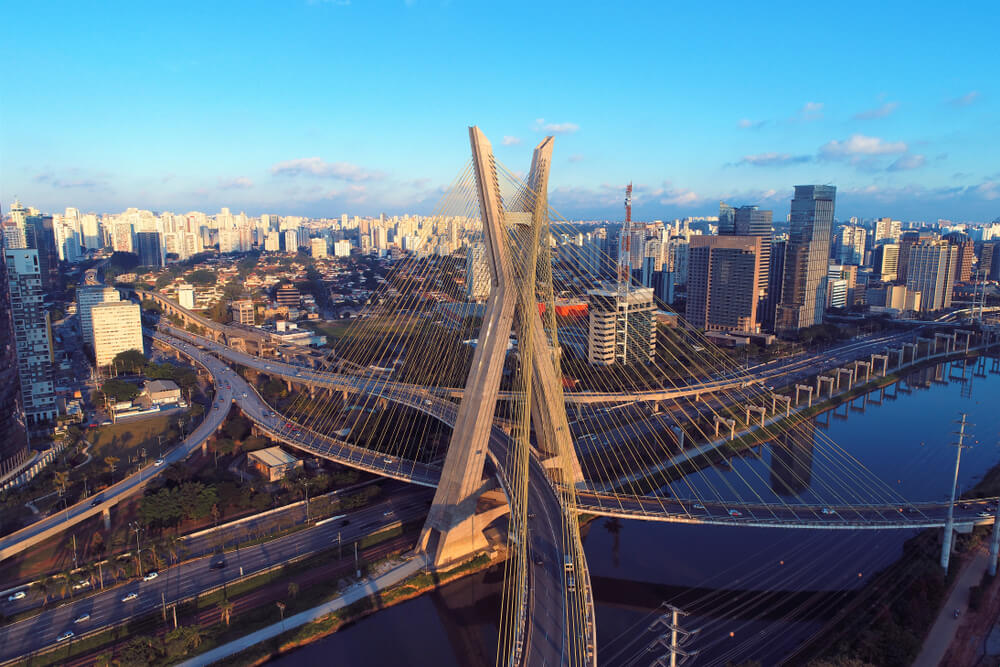
Photo: shutterstock.com
Is Brazil safe? This country has a lot of inequality, which contributes to its high crime rate, as many people end up turning to crime. As a result of this national imbalance, some places are safe to visit while others are best avoided. Moreover, while a city may be safe, its outskirts may be prone to high crime rates. It is thus best to review both the city and the location where you wish to stay or visit to understand if safety will be a concern. To help you out, we have listed some of the safest regions and highlighted those known for their high crime rates.
The Safest Regions
Some places are so safe that you will hardly feel exposed. These include the following:
- Florianópolis: This southern capital has a small population and boasts a lower crime rate than the rest of the country.
- Belo Horizonte: This capital is also in the south and gets a lot of traffic due to its bars. So safe is this city that you can walk around it.
- Curitiba: Besides its beautiful green spaces and unique museums, this capital boasts a low crime rate.
- Brasilia: As a UNESCO World Heritage Site, this capital gets a lot of tourist traffic and is one of the safest cities in the country.
- São Paulo: This city has it all, from parks to museums. Guess what it doesn’t have – a high crime rate!
Other safe cities include Joinville, Natal, Palmas, and Porto Alegre. Note that while these regions are safe, you should still follow safety precautions.
The Unsafest Areas
The inequality in Brazil continues to feed the high crime rates, with some areas bearing the brunt of this imbalance. Below are the cities you should avoid or visit with a lot of caution:
- Feira de Santana: Drug and homicide problems plague this city, which ranks as one of the top 10 most dangerous cities in the world.
- Mossoró: Having the highest murder rates in the country is definitely not a good sign.
- Fortaleza: Not only does this region have high vandalism rates, but it also ranks high in carjacking cases in the country.
- Salvador: Assault rates are very high in this region. It is also known for its drug problems and vandalism.
- Rio Branco: This city ranks high in all crimes, from carjacking to armed robbery to pickpocketing and homicide.
Other notably dangerous places include Vitória da Conquista, Manaus, and Belem. Some of these regions even have militias, which makes them even more dangerous for travel or even residence.
Travel Advisory Updates
All governments have mandates to protect their citizens traveling to foreign countries. They do this through travel advisories that highlight the safety of different countries and thus enable tourists to make informed decisions.
The US Department of State (Bureau of Consular Affairs) ranks Brazil as a level 2 destination, citing the need for travelers to exercise increased caution. Per this advisory, you can travel to Brazil but should avoid the following areas due to their high-security risks:
- International borders: Tourists should not travel to areas within 100 miles of Brazil’s borders with Colombia, Venezuela, Bolivia, Guyana, Peru, Suriname, French Guiana, and Paraguay unless they have security clearance. Traveling to national parks within that area is okay, provided you have followed all security protocols.
- Favelas (informal housing regions): These areas have much higher crime rates than other neighborhoods, including gang fights. You should not visit these areas, even with guides, as your safety is not guaranteed.
- Satellite Cities: Administrative regions in Brasilia, e.g., Santa Maria, have high crime rates, especially at night.
Is Brazil safe for tourists who are not visiting these areas? Even if you are not traveling to high-risk areas, following security measures is always advisable to protect yourself further. For more information regarding Brazil travel safety, you can refer to the Bureau of Consular Affairs in the US Department of State.
Local Safety Precautions
Is Brazil safe to visit? It all comes down to the safety measures you follow when traveling. Consider the following:
- Stick to tourist zones as these have the most security,
- Always watch your belongings in public as thieves target unguarded items,
- Avoid crowds as the close contact leaves room for pickpocketing,
- Book accommodation in a safe neighborhood,
- If targeted by thieves, do not resist the robbery, as you could end up injured or worse,
- Do not accept food and drinks from people you do not know,
- Avoid showing off flashy items when out in public,
- Do not go sightseeing after dark,
- Use ATMs in safe spaces, e.g., malls, and avoid those on the streets, and
- Book private transport means as public transport exposes you to more theft.
You should also only use guides you can trust, such as those recommended by your hotel.
Health and Medical Considerations
Brazil does not impose any vaccinations on travelers. However, the country has a high prevalence of diseases, some of which you can get vaccinated against before travel. Please review the following vaccination recommendations:
- COVID-19,
- Hepatitis A,
- Hepatitis-B,
- Malaria,
- Measles,
- Rabies,
- Typhoid, and
- Yellow Fever.
You can discuss preventive measures with your doctor, who can decide the best course of action based on your age, previous vaccinations, and health status.
Preventable Diseases
Some common diseases in Brazil do not have vaccinations, but you can take several measures to protect yourself. Please take note of the following safety risks:
- Leptospirosis,
- Schistosomiasis,
- American Trypanosomiasis,
- Dengue,
- Leishmaniasis, and
- Zika.
Wearing protective clothes outdoors (e.g., when hiking), avoiding sick people, and staying away from crowded places are some precautions you can take.
The Importance of Travel Insurance
There are many health and crime concerns for any tourist going to Brazil. It is thus advisable to get travel insurance as it covers you against unforeseen costs, e.g., baggage loss, illnesses, injuries, etc. You will enjoy more peace of mind and can embark on your trip feeling prepared for whatever comes your way.
Travel Documents
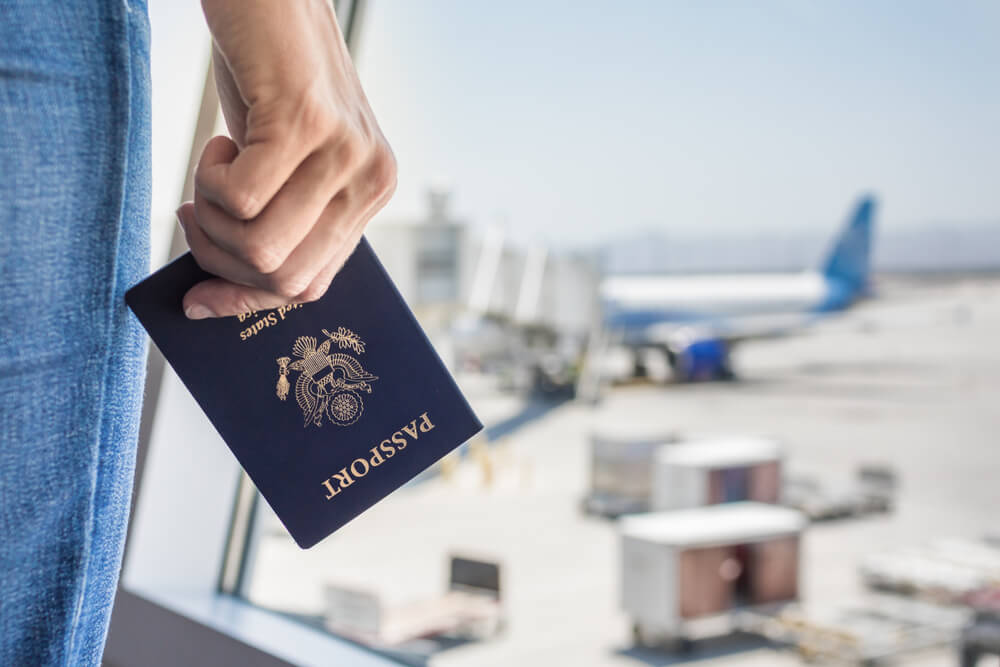
Photo: shutterstock.com
As part of Brazil’s security measures, visitors must present the following documents on entry and arrival:
- A valid passport: Your passport must be valid on the date of entry, have at least one blank visa page, and be in good condition.
- A visa: Non-tourist stays necessitate relevant visas, e.g., a work visa.
- Apostilles and translations: If you will engage in official business when in Brazil, these documents can help you enjoy smooth transactions.
Travel Visa Pro handles expedited passports, visas, apostilles, and translations and can get you a new passport or Brazilian visa in just a few days. Talk to our team about your travel needs, and we will get you the right documents.
Tourist-Friendly Areas
Besides unique attractions, tourists look forward to visiting places that have friendly environments. It makes it easier for them to engage with the locals, partake in cultural activities, tour the spaces on foot, go on historical tours, and even just explore the areas without any help. Where can you enjoy this in Brazil? You should have an easy time in the following places:
- Belo Horizonte,
- Natal,
- Brasilia,
- Florianopolis,
- Salvador, and
- Sao Paulo.
Not only are the cities big, but they are also bustling with numerous amenities and attractions. It should be easy to find a trusted guide or just walk the areas with an itinerary.
Solo Travel Considerations
Traveling alone can be daunting, and this can be even worse when traveling to a region with high crime rates. So, what can you do in addition to the safety measures we highlighted before?
- Do not share that you are traveling alone,
- Avoid walking or going to bars alone at night,
- Do not accept guided tours with guides whom your hotel has not recommended, and
- Be extra vigilant when in public, as being alone often marks you as a potential target.
All other safety considerations will apply.
Emergency Contacts and Resources
Information is power. Should you get into any trouble, you can use the following numbers to ask for help:
- Human Rights: 100
- Women’s Services: 180
- Anonymous Reports: 181
- Military Police: 190
- Public Hospital Ambulance: 192
- Fire Department: 193
- Civil Defense (for natural disasters): 199
Just dial the numbers as they are without entering any code, and you will get connected. If you need to reach the police station for tourist support, call any of the following numbers with the indicated codes:
- (21) 2332-2924
- (21) 2332-2885
- (21) 2232-2889
To reach the US embassy 24/7, you should call (61) 3312-7000 during working hours or (61) 3312-7400 after hours.
Is it safe to travel to Brazil? While Brazil has a high crime rate, it has many regions that are safe to visit. Your best bet lies in knowing the safe areas, following safe travel measures, and staying updated on government travel advisories. With this tri-factor, you are bound to have a great time!

