

Many tourists head to Egypt hoping to see the Great Pyramids, tour the royal tombs, and explore the country’s rich history. When they get to Egypt, they quickly learn that the country has much more to offer – its landscapes are breathtaking, its cuisines are delicious, its cities are modern and beautiful, the desert adventures are next level, the weather is excellent, and the cultural experiences are unique. And with all these attractions awaiting you, creating a fun and packed itinerary is relatively easy. The only question remains – is it safe to travel to Egypt?
We understand that safety concerns rank high among things to consider before booking an international flight. This guide covers everything you need to know about Egypt to help you plan a safe yet fun trip. Let’s get into it:
Current Safety Situation
Given the millions of tourists Egypt gets each year, it’s unsurprising that the country invests a lot in its security measures. But is it safe to travel to Egypt? In a 2023 study, the country was ranked the safest in Africa and 16th in the world. On a general level, the country is largely safe, but it helps to take note of the following issues that you may encounter:
- Civil unrest: Political protests are common in the country. Not only can you get physically harmed during these protests, but US citizens thought to be participating can get detained. Additionally, you should not criticize the government in public or social media.
- Terrorism: One of the biggest safety threats in Egypt is terrorism. These attacks usually target highly populated areas, including churches, and often result in fatalities.
- Petty crimes: Like most tourist destinations, Egypt has many cases of bag snatching, pickpocketing, and other small-time crimes targeted at tourists. National averages estimate that 5% to 7% of Egyptians fall victim to such crimes.
- Robbery: Some tourists have been robbed by armed thieves. Such instances usually happen at night, in remote areas, or unsafe neighborhoods. Luckily, the violent crime rate is low, accounting for about 1.4 incidents per 100,000 people.
- Kidnapping: There have been cases where tourists have been abducted by criminals who can demand a ransom from the abductee or their loved ones.
So, is Egypt safe to visit? Per these averages, the country is fairly safe. However, it’s important to note that national crime statistics have not been available since President Sisi assumed power. Thus, review every report you read with a grain of salt.
Safety in Different Regions
Crime rates in Egypt vary in intensity and prevalence based on the region. Consider the places you might want to avoid or be extra vigilant in when visiting the country:
- Petty crime: You are likely to get scammed, pickpocketed, or robbed in popular tourist destinations, crowded places, and public transport. Examples include the Cairo Metro, the markets in big cities, and around the pyramids.
- Terrorism: While terrorists can target any place, some regions are at more risk, e.g., North Sinai, the Western Desert, and the area around the Suez Canal.
- Political Conflict: Areas near the borders often get affected by conflict spillover. They include the Libyan and Israel borders.
Is Egypt safe for tourists who avoid high-risk areas? While the above crimes affect some places more than others, it helps to be cautious even in areas considered safe.
Travel Advisory Updates
Governments often review the security risks in other regions and advise their citizens regarding travel to those places. So, according to the US government, is Egypt safe? Currently, the US Department of State urges its citizens to reconsider traveling to Egypt because of the terrorist threats. The risks are particularly high in the following areas:
- The Sinai Peninsula,
- The Western Desert, and
- The areas near Egyptian borders.
Terrorists have often planned and executed attacks, such as the 2019 attack on tourist buses, despite heavy security presence. Thus, anyone planning to visit the country should be extra cautious, especially when there is an imminent threat, as the US government portrays currently.
To get advice on the safety rating in Egypt and other countries, you can follow updates issued by the Bureau of Consular Affairs in the US Department of State.
Local Safety Precautions
How dangerous is Egypt for tourists? The good news is that despite the safety risks addressed in this guide, many tourists have a fantastic time and go home with beautiful memories. You can also do this by employing the safety measures below:
- Stick to tourist zones as they have more security measures.
- Keep your valuables safe to avoid getting pickpocketed.
- Avoid the high-risk areas, e.g., the Libyan border.
- Keep a low profile to avoid attracting attention from criminals.
- Be watchful of marine life when out of sea – shark attacks can happen.
- Observe the cultural norms and avoid being disrespectful.
- Only work with guides recommended by people you can trust.
- Do not go out at night or to remote places alone.
Also, follow the news updates to understand the evolving safety situation.
Health and Medical Considerations

Photo: shutterstock.com
Per Egyptian immigration rules, visitors do not need any vaccinations to get through customs. While this is a good thing, it’s important to note that traveling to this country exposes you to some diseases, which you can protect yourself from by getting vaccinated. Which are these ailments?
- Global polio: You should be up to date with your polio vaccines before traveling to Egypt, as the risk of contracting the virus is high. It is especially higher for people in remote areas or those who will assist in healthcare settings.
- COVID-19,
- Hepatitis A,
- Hepatitis B,
- Measles,
- Rabies,
- Typhoid, and
- Yellow fever.
Getting vaccinated against these diseases is advisable. Talk to your doctor about what would work for you, given your age, vaccination history, and health status.
Note that the diseases below do not have vaccines, and you should thus employ extra precautions to avoid contracting them:
- Leptospirosis,
- Schistosomiasis,
- African Tick-Bite Fever,
- Crimean-Congo Hemorrhagic fever,
- Dengue,
- Leishmaniasis,
- Zika,
- Rift Valley Fever,
- Avian/Bird Flu,
- Hantavirus, and
- Tuberculosis (TB).
You can prevent most of these diseases by using insect repellants, wearing protective clothing outdoors, staying away from animals, avoiding contaminated food and water, and avoiding crowds.
Travel Insurance and Health Concerns
Contracting a disease abroad can be quite scary, especially when the resources available are not sufficient to cater to the risk at hand, e.g., getting bit by a rabid dog. Travel insurance helps you access medical services and can help you fly back to the US in an emergency, thus giving you peace of mind.
Travel Documents
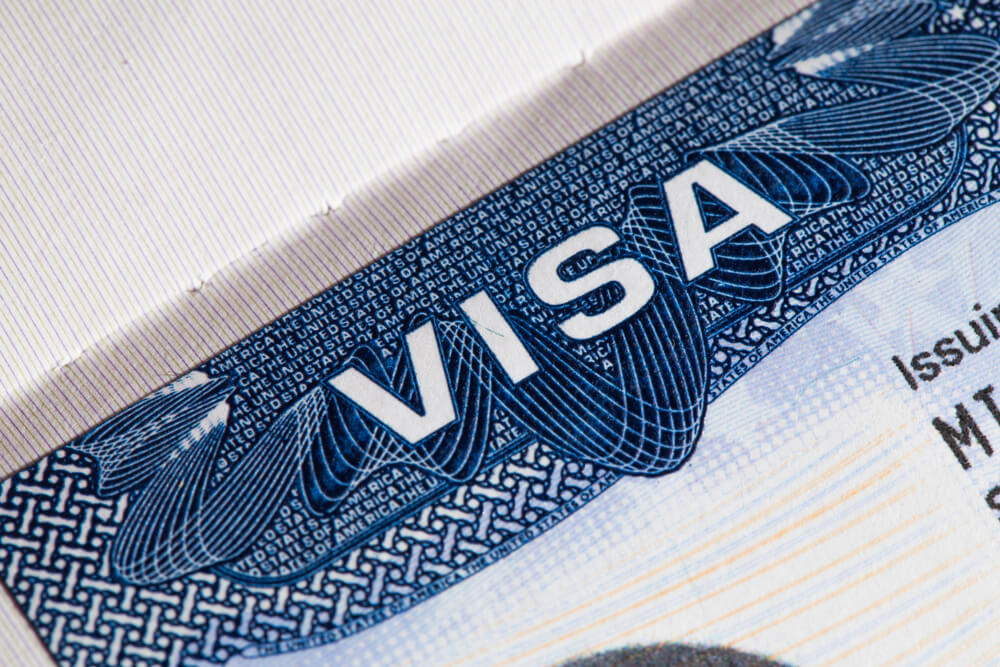
Photo: shutterstock.com
Getting in and out of Egypt is only possible if you have the correct documents. So, what should you include in your documentation?
1. A passport: Egyptian immigration officials will only allow you through if you have a passport that meets the criteria below:
- It should have at least six months of validity,
- It must have at least one blank visa page if you have a return ticket or enough to meet your destination’s requirements if you have an onward ticket, and
- It must be in good condition.
Travel Visa Pro expedites passports and can get you one in just a few days to help you meet all these requirements.
2. A visa: Unlike some countries that allow US citizens to enter visa-free, you must have a relevant visa per your travel purpose to enter Egypt. While tourist visas are available on arrival, immigration authorities can deny you entry without explanation. It is thus best to process a visa before leaving the US – TVP can help you determine the best visa for your stay and get you one in just a few days.
Ensure you safeguard your passport when traveling, as losing it can have you stuck in Egypt until you get a new one, which could be weeks or months.
Optional Travel Documents
While immigration officials will focus on your visa and passport, the following documents may be important for your stay:
- Travel Insurance: A good cover can help you mitigate losses from safety risks, thefts, and losses.
- Legalizations: If you want to engage in official business in Egypt, e.g., work, you may need to legalize your US documents to prove their validity.
- Translations: Egypt uses Arabic as its official language. It is thus a good idea to translate your documents to this language if you will engage in official business, e.g., marriage.
TVP offers all the services above and can help you meet all your travel needs under one roof.
Crisis Preparedness
Since Egypt has a level 3 safety ranking by the US government, it is best to reconsider traveling to it until the situation improves. But if you would like to proceed with your travel plans, below are some measures to help you stay safe in a crisis, e.g., political unrest.
- Avoid protests: Even if you are not actively protesting, being in such environments puts you at risk of physical harm.
- Be on alert: If there is an ongoing protest or terrorist attack, paying more attention to your surroundings is important.
- Get a good cover: Your travel insurance should include a medical cover with evacuation benefits to help you in a crisis.
- Follow news updates: You should not only follow Egyptian news but also enrol in the STEP option offered by the US government to help with emergencies.
- Have an emergency plan: Research your options in case of an emergency and determine how best you can proceed, e.g., where to stay if you can’t leave, who to contact, etc.
Most importantly, stay away from regions that have been highlighted as high-risk areas.
Tourist-Friendly Areas
Egypt is fascinating. But as we have covered, not all regions are safe. Below are the regions with the best rankings regarding attractions, safety, and friendliness.
- Sharm El Sheikh: A beach vacation in a country with hot weather feels like the perfect fit. And in Sharm El Sheikh, you will be in for quite a treat. This coastal city boasts some of the bluest and coolest waters you will ever see, complete with undisturbed coral reefs and fabulous resorts. You can stop by the markets for unique souvenirs when you are not enjoying watersports or getting a tan.
- Cairo: Visiting Egypt without stopping at Cairo feels incomplete—the country’s capital brims with ancient and modern wonders. So, you are in for a great time, whether shopping in the markets or visiting the museum. You will love how vibrant it feels and how great the souvenir collections are.
- Kharga Oasis: You have likely read about oases. But have you ever been to a city centered around one? Now is your chance to enjoy this magical moment and enjoy some adventure. You can enjoy historical tours, delightful culinary experiences, and soothing dips in the natural hot springs.
Dahab, Marsa Alam, Alexandria, Aswan, and Edfu are other amazing cities to include in your itinerary.
Solo Travel Considerations
Traveling alone is one of the best ways to learn more about yourself, enjoy convenience in your schedule, and follow the itinerary you want. So, how can you achieve all these and more while remaining safe in Egypt?
- Choose safe accommodation options: Look for hotels, hostels, or short-term rentals listed on trusted sites, in good neighborhoods, and with good reviews. If you can get a recommendation from someone you know, even better.
- Be selective about transport options: Determine how you can move from one part of Egypt to the other and how much it will cost, and review your options based on safety and trust ratings. For example, you should only use licensed taxis.
- Communicate with your loved ones: Your friends and family (or at least two) should know your itinerary so they can follow you as you move. It’s also good to share your live location as much as possible.
- Do not post in real-time: It’s easy for people to track you when you post updates on where you are and what you are doing. These live updates expose you to people who may want to take advantage of you.
- Avoid isolated areas alone: You should not walk alone at night or in remote areas as these situations carry more risk than populated areas.
Besides these considerations, you should also follow the safety precautions that apply to other people, e.g., not flashing luxury items or money.
Emergency Contacts and Resources
A big part of taking precautions requires you to know who you can call in an emergency. Note the following numbers down in your phone and your travel itinerary so you can reach them as needed:
- Police: 122
- Ambulance service: 123
- Civil defense and fire fighting: 125
- Tourist police: 126
- Gas emergency service: 129
- Telephone information service: 140
- Fire brigade: 180
- Road emergencies: 012.2111.0000
- US Embassy: +20 2 27973300 (you can always dial this number for emergencies).
Besides emergency numbers for Egyptian authorities, having personal emergency contacts you can reach as needed is a good idea.
So, should you travel to Egypt? The country has low to moderate crime rates and is mostly safe, making it a good tourist destination. But with the imminent terrorist threats, all travellers should consider having an emergency evacuation plan and stay updated with Egyptian news and US travel advisories.

