
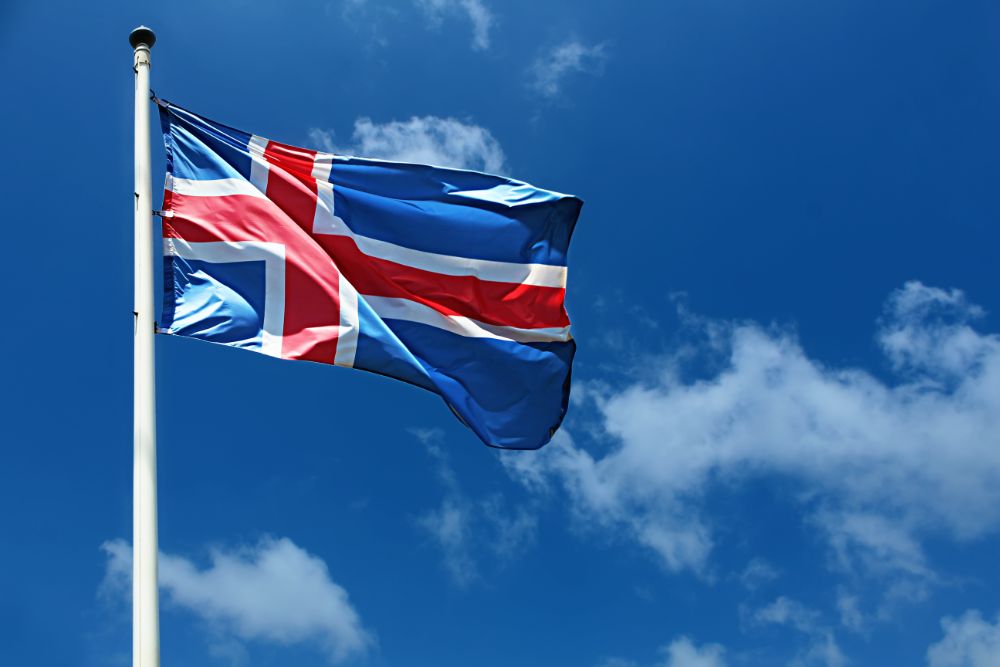
Are you planning a trip to the breathtaking land of fire and ice? Well, Iceland’s stunning landscapes, ranging from icy glaciers to steaming geysers, are beckoning! However, figuring out the best time to visit can be a bit tricky. This Nordic island nation offers unique attractions throughout the year, but each season also brings its own challenges.
Whether you’re eager to see the midnight sun or chase the northern lights, your experience in Iceland will greatly depend on when you choose to go. You might be wondering if it’s better during summer’s endless daylight or winter’s long nights? Or perhaps during the transitional shoulder seasons? Let’s delve into understanding what each season in Iceland has to offer so that you can plan your trip according to your personal preferences and interests.
Iceland
You’re intrigued by Iceland’s dramatic landscapes and unique culture, aren’t you? But before planning your trip, it’s crucial to understand its distinct climate and the factors that can influence when it’s best to visit. Let’s delve into how Iceland’s weather patterns might affect your travel plans and discover what considerations you should bear in mind to ensure a memorable Icelandic adventure.
Understanding Iceland’s Unique Climate
Iceland’s ever-changing climate, with its dramatic shifts and sudden surprises, truly adds to the mystique and allure of this captivating island. The best time to go to Iceland really depends on what you want from your trip because every season has something unique to offer. If you’re hoping for milder temperatures, then summer might be the best time to visit Iceland, typically between June and August. However, remember that ‘mild’ in an Icelandic context means highs in the low teens Celsius (mid-50s Fahrenheit). But what summer offers are incredibly long days – the sun hardly sets giving you ample daylight hours for exploration.
Yet if it’s the Northern Lights or Aurora Borealis that you’re hoping to see, then winter is definitely the best time to travel to Iceland. This spectacle of nature is generally visible from September through March when nights are longest. Even though winter comes with shorter days and colder temperatures, there’s a certain charm about visiting Iceland during this period – think snow-covered landscapes and frozen waterfalls! So really, deciding on the best time of year or even the best month to visit Iceland boils down entirely on your personal preferences and interests. Whether it’s hiking under midnight sun conditions or marveling at geysers against snowy backdrops – every season is uniquely rewarding in its own way.
Factors to Consider When Choosing the Best Time to Visit
Before packing your bags and setting off on your Icelandic adventure, it’s essential to consider several factors that could significantly impact your overall experience. Firstly, the time of year you choose to visit will determine what attractions are accessible and what kind of weather you can expect. For instance, if you’re keen to see Iceland’s famous Northern Lights, winter is undoubtedly the best time; however, be prepared for very short days and potentially extreme cold. On the other hand, summer offers mild temperatures and long hours of daylight—perfect for exploring Iceland’s stunning landscapes but not ideal for witnessing the Aurora Borealis.
Similarly, consider your preferred activities when deciding on the best time to visit. Are you an avid hiker or nature lover? Then mid-June through August might be perfect as most of the hiking trails are open due to warmer weather conditions. However, if seeing wildlife tops your list—specifically whales and puffins—the months from April to September would serve you better. Lastly, remember that peak tourist season falls between June and August so expect larger crowds at popular sites during this period. Balancing all these considerations will help ensure that your trip to Iceland is nothing short of unforgettable!
Summer (June to August)
Summer in Iceland, from June to August, offers you a truly unique experience. It’s the peak tourist season where you’ll be mesmerized by the Midnight Sun and enjoy extended daylight hours for all your outdoor adventures. Moreover, it’s a perfect time to immerse yourself in various festivals and events that come alive during this vibrant season.
Peak Tourist Season
While it’s true that the peak tourist season in Iceland is from June to August, don’t let that deter you as this period offers endless daylight hours and milder weather. Yes, there will be more people around as you explore the stunning landscapes of this Nordic island nation, but consider the perks. The long days provide ample time for sightseeing and outdoor activities like hiking or bird watching without having to rush. Plus, temperatures are warmer during these months—usually around 10-15 degrees Celsius (50-59 degrees Fahrenheit), so you can leave your heavy winter gear at home.
However, keep in mind that accommodation prices and flights may be higher due to increased demand. To ensure a less stressful trip, plan and book everything in advance—from hotels to car rentals to tours. Despite the crowds though, summer is also when many festivals take place throughout the country giving you a chance not only to see Iceland’s natural wonders but also immerse yourself in its vibrant culture. So if you’re looking for a mix of nature exploration with cultural experiences under nearly constant sunlight, visiting during peak season could be perfect for your Icelandic adventure!
Midnight Sun and Extended Daylight
Experiencing the phenomenon of the Midnight Sun is truly an unforgettable aspect of traveling to Iceland during peak season. From late May to early August, you can enjoy almost 24 hours of daylight, meaning endless opportunities for exploring and sightseeing. Imagine seeing the breathtaking landscapes bathed in a golden glow at midnight or witnessing puffins nesting under a sun that never fully sets. It’s a surreal experience that is worth staying up late for!
However, don’t forget about your sleep schedule! The extended daylight could disrupt your body clock if you’re not careful. Consider investing in some good quality eye shades or blackout curtains to help maintain your regular sleeping pattern while enjoying this unique spectacle. Despite this minor inconvenience, the beauty of the Midnight Sun will surely make it all worthwhile. Your visit to Iceland during these months will be filled with magnificent sights and memories that’ll last a lifetime.
Ideal for Outdoor Activities
You’ll find that the extended daylight hours are perfect for indulging in a multitude of outdoor activities. Imagine embarking on an adventurous hike through the rugged terrains or exploring the stunning landscapes on horseback, all under the enchanting glow of the midnight sun. You could even test your nerves with some ice climbing or glacier walking – it’s all possible thanks to those extra hours of sunlight. The wildlife is also more active during this time, so you’re likely to spot puffins, seals and perhaps even whales if you venture out to sea.
The warmer temperatures during summer months make it ideal for camping too. With almost 24/7 daylight, setting up your campsite is a breeze, no matter what time you arrive. Not to mention, waking up to the breathtaking views Iceland has to offer sure beats an alarm clock! Whether you fancy fishing in one of Iceland’s many lakes and rivers or want to soak in a geothermal pool under the open sky – there’s truly no shortage of things to do when daylight stretches well into night.
Festivals and Events
Moving on from outdoor activities, there’s another exciting reason to consider timing your visit right – the colorful Icelandic festivals and events that occur throughout the year. These celebrations offer a unique perspective into the vibrant culture and traditions of this Nordic nation.
Iceland has an array of cultural events you can take part in. For instance, if you plan your trip in August, you’d get a chance to experience ‘Menningarnótt’, or ‘Culture Night’ in Reykjavik. This event sees locals and tourists alike flooding the streets for music performances, art installations, fireworks, and more. If visiting during winter isn’t off-putting for you, then December could be thrilling with Christmas markets lighting up every corner of towns and cities. There’s also the ‘Thorrablot’ festival held in January or February where traditional Icelandic food takes center stage. So remember, matching your travel dates with these local festivities could add an entirely new dimension to your Iceland adventure!
Fall (September to November)
As you venture into fall, from September to November, you’ll find fewer tourists and lower prices in Iceland, making it an ideal time for a quiet getaway. You can’t help but be captivated by the stunning autumn foliage painting the landscape with hues of red, orange, and gold. This is also when the mystical Northern Lights begin to appear in the sky and off-season adventures like ice caving become available.
Fewer Tourists and Lower Prices
During the off-peak season, there’s a noticeable drop in tourist numbers, making Iceland’s stunning landscapes more serene and accessible, not to mention the lower prices that come with it. Enjoying popular sights such as Gullfoss waterfall or the geothermal Blue Lagoon without jostling for space with other tourists can make your experience more enjoyable. You’ll not only have better opportunities for unspoiled photography but also get to appreciate these natural wonders at your own pace. The reduced crowd also means less noise pollution, allowing you to fully immerse yourself in the tranquillity of Icelandic nature.
In terms of accommodation and travel expenses, visiting during this time will be lighter on your pocket. Many hotels, guesthouses and tour operators offer discounted rates due to decreased demand. You might even discover some excellent deals on flights if you book early enough! Plus, restaurants that are typically crowded during peak seasons might have shorter wait times or even offer off-season specials. So, if you’re not particularly bothered by colder temperatures and shorter daylight hours – which can actually add to the charm of the Nordic scenery – then visiting Iceland when fewer tourists do could be a smart move financially as well as experientially.
Stunning Autumn Foliage
You’ll be absolutely captivated by the brilliant hues of autumn foliage in Iceland, a vibrant display that adds an extra layer of magic to its already breathtaking landscapes. As summer fades into fall, the country’s flora transform from lush greens to a stunning palette of reds, oranges, and yellows. This natural spectacle is truly awe-inspiring as you take in the beauty of golden birch forests contrasted against rugged lava fields and majestic glaciers.
In addition to the visual feast on land, don’t forget about the sky – autumn is also prime time for Northern Lights viewing. With longer nights setting in, you’ve got better chances of witnessing this celestial light show dancing across the night sky. So grab your camera and bundle up for an unforgettable Icelandic autumn adventure – it’s not just photogenic; it’s downright enchanting!
Northern Lights Begin to Appear
Moving on from the vibrant hues of autumn, there’s another captivating spectacle that starts to grace the Icelandic skies – the Northern Lights. Indeed, as fall transitions into winter, your chances of witnessing this celestial dance increase.
Starting in late September and extending through early April, you can catch sight of this breathtaking phenomena. The Northern Lights or Aurora Borealis, are a natural light display caused by charged particles from the sun colliding with atmospheric gases. Imagine standing under star-studded skies as they suddenly ignite with green, pink or purple waves dancing across it! Visit rural areas for less light pollution and clearer sightings; however, remember that visibility is dependent on weather conditions and solar activity. So while there’s no guarantee you’ll see them every night of your visit, when they do appear it’s an unforgettable experience worth any amount of patience.
Off-Season Adventures
Don’t let the chillier temperatures deter you, there’s still plenty of off-season adventures awaiting in Iceland. Embrace the cold and explore the dramatic landscapes that truly come alive during this time. Snow-capped mountains and frozen waterfalls are a sight to behold, providing breathtaking backdrops for avid photographers. You can also take part in unique winter activities like ice caving or snowmobiling on glaciers.
In addition to these exhilarating experiences, visiting Iceland during off-peak times means fewer tourists around, so you’ll have more space to yourself while exploring national parks or soaking in geothermal pools. Plus, accommodation and flights are often cheaper outside of the summer months which could make your trip more affordable. Just remember to pack warm clothes and be prepared for shorter daylight hours!
Winter (December to February)
Ready to experience the magic of Iceland’s winter wonderland? You’ll have the opportunity to chase the mesmerizing Northern Lights, partake in a variety of winter activities and sports, all while immersing yourself in cozy Icelandic culture. Get ready for an unforgettable adventure as you explore this winter paradise.
The Magic of Iceland’s Winter Wonderland
If you’re yearning for a truly enchanting experience, Iceland’s winter wonderland will surely captivate your heart with its magical Northern Lights and snow-capped landscapes. Imagine standing beneath the shimmering celestial dance of the aurora borealis, feeling as if you’ve stepped into another world. The snowy peaks add to this ethereal atmosphere, creating an otherworldly charm that’s hard to resist. Plus, there’s something incredibly peaceful about the stillness that comes with winter – it brings a sense of tranquility that is simply unparalleled.
The magic doesn’t stop there; winter in Iceland also offers unique experiences like ice cave tours and glacier hikes you can’t get anywhere else. Imagine walking through a tunnel where everything around you is made of glittering ice or hiking across an ancient glacier covered in fresh white snow. You’ll feel like an explorer on an arctic adventure! Additionally, many hot springs remain open during these colder months providing a warm respite from the frosty weather. Soaking in these geothermal pools while surrounded by icy scenery is sure to be a highlight of your trip to this frozen paradise.
Chasing the Northern Lights
Chasing the Northern Lights, arguably one of the most awe-inspiring natural phenomena in the world, turns any trip to Iceland into an unforgettable journey. This spectacle of nature’s light show can be seen from late August to mid-April, with peak viewing between December and February. The lights are caused by solar particles entering Earth’s atmosphere, resulting in a display of vibrant colors that dance across the night sky. Visiting during this time offers you not only darker nights for optimal viewing but also a chance to experience Iceland’s winter wonderland.
However, keep in mind that seeing the Northern Lights is never guaranteed— it depends on two factors: clear skies and solar activity. Make sure to check forecasts for both before heading out on your hunt. You may want to join guided tours as they have experienced guides who understand these conditions and know where best to go for sightings. Remember to bundle up; it gets freezing at night! But when you finally see those ethereal lights swirling above you – it’ll all be worth it. The Northern Lights truly make visiting Iceland in winter an extraordinary experience you won’t forget easily!
Winter Activities and Sports
You’ll find that winter in Iceland isn’t just about the mesmerizing Northern Lights, it’s also a haven for thrilling activities and sports. The snow-covered landscapes become your playground for exhilarating winter pursuits. You can go dog sledding across the frozen tundra or try your hand at snowmobiling on glacial fields, feeling the cool wind against your face as you speed through the wilderness. For those who enjoy skiing or snowboarding, you’re in luck! The Icelandic mountains offer some of the best slopes around.
If you’re an adrenaline junkie looking for something more extreme, why not try ice climbing? With experienced guides to lead you, tackle Iceland’s icy cliffs and glaciers for a truly awe-inspiring experience. Or perhaps delve into the depths of Iceland’s unique glacier caves – a breathtaking sight to see in winter. If slower pace activities are more to your liking, consider going on guided walking tours exploring geysers and hot springs under winter’s chill air or spend a day ice fishing on frozen lakes. Whatever your preference may be, winter in Iceland offers an array of unforgettable activities and sports tailored to quench your thirst for adventure.
Cozy Icelandic Culture
After your thrilling adventures in the snow, there’s nothing quite like immersing yourself in the cozy culture of Iceland. As winter nights lengthen, you’ll find locals gathering in warm pubs and cafes, sharing stories over steaming cups of coffee or locally brewed craft beers. You might even get invited to a ‘kvöldvaka’, an old Icelandic tradition where people come together during long winter evenings for storytelling, singing, and knitting. This is also the perfect time to sample some traditional Icelandic fare such as hearty lamb soup or ‘kleina’ – a kind of twisted donut.
During this chilly season, many Icelanders indulge in ‘jólabókaflóð’, or the “Christmas book flood”. It’s a charming tradition where books are exchanged as gifts on Christmas Eve and then everyone spends the night reading their new treasures by candlelight. The country has one of the highest literacy rates in the world and an incredibly strong literary culture dating back to sagas written more than 1,000 years ago. So it’s no surprise that they have embraced this quaint custom with fervor. Why not join them? Snuggle up with a good book from one of Reykjavik’s many well-stocked bookshops and experience another facet of local life!
Spring (March to May)
As the land begins to thaw in spring, from March to May, you’ll experience milder weather and longer days in Iceland. This is a fantastic time for birdwatching as numerous species flock back to the island after winter. Don’t forget to immerse yourself in seasonal events and celebrations that bring out the vibrant culture of this Nordic country!
Thawing of the Land
Springtime in Iceland, typically from April to June, is when the land thaws and nature truly begins to bloom. The snow starts melting away, revealing lush green landscapes that have been hidden under the winter white for months. You’ll witness rivers rushing with fresh glacial meltwater and hillsides sprinkled with wildflowers. It’s a time of renewal, which becomes apparent as you watch wildlife emerging from their winter hibernation.
This thawing period also offers some unique opportunities for visitors like you. You can visit attractions such as the Golden Circle or the South Coast before they become crowded with summer tourists. Plus, it’s an ideal time to try out activities like horseback riding and birdwatching since many species are returning home around this time. So while spring might still be a bit chilly compared to summer, it’s definitely worth considering if you want to avoid crowds and experience Icelandic nature at its most vibrant!
Milder Weather and Longer Days
With the arrival of milder weather and longer days, you’ll get to enjoy Iceland in a whole new light. The transition from winter to spring brings with it an explosion of colors as flowers bloom and landscapes come alive. You’ll find that there’s more daylight hours to explore the picturesque sceneries, hike mountains, or even take a dip in one of the many geothermal pools. The temperatures are comfortable too, averaging around 10-15°C (50-59°F) during the day.
During this period, you can also experience various cultural festivals like the Reykjavik Arts Festival or Secret Solstice Music Festival which showcases local talent as well as international acts. And let’s not forget about the midnight sun phenomenon which occurs towards the end of spring and into summer. This unique spectacle gives you almost 24 hours of daylight! So whether it’s exploring nature or immersing yourself in Icelandic culture, these milder months offer plenty of opportunities for adventure and fun.
Birdwatching Opportunities
You’ll find no shortage of birdwatching opportunities during these months, as a variety of migratory birds flock to Iceland, making it a birder’s paradise. From April through August, the country becomes home to millions of seabirds that nest on its cliffs and islands. The most famous among them is the puffin, with their distinctive colorful beaks and black-and-white feathered bodies. These iconic avian creatures can be seen in large numbers around the coastal areas such as Látrabjarg in Westfjords and Dyrhólaey on the South Coast.
In addition to puffins, you could also spot other species like kittiwakes, guillemots or razorbills during your visit. If you’re lucky enough, you might even catch sight of rare birds like brünnich’s guillemot or white-tailed eagles! Remember to bring your binoculars and camera for close-up views and memorable shots. Also consider taking part in guided birdwatching tours available across Iceland; they provide expert knowledge about different species and best viewing spots which enhances your overall experience. A tip for an unforgettable birdwatching trip: plan it between mid-June to July when daylight lasts almost 24 hours allowing ample time for exploration!
Seasonal Events and Celebrations
As the days lengthen, vibrant festivals and celebrations come alive across the country, filling your trip with cultural charm and unforgettable experiences. For instance, if you visit in late January to early February, you’ll be able to witness Þorrablót, a traditional midwinter festival where Icelanders feast on historic delicacies. In spring, Easter is celebrated with unique customs including large chocolate eggs filled with Icelandic proverbs. The summer solstice in June is marked by the Secret Solstice Festival featuring local and international music artists. Then there’s Culture Night held every August in Reykjavik – it’s one of the largest events where art installations pop up all over the city and fireworks light up the night sky.
But it doesn’t stop there. If you decide to visit between late September and early November, you can experience Réttir – an annual sheep round-up event that involves locals as well as visitors. You’ll see Icelandic horses being ridden across stunning landscapes while herding thousands of sheep from summer pastures down to the valleys for winter shelter; certainly a spectacle not to be missed! As December rolls around, Christmas is brought in by 13 mischievous Yule Lads who leave gifts or play tricks over 13 nights leading up to Christmas Day. Consider these seasonal events when planning your trip – they’re sure to add an extra layer of authenticity and fun!
Personal Preferences and Interests
When planning your trip to Iceland, it’s crucial that you tailor your visit based on what you genuinely enjoy. Whether you’re an adventure seeker looking for thrilling experiences or a relaxation enthusiast wanting to unwind amidst nature’s serenity, Iceland has something for everyone, including wildlife and nature enthusiasts. Of course, let’s not forget about considering your budget and travel style – whether luxe or lean – in shaping the perfect Icelandic getaway just for you.
Adventure Seekers vs. Relaxation Enthusiasts
Whether you’re an adrenaline junkie looking for your next thrill or a peace-seeker longing for tranquil moments amidst nature, Iceland’s got you covered. If adventure is what gets your heart pumping, then the best time to visit would be during the summer months (June-August). During this period, roads are more accessible and daylight hours are extended due to the midnight sun phenomenon. This gives you ample time to explore geysers, waterfalls, lava fields and even take part in thrilling activities like glacier hiking, ice climbing or river rafting.
On the other hand, if relaxation is more up your alley and you desire peacefulness over adventure, consider visiting Iceland during off-peak seasons (September – November & April – June). You’ll find fewer tourists at this time which translates into quieter visits to popular attractions such as Blue Lagoon or Gullfoss waterfall. The weather might be a bit temperamental with occasional rain showers but there’s something undeniably calming about watching misty landscapes from a cosy cafe or soaking in thermal pools while surrounded by snow-capped mountains. Plus, if you’re lucky enough, these are also great times to catch breathtaking views of the Northern Lights!
Wildlife and Nature Enthusiasts
As a wildlife and nature enthusiast, you’ll be absolutely enchanted by the abundant natural wonders that Iceland has to offer. The best time for such an experience is during the summer months, from June to August. This season offers 24-hour daylight known as the Midnight Sun, when you can explore diverse landscapes all day long. You’ll get to see lush greenery and blooming wildflowers painting the valleys in vibrant colors, cute puffins nesting on cliff sides, and whales frolicking in the waters around Iceland’s coast.
If bird-watching is your thing, make sure you visit between April and August when over 80 species of birds nest in Iceland. Wildlife lovers should also note that seals are visible all year round but get especially playful during July and August. For those more into flora than fauna, there are many hiking trails across Iceland that will lead you through fields of Arctic Thyme and Angelica flowers under an ever-present sun. So pack your bags, grab your binoculars and prepare yourself for an unforgettable encounter with Mother Nature at her best!
Budget and Travel Style
Don’t worry if you’re traveling on a tight budget or have a distinctive travel style, Iceland has something to offer every kind of traveler. The most cost-effective time to visit is during the off-peak season – from October to April. While winter can be extremely cold, you’ll save significantly on accommodation and flights. Plus, you’ll have better chances of seeing the Northern Lights! For backpackers and those who prefer less crowded tourist spots, this period could be perfect.
If luxury travel is more your style, summer is probably the best time for you. From late May to early September, you can enjoy longer daylight hours and milder weather which makes exploring Iceland’s dazzling landscapes more comfortable. Accommodation and amenities will generally be higher-priced during this peak season but it’s worth it considering the unique midnight sun experience which means almost 24 hours of daylight! Regardless of your budget or travel style, always remember that planning ahead is key in making the most out of your Iceland trip.

