If you’re dreaming of a tropical getaway, Hawaii probably tops your list. With its stunning beaches, vibrant culture, and incredible natural beauty, it’s no wonder why this Pacific paradise is a favorite destination for many travelers. But when is the best time to visit Hawaii? It all depends on what you’re looking for in a vacation.
Hawaii’s climate varies throughout the year, with peak tourist seasons bringing higher prices and crowded beaches. However, if you prefer quieter times with fewer visitors but still enjoy great weather, off-peak seasons might be your perfect choice. In this article, we’ll guide you through deciding on the best months to visit based on weather considerations and seasonal activities or events that might interest you. We’ll also provide some budgeting tips and accommodation advice to make your Hawaiian trip unforgettable!
Hawaii
Why wouldn’t you choose Hawaii for your vacation? It’s a paradise on earth with its stunning beaches, incredible landscapes, and rich culture. However, the timing of your visit is crucial to fully experience what Hawaii has to offer; get it right and you’re guaranteed an unforgettable trip.
Why Choose Hawaii for Your Vacation?
Basking in the warm, tropical sun while sipping on a refreshing Mai Tai, you’ll quickly understand why Hawaii is a top choice for vacationers worldwide. Figuring out the best time to visit Hawaii depends largely on your personal preferences and what you want to do during your stay. The islands offer something magical all year round; whether it’s the breathtaking surf competitions in winter or the vibrant cultural festivals sprinkled throughout summer, there’s always something happening that will make your holiday unforgettable.
Choosing the best time of year to visit Hawaii can also be dictated by weather conditions. If you’re not one for large crowds and prefer more tranquil surroundings, consider visiting during spring or fall – these are generally considered the best months to visit Hawaii as it’s less crowded yet still boasts pleasant weather. On the other hand, if you’re a water sports enthusiast eager for towering waves or an avid hiker craving cooler temperatures for those uphill treks, winter might just be your season of choice! No matter when you decide to go though, one thing’s certain: A trip to Hawaii is bound to be an experience like no other.
Importance of Timing Your Visit
It’s crucial to consider when you’re planning your Hawaiian getaway as the timing can greatly impact the type of experience you’ll have. The islands’ unique weather patterns and seasonal tourist influxes can significantly influence everything from flight costs and hotel rates, to crowd sizes at popular attractions. For instance, if you’re looking for a more relaxed vacation with fewer tourists around, avoid peak seasons such as winter holidays or summer vacations when families flock to Hawaii. On the other hand, if you thrive on social interaction and don’t mind larger crowds, these times might be perfect for you.
Furthermore, it’s essential to keep in mind that different activities are better suited for specific times of the year. If surfing is high on your list, winter months offer higher swells particularly on North Shore beaches. But if snorkeling is your main draw, calmer waters during summer months provide better conditions. Timing also matters if you’re interested in experiencing cultural events like hula festivals or lei day celebrations which occur at specific times throughout the year. So remember – plan wisely to ensure that your Hawaiian adventure aligns perfectly with your interests and expectations!
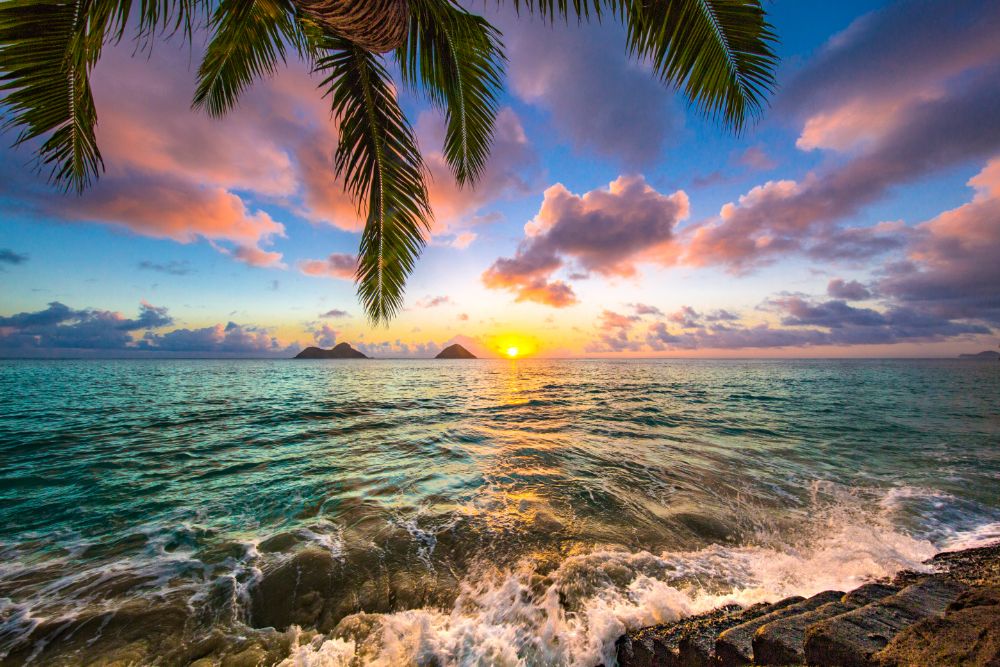
Photo: shutterstock.com
Peak Tourist Seasons
You might be wondering when the peak tourist seasons in Hawaii are. Well, summer is certainly a high season with many traveling families making their way to the islands for vacation. But don’t overlook winter; it’s another popular peak season as travelers flock to escape colder climates and enjoy Hawaii’s warm beaches.
Summer: High Season
Although it’s Hawaii’s high season, summer offers a unique blend of vibrant festivities and warm tropical weather that truly encapsulates the island’s charm. From June through August, you’ll find that the islands are alive with cultural events like King Kamehaha Day and the Lantern Floating Hawaii ceremony on Memorial Day. The beaches are buzzing with families and surfers taking full advantage of the beautiful weather, while inland adventures such as hiking to waterfalls or exploring volcanoes provide an equally exciting experience.
In addition to these activities, summer in Hawaii is also when nature puts on its best show. You’ll witness majestic sunsets painting the sky in hues of pink and orange every evening and can explore lush rainforests filled with exotic animals during daylight hours. While prices for accommodations tend to be higher due to increased demand, if you plan ahead and book your stay well in advance, you might manage to snag some good deals. So despite being part of high season, summer ensures a memorable Hawaiian vacation filled with outdoor fun and cultural immersion!
Winter: Another Popular Peak Season
Switching gears to winter, let’s not forget that it’s another peak season in Hawaii that offers its own version of paradise. While the rest of the world is battling blizzards and bone-chilling temperatures, you’ll be soaking up the Hawaiian sun with average daytime temps ranging from 78 to 82 degrees. This makes it an ideal destination for a winter getaway. Not only will you escape the cold but also get a chance to witness some of the island’s unique winter events like The Vans Triple Crown of Surfing on Oahu’s North Shore.
In addition to surfing events, there are plenty other activities you can enjoy during your winter visit. You’ll have opportunities for whale watching as humpback whales migrate through Hawaiian waters from November through May. Visiting Volcanoes National Park is especially magical during this time as cooler temperatures make hiking more comfortable and the lava glow against dark skies even more spectacular. But remember, since it’s peak season, prices tend to be higher and popular spots might be crowded. So booking well in advance could help save some bucks and secure your spot in paradise!
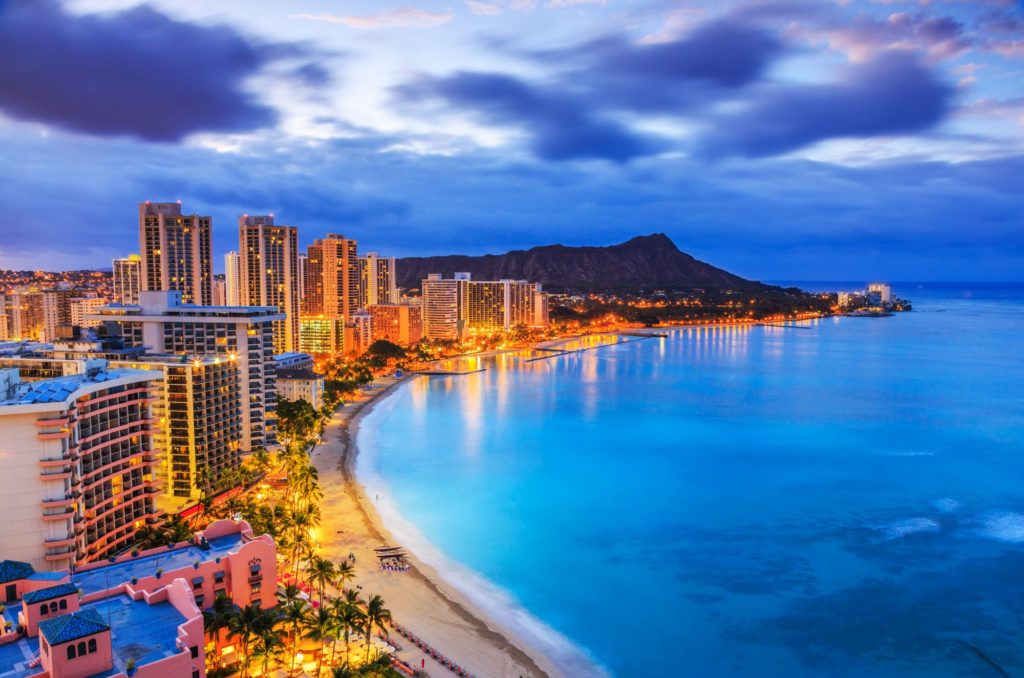
Photo: shutterstock.com
Off-Peak Seasons
If you’re looking for a more tranquil trip to Hawaii, consider visiting during the off-peak seasons of spring and fall. Spring offers a delightful balance of mild weather and fewer crowds, making it an appealing off-peak option. And in the fall, you can truly savor the quieter times on the islands, enjoying less hustle and bustle while still experiencing all Hawaii has to offer.
Spring: A Pleasant Off-Peak Option
Don’t overlook spring as a fantastic time to visit Hawaii, offering pleasant weather and fewer crowds. From March to May, the islands welcome you with average temperatures in the mid-70s to low 80s – perfectly warm for beach activities but not unbearably hot. Plus, there’s less rainfall compared to the winter months, so your chances of enjoying sunny days are higher. As it’s outside peak seasons like summer and winter holidays, you’ll find that beaches, trails and popular attractions are less crowded giving you ample space to enjoy at your own pace.
Another bonus of visiting Hawaii in spring is the opportunity to partake in unique events and festivals. The Merrie Monarch Festival held during Easter week is a renowned hula competition attracting participants from all over the world. Also notable is Lei Day on May 1st where you can immerse yourself in Hawaiian culture through lei-making competitions and parades. So why not consider spring for your Hawaiian getaway? With great weather, manageable tourist numbers, and special cultural experiences – it could turn out just perfect!
Fall: Enjoying Quieter Times
As summer’s high season fades, you’ll find the months of September through November offer an especially serene and laid-back atmosphere in the Hawaiian islands. It’s a time when Hawaii sees fewer crowds, leaving you with plenty of space to explore and enjoy each island’s unique offerings at your own pace. You can expect lower prices on flights and accommodations during this period, making it a cost-effective time to vacation here. Plus, the climate remains warm with temperatures averaging between 70 and 85 degrees Fahrenheit, perfect for beach activities or hiking adventures.
On top of that, fall brings a variety of festivals that showcase Hawaiian culture and traditions. You might get lucky enough to witness the Aloha Festivals—a statewide celebration full of parades, hula competitions, music concerts—and experience Hawaii’s rich heritage in full swing. Or perhaps you’ll catch the Maui Fair—the biggest event on Maui—with its fun-filled carnival rides and local food vendors serving irresistible Hawaiian delicacies. So if you’re looking for quiet beaches coupled with vibrant cultural festivities, fall could be your ideal time to visit Hawaii.
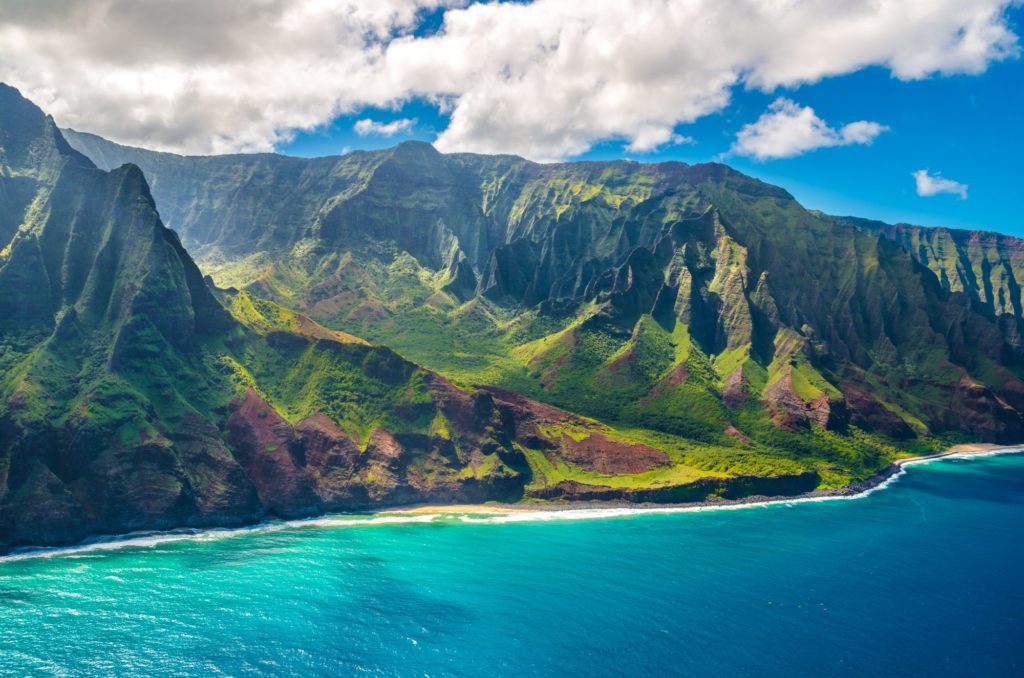
Photo: shutterstock.com
Best Months to Visit Hawaii
Ready to explore the best months for your Hawaiian getaway? Let’s delve into the pros and cons of visiting from January to March, experience the springtime wonders that April to June offers, bask in the summer delights from July to September, and wrap up with a festive holiday season between October and December. Each period presents unique experiences that can help you decide when it would be perfect for you to visit this paradise.
January to March: Pros and Cons
Visiting Hawaii between January and March offers a tropical escape from winter’s icy grip, but it’s also the peak of the rainy season, so you’ll need to pack an umbrella along with your swimsuit. The temperatures during these months are comfortably warm, averaging in the 70s to low 80s Fahrenheit. You can expect vibrant green landscapes due to frequent rain showers, especially on the windward (eastern) sides of the islands. However, don’t let this deter you; even with occasional rain showers, there are still plenty of sun-soaked days and ample opportunities for beach fun.
On the flip side, these months coincide with Hawaii’s high tourist season resulting in higher prices for flights and accommodations. Yet if you’re a fan of ocean activities like surfing or whale watching, this might be your prime time to visit since waves tend to be larger due to winter swells and humpback whales migrate through Hawaiian waters between December and May. So if you’re flexible with your budget and don’t mind occasional rainfall or crowded beaches, visiting Hawaii from January through March could provide an unforgettable tropical escape!
April to June: Springtime Wonders
If you’re yearning for a Hawaiian getaway that’s filled with fewer crowds and blooming flora, consider packing your bags for the months of April to June. These springtime months in Hawaii offer moderately warm temperatures averaging between 70°F – 85°F, making it perfect for beach lounging or exploring the islands. This is also considered the shoulder season which means less tourist congestion and more opportunities to enjoy Hawaii’s natural beauty without interruption.
During this period, you’ll witness a vibrant display of native plant life as they bloom into full color. The island’s festivals such as Lei Day on May 1st provide a unique cultural experience celebrating Hawaiian lei-making traditions. On top of all these benefits, costs are often relatively lower in comparison to peak tourist seasons – think discounted hotel tariffs and cheaper airfares! So if you’re seeking an affordable yet enriching experience, Hawaii in the springtime might be just what you need!
July to September: Summer Delights
You’re in for a treat when you choose to embark on your Hawaiian adventure from July through September, as these summer months serve up delightful weather and exciting activities. The temperatures hover around the high 80s, making it the perfect time to soak up the sun on Hawaii’s stunning beaches or take a refreshing dip in the crystal-clear waters. Plus, since it’s dry season, you can expect fewer rain showers interrupting your beach days. And let’s not forget about the vibrant events taking place during these months such as the Koloa Plantation Days on Kauai and Queen Liliuokalani Canoe Races on Big Island.
Additionally, this is an excellent time for outdoor enthusiasts who want to explore Hawaii’s lush landscapes without worrying about muddy trails and heavy rains. Whether you’re hiking through Volcanoes National Park or navigating Maui’s Road to Hana, you’ll be greeted with awe-inspiring views at every turn. Just remember that summer is also peak travel season in Hawaii, so book your accommodations early and brace yourself for bigger crowds at popular attractions. But don’t worry—with its abundant natural beauty and warm aloha spirit, Hawaii still guarantees a fantastic getaway even during its busiest periods!
October to December: Festive Holiday Season
Plan your Hawaiian getaway from October to December and you’ll find the islands illuminated with the spirit of the festive holiday season. The weather is still pleasantly warm, averaging in the high 70s to low 80s during the day, making it perfect for beach activities or exploring the lush landscapes. Meanwhile, nights are comfortably cool with temperatures dipping into the upper 60s – an ideal setting for cozying up on a beachfront patio under twinkling lights. This period also sees less rainfall compared to other months, so you’re less likely to have your outdoor plans spoiled.
The end of year celebrations in Hawaii are like no other. The Aloha State rings in Christmas and New Year’s Eve with unique island flair. You’ll see traditional “Mele Kalikimaka”(Merry Christmas) parades featuring hula dancers and musicians playing ukuleles; Santa Claus arrives by outrigger canoe instead of a sleigh! Evenings can be spent enjoying spectacular fireworks displays over Waikiki Beach or attending one of many luau feasts hosted throughout these festive weeks. So take advantage of this time frame – it’s absolutely one of the best times to experience Hawaii’s enchanting blend of tropical paradise and holiday cheer!
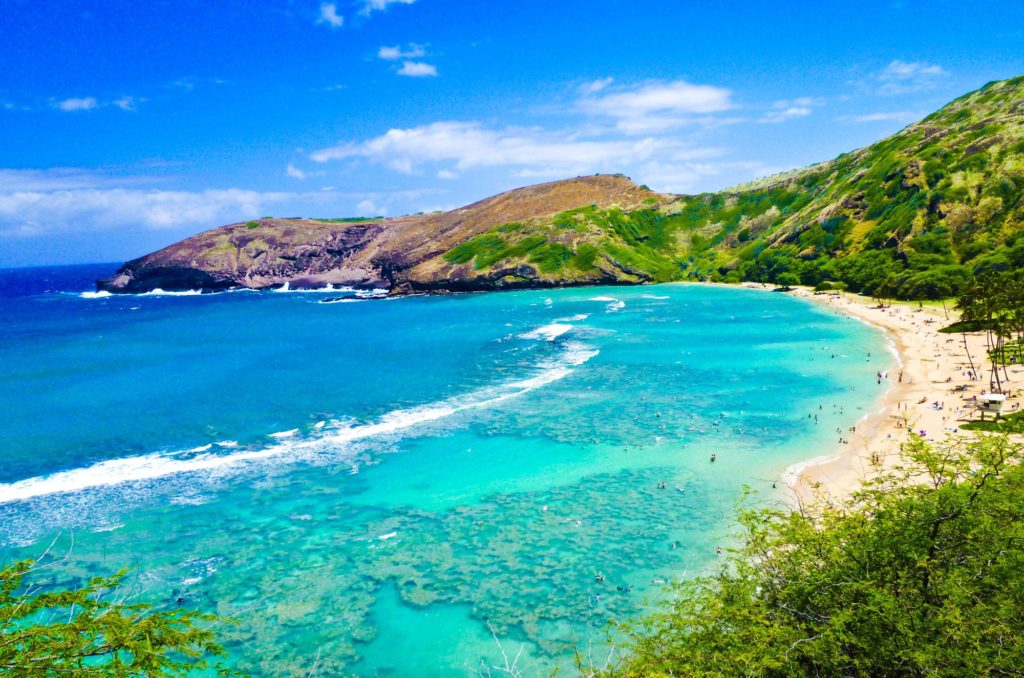
Photo: shutterstock.com
Weather Considerations
When planning your trip to Hawaii, it’s important to consider the weather. You’ll want to look at the average temperatures throughout the year, understand the rainfall patterns, and identify when the dry seasons occur. This information will help you decide on the perfect time for your visit, ensuring you get the most out of your Hawaiian adventure.
Average Temperatures Throughout the Year
Don’t be surprised to find that Hawaii’s average temperatures remain relatively consistent throughout the year, making it a tropical paradise no matter what season you decide to visit. In fact, the average daytime summer temperature at sea level is 85 degrees Fahrenheit (29.4 degrees Celsius) while the average daytime winter temperature is 78 degrees (25.6 degrees Celsius). This minor fluctuation might make your decision on when to visit based more on personal preference than anything else.
The water temperatures also stay pretty steady throughout the year, hovering around 74-80 degrees Fahrenheit (23-27 degrees Celsius), which makes for enjoyable swimming conditions any time you choose to come. The higher elevations can be cooler and see more rainfall, but overall, the consistent warmth of Hawaii allows for nearly endless possibilities for outdoor activities and adventures all year round.
Rainfall Patterns and Dry Seasons
You’ll notice a rhythm to Hawaii’s rainfall, with patterns that may influence your choice of activities rather than the time of year you decide to travel. The islands have two main seasons: the dry season (May to October) and the wet season (November to April). However, don’t let this deter you from visiting during the wet season as showers are usually brief and followed by sunshine. Additionally, there is significant variation in rainfall within each island due to their diverse terrains. For instance, while one side can be experiencing a downpour, it might be sunny just a few miles away!
When planning your visit, consider that rainfall tends to be highest in November and December. But remember these are tropical showers; they’re typically short-lived and often occur overnight when they’re less likely to disrupt your plans. On average, Oahu has the least amount of rain among all islands while Kauai experiences more precipitation throughout the year. Therefore, if you’re looking for sunnier days during the wet season or prefer drier vacations overall, Oahu would be an excellent option for you!