

New Zealand boasts unspoiled scenery extending from its beautiful subtropical forests to glaciers, lakes, beaches, and snow-covered mountains. Natural beauty awaits you wherever you go, ushering you into calm bliss. And when you are not exploring the volcanoes or swimming in the hot springs, you can learn more about the Māori culture, sip wine in intimate wineries, go on long drives on remote roads, and enjoy the delicious foods in the country. All of this sounds like the dream vacation that many people envision. But as nature dictates, the best time to visit New Zealand depends on what you want to do. We look at the different seasons and how they can affect your itinerary:
Climate Overview
When is the best time to go to New Zealand? Before traveling to the land where Hobbiton was filmed, it’s important to consider its weather patterns, as explained below:
1. General Weather Patterns
This country has different climate zones, so what applies to the north will differ from what you find in the south, east, and west. To the north, you can expect a warm subtropical climate with hot summers and mild winters. The rainfall is much heavier than that in the south but less than in the western side of the southern island.
As you head to the south, the temperatures drop, resulting in mildly hot summers followed by cold winters with minimal snowfall and a lot of frost. This region does not experience much rainfall and is known for its heavy winds (much of New Zealand experiences windy conditions, but those in the south can be harsh.)
The mountains have the coldest temperatures and are thus best for adventure-seekers who do not mind being in the thick of things. These mountain chains are also essential to the country’s weather as they block most winds from the west. But since most of these winds still prevail, the west side of the southern part of the island experiences the most rain while the eastern side is quite dry. As such, temperatures, rainfall, winds, and snow depend on where you are on the island, as we will explain in the next section.
2. Weather Pattern Differences by Region
New Zealand has several climatic regions, which results in variations in the best time of year to go to New Zealand. The zones are Northern New Zealand, Central North Island, South-West North Island, Eastern North Island, Northern South Island, Western South Island, Eastern South Island, Inland South Island, Mount Cook, Southern New Zealand, Chatham Islands, and Scott Base. The variation between weather patterns is often seen when comparing the north and southern zones, as explained below.
a. Northern New Zealand
This zone comprises Kaitaia, Whangarei, Auckland, and Tauranga and has a sub-tropical climate pattern. As such, you can expect mild winters followed by warm and humid summers. The seasons are generally as follows:
- Winter: The temperatures range from 12°C to 17°C, which creates an ideal environment for outdoor lovers to still get some sun. This season also experiences more rain than other seasons.
- Summer: The temperatures range from 22°C to 26°C and will rarely go above 30°C. As such, you can still be outside without feeling the effect of the hot sun. Note that summer seasons may have tropical-origin storms that can cause heavy winds and rainfall.
- Autumns and springs: These seasons have temperatures ranging between 17°C to 22°C. They may also be subject to tropical-origin storms from the east.
The low elevation and proximity to the sea in this region create a warm and humid balance punctuated with heavy winds.
b. Central North Island
Most people who have been to New Zealand can attest to its windy conditions. This region offers a balance as it gets sheltered to the south and east, resulting in the following seasons:
- Summers: You can expect warm and dry summers without much wind, with temperatures ranging from 21°C to 26°C. Seldom do they go over 30°C.
- Winters: The conditions in winter can get frosty, with temperatures falling between 10°C to 14°C. However, most days are clear and calm.
- Springs and autumns: These seasons feature temperatures from 15°C to 20°C and frequent breezes.
So, if you have any stops in Hamilton, Taupo, and Rotorua, you should enjoy this north-south balance.
c. Southern New Zealand
People traveling to Dunedin, Invercargill, and other southern parts should brace themselves for the weather in these parts. Expect the following:
- Winters: While most regions in New Zealand have mild winters, the south has frosty winters with minimal snowfall. Daytime maximum temperatures average 8°C to 12°C. Interestingly, the winters have less rainfall than the north and central regions.
- Summer: The weather in the summer is quite good, with temperatures ranging from 16°C to 23°C. However, due to low coastal clouds, the sunlight exposure is less than in the north.
- Autumns and springs: These seasons are the in-betweens and often feature cool coastal breezes with temperatures ranging between 12°C to 18°C.
This zone would be an excellent region if you are up for cold winter sports.
Temperature and Weather Conditions

Photo: shutterstock.com
While weather conditions differ per climate zone, the variations are not usually extreme. As such, it’s easy to figure out the best time to visit New Zealand by considering the mean weather conditions, as follows:
- Seasons: All zones have different seasons, during which the rainfall, temperature, snowfall, sunshine hours, and winds vary. Summers are known for their high temperatures and long daylight hours; winters are known for their low temperatures and short daylight hours, while springs and autumns are intermediaries of the two.
- Rainfall: The different zones receive annual rainfall ranging from 600 mm to 1600 mm. Northern and central regions record more downpours than the southern parts. Moreover, while southern regions have colder winters, they receive much less rainfall during this period than their northern counterparts.
- Temperatures: Northern areas have higher annual temperatures, which range between 15°C and 20°C while southern regions have lower ranges that fall between 10°C and 15°C. Generally, June to August record the lowest temperatures, while January to March have the highest. Altitude greatly influences temperature, such that the higher you go, the cooler it becomes.
- Sunshine: Being outdoors is important to most New Zealand travelers. But does the sun favor this? On average, most regions get at least 2,000 sunshine hours a year. Southern regions average about 1,600 hours due to the low coastal clouds.
- Snow: Should you bring your snow gear? It depends on where you’re going. Coastal areas in the north and west of the south rarely get snow. But eastern and southern parts may get minimal snowfall in the winter. However, if you are heading to the mountains, you should expect a lot of snow.
Frost is also common in New Zealand but usually occurs at night.
Summer (December to February)
Most people love summer travel as it allows them to enjoy longer daylight hours and warm weather that make it easy to get through even the most extensive travel plans. But what kind of weather should you expect? Is this the best time to visit New Zealand? Here are the statistics:
- Temperature: Most places range between 18°C and 24°C. Inland regions and the north tend to have much higher ranges than the rest of the country.
- Sunshine: If you are traveling to this island for the sun, you will not be disappointed. Areas like Nelson and Marlborough boast as many as 2,300 annual sunlight hours, with long summer days.
- Rain: While you might expect few to no showers, New Zealand’s weather favors rainfall even during the summer. Luckily, the showers are not too heavy. Like with temperature, some areas have more rainfall than others, e.g., the west gets more showers than the north.
The wind is constant even in the summer, especially in the coastal areas.
So, what can you do in this weather? Pretty much everything! Consider the activities below:
- Water activities like snorkeling, whale watching, and diving,
- Beach days,
- Hiking the forests and mountains,
- City tours,
- Wine tasting, and
- Boating and rafting.
Summer is the best time to visit New Zealand for anyone who wants to enjoy their itinerary when bathed in warm sun rays and humidity.
Autumn (March to May)
While summers in New Zealand are not extremely hot, some people prefer visiting in Autumn when the weather is much cooler. So, what can you expect during this season?
- Temperature: The dip in temperatures is gradual instead of drastic. As such, March is often warm, with averages of 15°C to 24°C. They keep dipping as the months go by, resulting in an average of 17°C to 21°C for the three months. You can expect the southern areas to have lower ranges.
- Rainfall: During this time, rainfall increases in most parts of the country, especially the west. But most days are dry, with most regions boasting about ten days of showers each month.
- Sunshine: Most days are warm, especially in March, followed by cool evenings. So, while you may not get the average sunshine hours in the summer, you can still enjoy time outdoors.
Autumn balances winter and summer, culminating in weather that’s perfect for the following:
- Beach days – March is especially conducive,
- Hiking and cycling,
- Scenic drives,
- Fishing,
- Attending festivals, and
- Visiting national parks.
Autumn colors are one of a kind. If you want to be outdoors or take amazing pictures, consider this the best time to visit New Zealand.
Winter (June to August)
Weather conditions in winter often dissuade people from traveling. But should you avoid the snow in New Zealand? Winter here is quite varied, as it depends on the region. While people in the south dress in wool, those in the north barely need to cover up much. Here’s what you can expect in this season:
- Temperature: Most regions average 8˚C to 17˚C, with southern regions experiencing lower ranges. For example, while Auckland might experience ranges of 8˚C to 16˚C, Queenstown will be at 0˚C to 8˚C.
- Rainfall: The northern and central parts of New Zealand get more rainfall in the winter than summer. But while the southern parts are cold, they experience the least rainfall in the winter.
- Sunshine: On average, most regions expect 9 to 10 hours of sunshine. They are fewer in the south and more in the north.
Like with all seasons, you should expect heavy winds. As such, winter usually comes with the challenges of shorter days, closed attractions, the need to wear heavy clothing, and reduced outdoor activities. Even so, there is a lot to do on this island when it snows, including the following:
- Stargazing in the south,
- Snow adventures, e.g., riding snowmobiles, skiing, taking the gondola up the mountains,
- Watching the whale migration,
- Going paragliding or ziplining across snow-covered areas,
- Taking hikes, and
- Bathing in hot pools.
If you like, you can head to the north, where the temperatures are much more pleasant.
Spring (September to November)
Autumn and spring have much in common, and you can expect similar experiences. Here’s what’s in store for spring travelers:
- Temperature: Most places average 16˚C to 21˚C, with the northern and inland areas having higher ranges than the south and west.
- Rainfall: A lot of rain falls in September, especially in the northern parts. The downpours reduce with each month.
- Sunshine: You can expect at least ten hours of sun in all the regions.
With the weather becoming warmer and the flowers blooming, here are some of the things you can enjoy:
- Water activities like kayaking, rafting, and fishing,
- Hiking,
- Exploring waterfalls,
- Interacting with wildlife,
- Going on national park visits, and
- Enjoying local cuisines.
The weather in this season is quite balanced, making it the best time to visit New Zealand for someone who wants the best of both worlds (summer and winter).
Crowd Levels
New Zealand receives most of its visitors in summer and experiences its lowest traffic in winter, with spring and autumn boasting intermediary figures. As such, anyone who wants a secluded experience and lower travel rates can get this in the winter. But someone who wants a thriving environment with excellent weather can consider the summer or the shoulder seasons (spring and autumn).
Special Events and Festivals
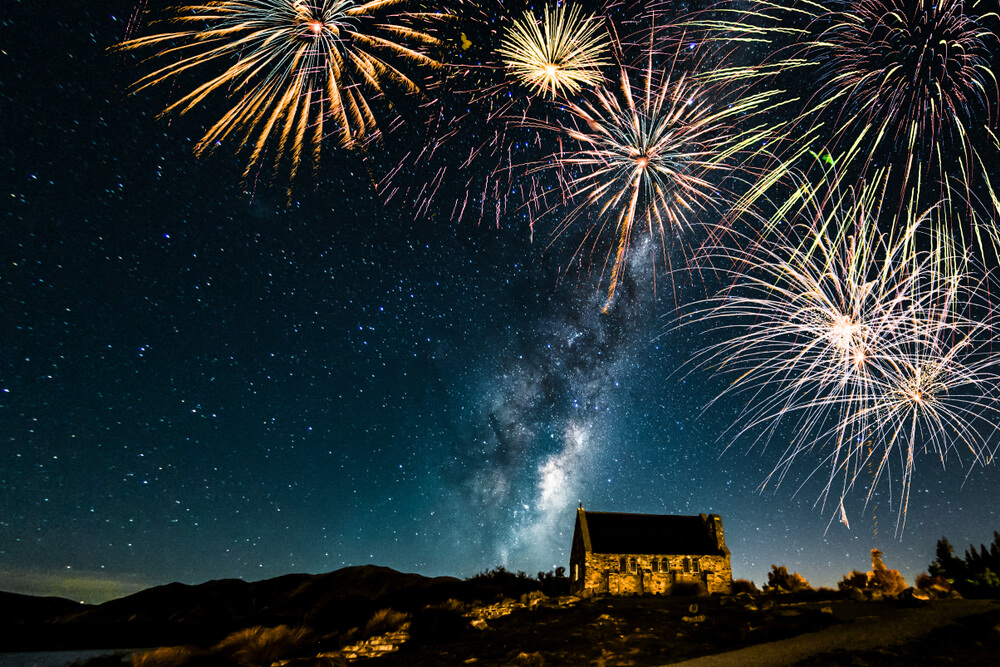
Photo: shutterstock.com
As you choose the best month to visit New Zealand, it’s important to consider festivals that you can attend. These help you learn more about the country and its people and can enhance your travel experience.
Consider the following events:
- Summer: The Auckland Folk Festival, the Festival of Lights, the Seafood Festival, and Waitangi Day.
- Autumn: The New Zealand International Arts Festival, the Day of the Soldier, and the Rotorua Marathon.
- Winter: The birthday of Queen Elizabeth II and Fashion Week.
- Spring: The Auckland International Marathon, the Taranaki Festival of New Plymouth, and the Day of the Gold Seekers.
Each region has special events, which add to the variety and give you a glimpse of New Zealand culture.
Travel Documents
Once you have determined the best time to visit New Zealand, you will need to get the following documentation:
- A passport: You must have a valid passport in good condition and with at least one blank visa page. The validity of the passport should exceed three months past your departure date from New Zealand.
- A visa: All travelers from the US must have relevant visas. Tourists should get the NZeTA, while other travelers should get visas that align with their travel reasons, e.g., studying.
Travel Visa Pro processes expedited visas and passports for New Zealand-bound travelers and can get you the proper documents in just days.
When is the best time to go to New Zealand? The answer is not standard, as it depends on your preferences regarding weather conditions per region and season, crowd levels, and events you want to attend. To find what works for you, consider all these factors.

