

Conchas, burritos, enchiladas, and churros are some of the authentic Mexican flavors and aromas that attract visitors from all over the world. In fact, for many people, a trip to Mexico is not complete without trying these and more foods. But away from culinary experiences, Mexico has beautiful beaches, awe-inspiring natural landscapes, breathtaking colonial cities and towns, unique souvenirs, ancient Mayan ruins, and tens of UNESCO World Heritage sites. It thus makes sense that it would rank among the top tourist destinations.
But is it safe to travel to Mexico? Due to previous travel advisories against this destination, many tourists often need clarification on their safety. We look at the current safety status to help you understand if traveling to Mexico is a good idea and how to stay safe if you choose to go forward with your travel plans.
Current Safety Situation
Thousands of Americans board cruises to Mexico yearly, eager to enjoy its beautiful beaches, unique culture, and tantalizing foods. They come back with intriguing tales about the UNESCO World Heritage sites, the fantastic hospitality in the resorts, and the varied watersports. But is Mexico safe for tourists? Let’s consider its main crimes and their prevalence rates:
- Homicide: The good news is that homicide rates have been reducing over the years. For example, the February 2019 average rate was 32.5, following 3,201 deaths. This number has since fallen, such that in January 2024, the rate was 22.0 due to 2,491 deaths. While this figure has dropped, it’s important to note that it is much higher than that in most countries.
- Kidnapping: Mexico has a high kidnapping rate, which affects not only residents but also tourists. Like homicide, kidnapping cases have reduced over the years. For example, January 2019 had 185 such cases, indicating a 1.7 rate, yet December 2023 had only 71 cases, resulting in a 0.6 rate.
- Extortion: Sometimes, tourists get accosted by criminals who force them to use their credit cards to withdraw money at ATMs. Extortion is also common among residents who are often forced to pay “protection money” to gangs. Unfortunately, there has not been much change over the years. For context, there were 719 cases in January 2019, which was a 6.6 rate; in January 2024, there were 904 such cases, which is an 8 rate.
- Car robberies: These cases can be violent or non-violent. The violent cases have reduced from a whopping 4,737 recorded in February 2019, a 48.1 rate, to a 26.3 rate in December 2023 after 2,982 such cases. Non-violent car robberies have also reduced from 9,077 in January 2019, which was at 83.3, to 4,884 in January 2024, which was 43.1.
Additional crimes include pickpocketing, drugging, and mugging. So, how dangerous is Mexico? Per 2024 rankings, this country ranks 105th out of 146 in the safety index. There has been considerable improvement in its safety, but it still has a long way to go.
Safety in Different Regions
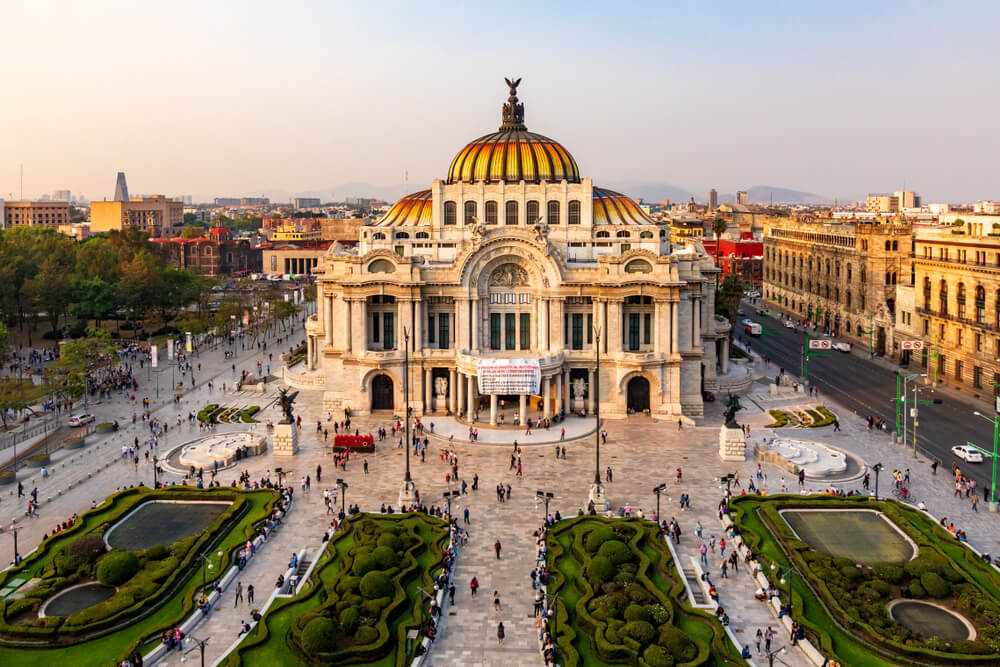
Photo: shutterstock.com
Many tourists travel to Mexico without incidents despite the statistics above. So, is Mexico safe? The country has different safety rankings per state. For example, Morelos recorded a 75.8 homicide rate against Nayarit’s 11.6 rate. In the same way, Colima had a 22.9 extortion rate compared to Durango’s 1.8. As such, the national average only gives a partial picture of all the states, and you must thus research the individual places you want to visit. We’ve explained more in the travel advisories below.
Travel Advisory Updates
Given the high crime rates in Mexico, countries often issue travel advisories to their travelers regarding the states they can visit. Per the US Department of State, here are the states you should and should not visit based on their safety rankings:
- Extremely dangerous (do not travel): Colima, Guerrero, Michoacan, Sinaloa, Tamaulipas, and Zacatecas.
- Very dangerous (reconsider travel): Baja California, Chihuahua, Durango, Guanajuato, Jalisco, Morelos, and Sonora.
- Moderately dangerous (travel with increased caution): Aguascalientes, Baja California Sur, Chiapas, Coahuila, Hidalgo, Mexico City, Mexico, Nayarit, Nuevo Leon, Oaxaca, Puebla, Queretaro, Quintana Roo, San Luis Potosi, Tabasco, Veracruz, and Tlaxcala.
- Slightly dangerous (travel with normal precautions): Campeche and Yucatan.
The US Department of State often updates its advisories based on current crime statistics to help you plan a safe trip.
Local Safety Precautions
Safety when traveling starts with you. Here are some things you can do to avoid being a crime victim:
- Only travel to safe states and avoid the dangerous ones,
- Do not use taxis off the street and instead use cab-hailing apps or hotel taxis,
- Do not drive or walk alone at night,
- Stick to tourist zones as they have more security measures,
- Keep a low profile and avoid flashing cash or expensive accessories in public,
- Share your location with your loved ones at all times,
- Do not leave your items unguarded at the beach or public spaces,
- Keep up with travel advisories, and
- Always have extra cash in case you need to leave in an emergency.
Also, if touring public attractions, try not to stick out like a sore thumb, e.g., in your mannerisms.
Health and Medical Considerations
Mexico is currently dealing with outbreaks of the following diseases: Dengue, Rocky Mountain Spotted Fever, and Salmonella Newport, thus necessitating additional health precautions by travelers. Moreover, the CDC recommends that you get the following vaccinations before leaving the US:
- COVID-19,
- Hepatitis A,
- Hepatitis B,
- Malaria,
- Measles,
- Rabies, and
- Typhoid.
Even after getting vaccinated, it’s advisable to take health measures such as practicing good hygiene, eating and drinking safe foods, wearing protective clothes outdoors, and staying away from wild animals.
Travel Documents

Photo: shutterstock.com
A key consideration when traveling to any country is to have your travel documents ready. It helps you enter and exit without much hassle, which is advantageous in emergencies. So, what should you have?
1. A valid identification document: Your ID depends on how you enter Mexico. Consider the options below:
a) WHTI-compliant documents: Even if you do not have a passport book, you can travel to Mexico using the following travel modes:
- By car: People driving in and out of Mexico don’t need passport books.
- Closed-loop cruises: These ships start and stop their journeys at US ports and often don’t require passport books.
In these cases, you can present the following documents at the border:
- Passport cards,
- Trusted traveler cards,
- Military IDs for people on official duty, and
- Merchant mariner IDs for travelers on maritime business.
Minors can use their citizenship, naturalization, or birth certificates.
b) Valid passports: Some transport modes necessitate passport books for US citizens. They are as follows:
- Standard cruises: These start or stop at foreign ports and thus require passengers to have valid passport books.
- Flights: International air travel guidelines require all passengers, including infants, to have valid passport books.
In these cases, your passport must meet the conditions below:
- It must be valid at the time of entry and exit,
- It must have at least one blank visa page, and
- It must be in good condition.
Moreover, the passport should be valid, i.e., not invalidated by the US passport office. For example, a passport reported lost or stolen is invalid for travel.
2. A visa: Tourists can enter Mexico without a visa for up to 180 days. Entry is contingent on proving you have a place to stay, enough funds to cover your travel, and a return or onward ticket. People traveling for other reasons, e.g., work, must get the correct visa before leaving the US. Immigration officers can deny entry if you fail to justify your travel purpose sufficiently.
Travel Visa Pro handles expedited visas and passports for travelers to Mexico, enabling you to get all the necessary documents within days. We offer consultation, document review, and concierge services if you need additional assistance.
Additional Travel Documents
Besides passports and visas, it’s important to consider other documents that may be essential for your travel, as follows:
- Travel insurance: Even when following safety measures, you can still face risks such as baggage loss and illnesses. Getting a cover helps you meet these and other unforeseen costs, reducing your travel expenses and enhancing your overall experience.
- Apostille: Many people travel to Mexico to get married. If you wish to do this or engage in any official business, it’s a good idea to get an apostille that will verify the integrity of your documents.
- Translation: Official business, like marriage, necessitates translated documents, as Mexico uses Spanish as its official language.
TVP is here to sort out all your travel documentation, regardless of your US location. Simply fill out an order form on our website, follow the instructions, and we will have your documents ready in days!
Crisis Preparedness
Preparing for unexpected situations such as civil unrest and hurricanes is important even when traveling to safe parts of Mexico. How can you do this?
- Research your destination carefully- understand the risks that come with traveling to that area,
- Develop a contingency plan – come up with ways to handle each of the risks that come with your travel plans, e.g., how to evacuate in a tropical storm,
- Follow the rules when engaging in watersports, e.g., stay out of the water if a storm alert has been issued,
- Share your location with loved ones – this can help them track you if anything goes wrong,
- Follow travel advisories and updates about Mexico from the US Department of State – you can also enroll in the STEP program for real-time updates,
- Ensure you have gotten all your routine vaccinations – if you’re traveling to rural areas in Mexico, talk to your doctor about additional health measures,
- Have additional cash or cards to cater to emergencies – do not travel without financial wiggle room, and
- Carry additional IDs to use if you lose your passport and need to get out of the country – your driver’s license is a good choice.
Also, get travel insurance, which helps you cover unexpected costs in such situations.
Tourist-Friendly Areas
The diversity in Mexico also shows in its tourist destinations. As such, you have many options and don’t need to limit yourself much, even if you must avoid some states. Below are the safest places to visit in this country:
- Cancun: This dreamy coastal city ranks high among the best places to visit in Mexico. It prides itself on luxurious resorts, beautiful cities, amazing water adventures, and vibrant restaurants and bars.
- Tulum: Also in Quintana Roo is this beautiful region south of the Yucatan Peninsula. Not only do you get perfect beach days on white sandy beaches, but the views of the ruins are also incredible.
- Cozumel: The waters in this part of Mexico are ideal for diving. But even when you are not exploring marine life, there is a lot to do in this destination, from shopping to culinary tours to long beach days.
- Riviera Maya: The long white sandy stretches against beautiful resorts create beautiful picture backdrops. But aside from the beauty, the coral reefs are also undisturbed, making them perfect for underwater exploration under the warm sun.
- Playa del Carmen: This famous destination is the best spot for anyone looking for a lively atmosphere. It has everything from beautiful beaches to fantastic dining and shopping experiences to thriving bars and amazing day trips.
Mexico City and Oaxaca are also fantastic tourist destinations where you can let loose without worrying too much about safety considerations.
Solo Travel Considerations
Many people have discovered the wonders of solo travel, from increased confidence to better travel itineraries to improved social interactions. But is Mexico safe to visit alone? The good news is that this country offers many opportunities for solo travel and is an amazing place to set your sights on, provided you take the measures below:
- Choose safe accommodation with good ratings, secure premises, and in a good area. Additionally, always lock your hotel room after you enter.
- Keep watch of your drinks and food when eating out, and do not leave them unattended. Even watch as the bartender pours out your drink.
- Dress in a way that does not capture attention – keep your clothes and accessories simple and avoid using your phone too much in public.
- Use ATMs in malls or other safe areas and only withdraw a small amount at a time. Also, do not walk around with all your cards.
- Do not use public transportation after dark; instead, opt for trusted taxi-hailing services, e.g., the one offered by your hotel.
- Do not walk alone at night or in remote areas, especially those outside tourist regions.
- Share your location with your loved ones so they can always know how to track you.
All other safety recommendations that apply to other travelers will also apply to you.
Emergency Contacts and Resources
It’s important to know who you should talk to in an emergency. However, there is no unified system for emergency numbers in Mexico, and you must instead check with the state you will visit. But generally, you can use the following contacts:
- Police: 066,
- Fire: 068,
- Red Cross: 065,
- Federal Highway Police: 074,
- Tourist Security: 078.
How about consulates? Like other emergency contacts, consulate phone numbers differ per state. As such, you should look up the state you will visit and get the line you can call in an emergency. For example, the Tijuana line is (664) 977-2000.
So, is it safe to travel to Mexico? Safety statistics vary per state, with some states boasting high crime rates while others are mostly safe. It is thus important to understand the crime rates in the city you want to visit and follow the US travel advisories. Moreover, even in a safe city, it’s always advisable to follow standard safety measures and have a contingency plan to return to the US in emergencies.

